 Chuckanut Exterior
 Edison's Exterior Challenges Are Different From Inland Homes
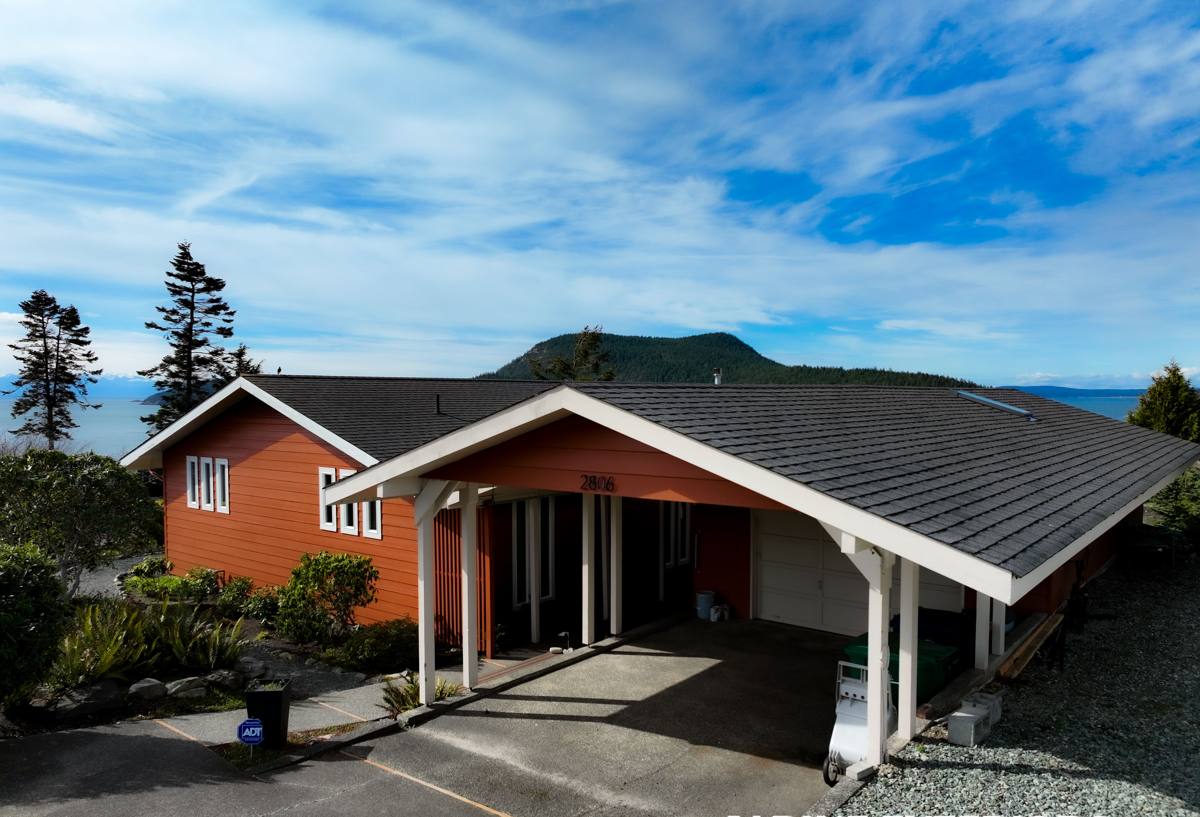
Edison sits close enough to open water and tidal flats that homes here deal with a different set of stresses than houses fifteen or twenty miles inland. The combination of salt-laden air, wind-driven rain, and long stretches of shade and dampness through fall, winter, and spring means exterior materials get tested harder and more often. A siding product, roof system, or window that performs fine in a drier, more sheltered part of the county can fail early here if it wasn't chosen or installed with this specific exposure in mind.
We work throughout the Chuckanut area, and Edison is part of that territory. The homes we see here span a mix of ages and construction types, but the failure patterns repeat: siding that's absorbed moisture at the seams, roofing that's worn faster on the north- and west-facing slopes, window frames that have swollen or gone soft at the sill, and decks that never quite dry out between rain events. None of that is unusual for the area. It's just what saltwater proximity and a long wet season do over time.
Salt Air and Moisture: The Quiet Long-Term Problem
Salt air doesn't announce itself the way a storm does. It works slowly, settling into porous materials, accelerating corrosion on fasteners and flashing, and breaking down finishes that weren't rated for coastal exposure. On siding, that shows up as premature paint failure, swelling at butt joints, and soft spots where moisture has been wicking in for years before anyone notices. On roofing, it can mean faster granule loss on asphalt shingles and quicker corrosion on exposed metal components. On windows, it often shows up first in the hardware — locks and hinges that stick or corrode well before the glass or frame shows visible wear.
The practical takeaway for Edison homeowners is that material choice and detailing matter more here than they would somewhere drier. Fasteners, flashing, and finishes all need to be selected with coastal exposure in mind, not just general Pacific Northwest weather.
What Driving Rain Adds to the Equation
Wind-driven rain doesn't just fall — it gets pushed sideways into laps, seams, and trim joints that would stay dry in a calm rain. That's a big part of why we see moisture problems concentrated at specific weak points: unsealed siding butt joints, undersized roof overhangs, window flashing that wasn't lapped correctly, and deck ledger connections where water collects against the house. A crew that hasn't worked this specific stretch of coastline can miss those details because they're used to installing for less aggressive weather.
The Moss Problem: Longer Season, More Surfaces Affected
Shade, dampness, and mild temperatures are a near-perfect combination for moss growth, and Edison gets a long stretch of exactly those conditions. Moss on a roof isn't just cosmetic — it holds moisture against the surface, lifts shingle edges, and accelerates the deterioration of both asphalt and wood roofing. Moss and algae staining on siding does something similar at a smaller scale, holding dampness against the surface and finish over time. Decks in shaded yards deal with the same issue underfoot, where a slick, damp surface is also a safety concern, not just an appearance one.
Moss isn't a sign that something was installed wrong — it's a fact of life in this climate. But roof design, siding material, and deck maintenance schedules should all account for it rather than ignore it.
Siding: Why We Standardized on James Hardie
We install James Hardie fiber cement siding exclusively. We don't install vinyl, LP SmartSide, or other engineered wood or composite products, and that's a deliberate call based on what holds up in this kind of coastal, wet climate over the long haul.
Vinyl siding can warp and become brittle with temperature swings and UV exposure over the years, and its seams and panel laps are more forgiving of installation shortcuts in ways that show up later as gaps and water intrusion points — a real liability when wind-driven rain is part of the picture. Engineered wood products use wood fiber as their base material, which means they're inherently more vulnerable to moisture absorption at cut edges and fastener penetrations than a cement-based product, even with factory treatments. In a climate where moisture exposure is nearly constant for half the year, that's a meaningful long-term risk.
James Hardie fiber cement is non-combustible, doesn't rot or swell the way wood-based products can, and holds its factory-applied ColorPlus finish far longer than field-painted alternatives — which matters when repainting siding on a home exposed to salt air is neither cheap nor something you want to do often. Hardie's HZ5 product line is specifically engineered for harsher climate zones, which fits the exposure profile of homes near open water. The warranty is transferable, which also helps resale value down the line.
None of this means other siding products are junk — they have real advantages in cost and, for some products, installation speed. But for the specific combination of salt air, driving rain, and heavy moss season that Edison homes deal with, we think fiber cement is the more honest long-term choice, and it's the only product we put our name behind.
What Correct Siding Installation Looks Like Here
- Proper rain-screen or drainage gap behind the siding so moisture that gets past the surface can drain and dry
- Correctly lapped and sealed flashing at every window, door, and penetration
- Fastener spacing and type matched to Hardie's coastal exposure specifications
- Caulked and primed cut edges, since exposed fiber cement edges are the most vulnerable point on the installation
- Attention to butt joints and corners, which are where wind-driven rain problems start
Roofing: Built for Long Wet Seasons, Not Just Occasional Storms
A roof in Edison needs to handle sustained wet weather, not just the occasional heavy storm. That means proper underlayment, correctly detailed flashing at valleys and penetrations, and enough attic or roof ventilation to let moisture escape rather than condensing against the underside of the deck. Overhang design matters too — deeper overhangs help keep wind-driven rain off the wall assembly below, which protects both the roofing and the siding.
Moss-resistant roofing options and zinc or copper strips can help slow regrowth, but there's no substitute for periodic cleaning and inspection on a roof that sits in this kind of shade and moisture pattern.
Windows: Where Coastal Exposure Shows Up First
Window failures near the water tend to show up at the frame and hardware before the glass itself becomes a visible problem. Correct flashing integration with the surrounding wall assembly is critical — a window that's air- and water-tight on paper can still leak if the flashing wasn't properly integrated with the house wrap and siding around it. We pay close attention to that integration point specifically because it's the most common source of hidden moisture problems we find during replacement work.
Decks: Built to Actually Dry Out
A deck in a shaded, damp yard needs airflow underneath and around it as much as it needs durable decking material on top. Ledger board connections need careful flashing since that's where the deck attaches directly to the house and where water tends to collect. Proper spacing between boards, adequate joist ventilation, and material choices suited to a long wet season all factor into how well a deck holds up and how much moss and slickness become a recurring maintenance issue.
Cost Factors to Expect for Exterior Work in This Area
| Project | What Drives Cost Here | Coastal/Climate Consideration |
|---|---|---|
| Siding replacement | Home size, existing wall condition, trim complexity | Rain-screen detailing and HZ5-rated material add labor but reduce long-term moisture risk |
| Roofing replacement | Roof pitch, layers to remove, decking condition underneath | Ventilation and moss-resistant options are worth the added cost in this climate |
| Window replacement | Number of openings, frame material, whether flashing needs rework | Flashing integration is the line item that protects the rest of the wall assembly |
| Deck rebuild | Square footage, decking material, structural condition | Ledger flashing and underdeck ventilation reduce moss and rot in shaded yards |
Why a Local Crew Matters
A crew that works this stretch of coastline regularly knows where the failure points actually are, because they've opened up enough walls, roofs, and decks in this exact climate to see the pattern repeat. That's different from general regional experience. Detailing for salt air and wind-driven rain isn't something you get right by following a generic installation manual — it comes from having seen what goes wrong when those details get skipped on a home in conditions like Edison's.
It also means faster response when something needs attention, familiarity with how local permitting and inspections work, and a crew that isn't guessing about how a particular product line will hold up here because they've already installed it on homes nearby.
Signs Your Exterior Needs a Closer Look
- Soft or spongy spots when you press on siding, especially near the bottom courses or trim
- Paint that's peeling, bubbling, or failing faster than expected on any one wall
- Moss buildup on the roof, especially on shaded slopes or near valleys
- Windows that stick, feel drafty, or show discoloration at the sill or frame
- A deck that feels slick or stays damp long after the rest of the yard has dried
- Any staining or discoloration on interior walls or ceilings near exterior walls
If you're noticing any of that on a home in Edison, or you're just planning ahead for a siding, roofing, window, or deck project, we're happy to take a look and give you an honest read on what's going on and what it would take to fix it. Estimates are free and there's no pressure attached — reach out through the form below.