 Chuckanut Exterior
 Storm Damage Roofing in Edison: What Local Homes Are Up Against
Edison sits close enough to the water that its roofs live a different life than a roof forty miles inland. Salt-laden air moves in off the bay, driving rain comes in sideways during winter systems, and the shoulder seasons bring long stretches of damp, shaded weather that keeps moss and algae active almost year-round. None of that is dramatic on its own. It's the accumulation that causes problems — fasteners that corrode a little faster, shingle granules that wear a little thinner, and moss mats that hold moisture against the roof deck long after a storm has passed.
When a windstorm or heavy rain event does real damage, homeowners in the Edison area usually aren't dealing with a roof that failed all at once. They're dealing with a roof that was already weathered by salt air and moss, and the storm simply found the weak point first. That's why storm damage repair here has to start with an honest look at the whole roof, not just the spot that's obviously leaking.
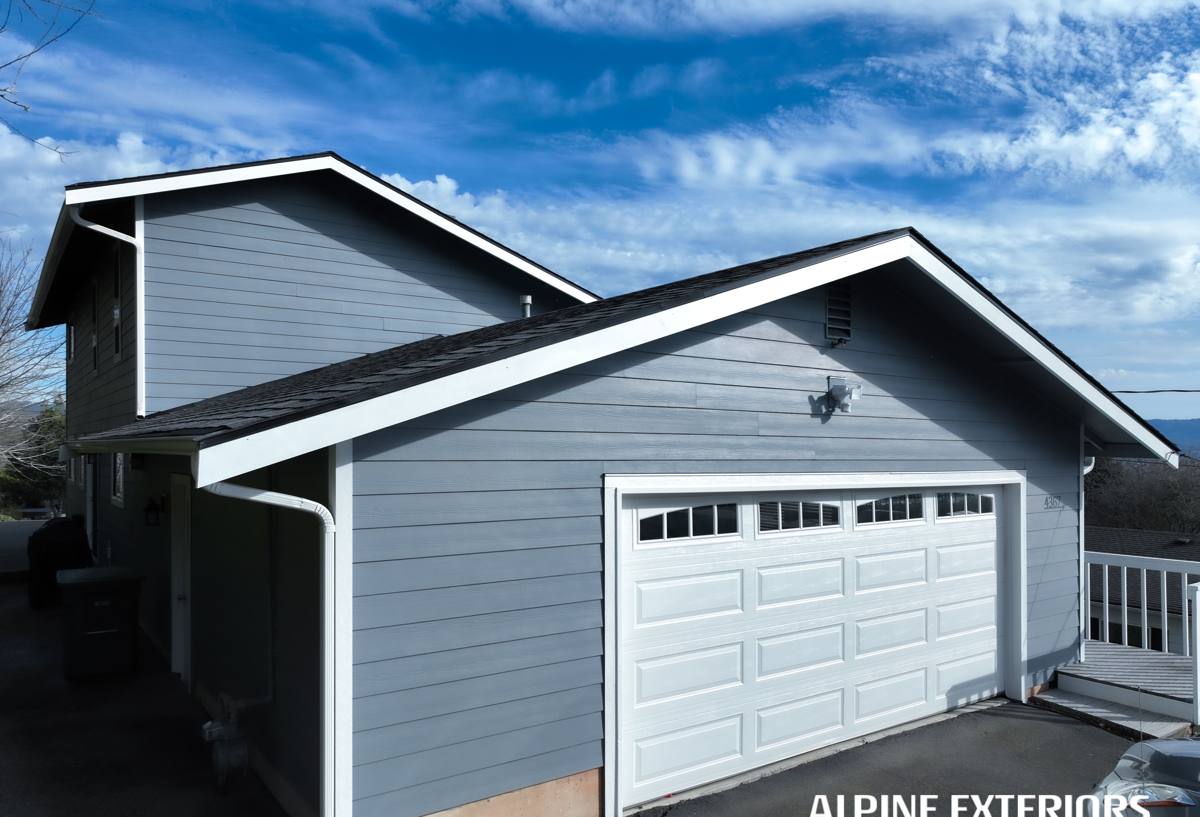
How Storm Damage Actually Shows Up on an Edison Roof
Storm damage rarely announces itself with a hole in the roof. More often it shows up as a handful of smaller issues that, left alone, turn into a real leak within a season or two.
Wind Damage
Gusts off the water can lift shingle tabs, crease them, or tear them loose entirely, especially on roof edges and ridges where wind uplift is strongest. A shingle doesn't have to blow off completely to fail — a lifted or cracked tab that reseals crooked is often worse than one that's missing, because it channels water instead of shedding it.
Wind-Driven Rain and Flashing Failure
Sideways rain finds every gap in flashing around chimneys, skylights, vents, and roof-to-wall transitions. Flashing that was fine in calm weather can leak the moment rain starts hitting it at an angle, which is exactly what happens in a Whatcom County storm system.
Moss and Debris Damage
Long moss season means moss mats and organic debris are often already sitting in valleys and along the eaves before a storm hits. Heavy rain turns that debris into a dam, backing water up under shingles instead of letting it run off. A storm doesn't have to cause the damage directly — it just has to overwhelm a roof that moss had already compromised.
Gutter and Edge Damage
Wind can tear gutters loose or pack them with debris, and once gutters stop draining, water backs up under the drip edge and starts working on the fascia and roof sheathing from below.
What a Correct Storm Damage Repair Actually Involves
A storm repair that's done right addresses the cause, not just the symptom. That means a few things have to happen every time, regardless of how small the damage looks.
- A full-roof inspection, not just a look at the reported leak — storm forces rarely damage only one spot
- Checking the roof deck itself for soft spots or moisture intrusion before any new material goes down
- Matching shingle type, color, and exposure as closely as possible so the repair doesn't stand out or shed water differently than the surrounding roof
- Replacing or resealing flashing at every penetration near the damaged area, not just patching the shingles around it
- Clearing moss and debris from valleys and gutters as part of the repair, since leaving it defeats the point of the fix
- Checking attic ventilation and insulation near the repair area for signs the leak has already caused hidden moisture damage
Skipping any of these steps is how a "repaired" roof ends up leaking again in the next storm. It's also the most common reason storm repairs done in a rush don't hold up.
Our Process, From Call to Completed Repair
- Initial call and scheduling. We ask what you're seeing — water stains, missing shingles, debris in the yard — and get a realistic sense of urgency before we show up.
- On-site inspection. We walk the full roof, not just the damaged section, and check the attic where accessible. We'll show you what we find and explain it in plain terms.
- Written scope and price range. You get a clear explanation of what needs to happen and why, before any work starts.
- Repair work. Matching materials, correct flashing, and proper sealing — done to hold up through the next storm, not just pass a glance from the ground.
- Cleanup and final walkthrough. We clear debris, check gutters and downspouts are draining, and walk the repair with you before we call it done.
Repair vs. Replace: How We Help You Decide
Not every storm-damaged roof needs full replacement, and not every roof that looks fine from the ground is actually a good repair candidate. The right call depends on the roof's age, how widespread the damage is, and what condition the rest of the roofing system is in.
| Factor | Favors Repair | Favors Replacement |
|---|---|---|
| Roof age | Under 10-12 years, or recently replaced | Nearing or past typical shingle lifespan |
| Extent of damage | Isolated to one section or slope | Spread across multiple slopes or the whole roof |
| Moss and algae history | Minor, recently maintained | Heavy, long-term moss with granule loss underneath |
| Deck condition | Solid, no soft spots found | Soft decking or signs of prior hidden leaks |
| Material availability | Matching shingles still available | Discontinued product, visible mismatch likely |
We'll always tell you honestly which side of that table your roof falls on. A repair that's likely to need another repair in a year isn't a good use of your money, and we'd rather say so upfront than let a small job turn into a pattern of return visits.
Why a Crew That Already Works Edison Matters
Roofing crews that mostly work inland don't always account for how much faster salt air corrodes fasteners and flashing, or how aggressively moss grows in the shaded, damp pockets common along this stretch of coastline. A crew that's used to Edison-area conditions knows to spec corrosion-resistant fasteners as standard, knows which roof orientations tend to hold moss longest, and knows that a flashing detail that's "good enough" forty miles inland may not hold up here.
There's also a practical side to local response. After a regional storm, roofing crews get busy fast, and homeowners further from a contractor's usual service area often end up waiting longest. A crew that already routes through Edison and the surrounding Chuckanut area can typically get eyes on your roof sooner, which matters when a temporary tarp or a small leak is between you and real interior damage.
Insurance and Storm Claims: What Homeowners Should Know
Many storm repairs are covered in whole or in part by homeowners insurance, but coverage depends on your specific policy and the cause of damage — that's between you and your insurer, and we won't promise an outcome we can't guarantee. What we can do is document damage clearly with photos and a written scope, which gives you something solid to bring to an adjuster. If you're not sure whether damage is worth filing a claim over, an inspection first is usually the better move than calling your insurer before you know what you're dealing with.
Protecting Your Edison Roof Between Storms
A lot of storm damage is made worse by conditions that build up quietly between storms. A few habits go a long way in this climate:
- Clear moss from roof surfaces before it mats and holds moisture against shingles
- Keep gutters and downspouts clear so wind-driven rain has somewhere to go
- Trim back branches that overhang the roof — they drop debris and give wind something to whip against the surface
- After any major windstorm, do a visual check from the ground for lifted shingles, displaced flashing, or debris in valleys
- Have the roof inspected every couple of years even without an obvious problem, since salt air and moss damage often start below the surface
None of these prevent every storm problem, but they reduce how much a given storm can do to a roof that's already being maintained.
Get an Honest Look at Your Roof
If a recent storm has left you with missing shingles, a new leak, or just some uncertainty about what shape your roof is really in, we're glad to come take a look. The estimate is free, there's no pressure attached to it, and you'll get a straight answer about whether you're looking at a repair or something bigger — just fill out the form below to get started.