 Chuckanut Exterior
 Exterior Work Built for the Samish Stretch of Chuckanut
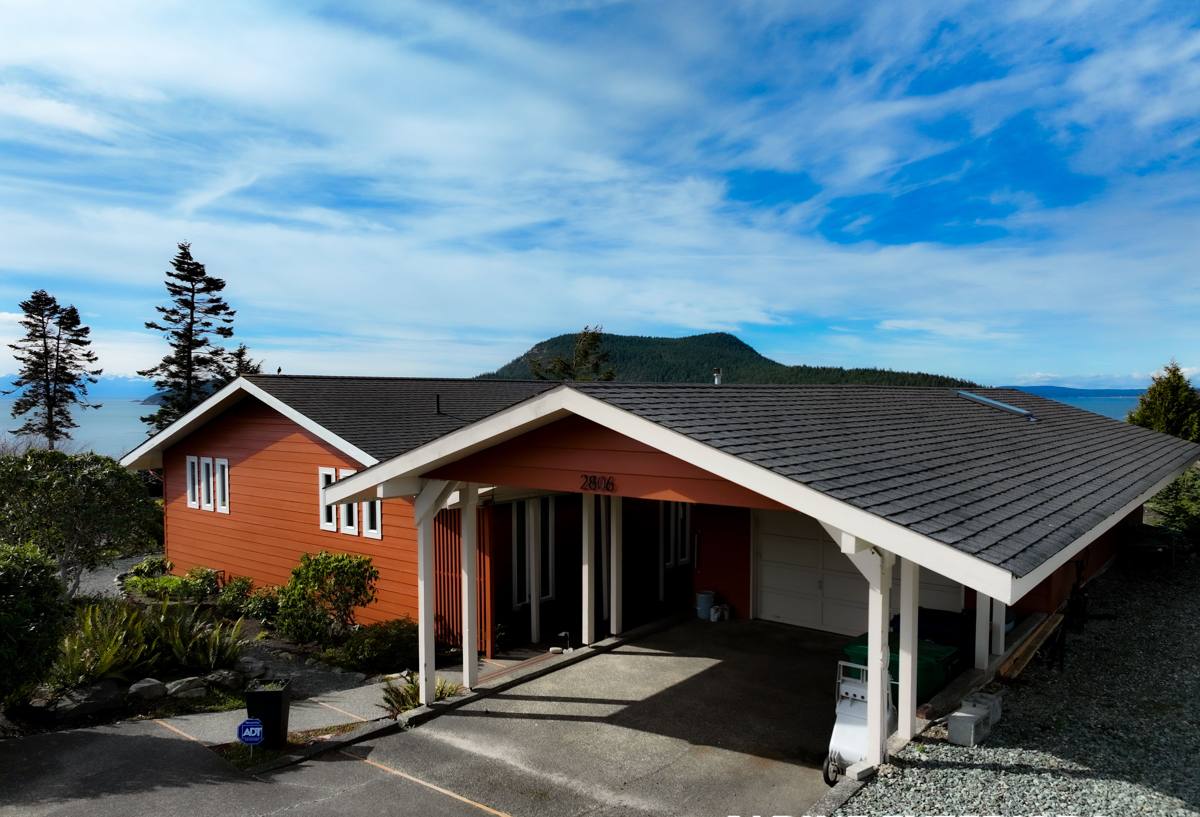
Samish sits in one of the more exposed pockets of Whatcom County — close enough to the water that salt air is a daily fact of life, and tucked against enough tree cover and elevation change that homes here see more shade, more moisture, and more moss pressure than a lot of inland properties just a few miles away. If you've owned a home along this stretch for more than a season or two, you already know what that combination does to siding, roofing, trim, and anything wood that isn't maintained aggressively. We've built our whole approach around exteriors that can actually take it.
This page covers how we approach siding, roofing, windows, and decks for homes in the Samish and greater Chuckanut area, and why the products we choose to install — and the ones we don't — come down to what actually holds up here.
What the Samish Climate Does to a House
Three things drive almost every exterior problem we see in this part of Whatcom County:
Salt Air
Proximity to Samish Bay and the broader Salish Sea means airborne salt is a constant, low-level presence. It accelerates corrosion on fasteners, flashing, and hardware, and it degrades certain paint and coating systems faster than manufacturers' standard warranties assume. Materials and finishes that aren't rated for coastal exposure tend to show their age early — chalking, pitting, or corroding well before a comparable product would inland.
Driving Rain
Storms coming off the water don't just fall straight down — wind-driven rain gets pushed sideways into wall assemblies, window flanges, and roof transitions. That means water intrusion risk here isn't just about how much rain falls, it's about how well every joint, seam, and penetration is flashed and sealed. A siding or roofing job that would be fine in a calmer inland location can fail here if the installer didn't detail it for wind-driven exposure.
A Long Moss Season
Between tree cover, marine humidity, and the number of overcast days Whatcom County gets, moss and algae growth isn't seasonal here — it's nearly year-round. Roofs, north-facing siding, and shaded decking all stay damp longer than they would in drier climates, which means organic growth gets a real foothold if the materials underneath can't handle sustained moisture contact.
None of this is unique to Samish specifically, but it's more concentrated here than in a lot of surrounding neighborhoods, and it's exactly the profile we design our exterior work around.
Siding: Why We Only Install James Hardie
We install James Hardie fiber cement siding exclusively. We don't install vinyl, LP SmartSide, primed spruce, cedar, or other fiber cement brands like Allura or Cemplank. That's a deliberate standard, not a lack of options, and in a salt-air, high-moisture environment like Samish, the reasoning holds up better than almost anywhere else we work.
Why Not the Alternatives
- Vinyl siding expands and contracts with temperature swings and can warp or become brittle over time. It also relies on caulked seams and overlaps that are more vulnerable to wind-driven rain finding a way behind the cladding.
- Wood products (cedar, primed spruce) look great initially but require consistent repainting, caulking, and moisture management to survive a long moss season. In shaded, damp areas of a property, wood siding is the first thing to show rot.
- LP SmartSide is an engineered wood product — better than raw wood in some respects, but it's still wood-based, meaning it's more sensitive to sustained moisture exposure than fiber cement, and edge-sealing at every cut is critical to its warranty.
- Other fiber cement brands can be reasonable products, but we've standardized on one manufacturer's system so our crews install the same detailing, flashing, and finish approach on every job, with one warranty structure to stand behind.
Why James Hardie
Fiber cement is non-combustible and dimensionally stable — it doesn't expand and contract the way vinyl or wood does, which matters when you're dealing with the temperature and moisture swings of a marine climate. James Hardie's ColorPlus factory-applied finish is baked on under controlled conditions, which gives it more consistent, longer-lasting color retention than field-applied paint, especially against UV and salt exposure. Hardie also engineers regional product lines (HZ5/HZ10) specifically for climate zones like ours, and backs the product with a strong transferable warranty — useful if you ever sell the home.
None of that means Hardie siding is maintenance-free. It still needs to be installed to spec — correct clearances, proper flashing at penetrations, and caulking at the manufacturer's specified joints — and it still benefits from periodic washing to keep moss and algae from building up on shaded elevations. But it gives homes in this area a siding system that's built for exactly the conditions Samish throws at it.
Roofing in a Long Moss Season
Roofing in Samish isn't just about keeping water out — it's about managing moss, algae, and sustained shade exposure over the life of the roof. We look at a few things specific to this area on every roofing job:
- Ventilation and attic airflow, since trapped moisture under the roof deck accelerates both rot and moss growth from underneath
- Flashing detail at valleys, chimneys, and roof-to-wall transitions, which are the most common failure points under wind-driven rain
- Material choice for shaded, north-facing, or tree-covered sections, where moss pressure is highest
- Gutter and downspout capacity, since a long rainy season means these systems work harder here than in drier parts of the state
Regular moss removal and gutter maintenance go a long way toward extending roof life in this area — a roof that's structurally sound but neglected on the maintenance side will still degrade faster here than the same roof would somewhere drier.
Windows: Sealing Out Wind-Driven Rain
Window failures in coastal Whatcom County are rarely about the glass itself — they're almost always about the flashing and sealing around the frame. Wind-driven rain finds gaps at the window flange, the sill pan, or the interface between the window and the siding, and once water gets behind the frame it can sit there and cause rot or mold without being visible from inside the house.
When we replace windows, we pay particular attention to sill pan flashing, proper head flashing above the unit, and integrating the window flange correctly with the water-resistive barrier and siding above it. We also talk with homeowners about frame material — vinyl, fiberglass, and clad-wood windows all perform differently in a salt-air environment, and the right choice depends on the home's exposure and your maintenance preferences.
Decks: Built for Shade and Moisture
Decks in Samish face the same moss and moisture pressure as roofs, often worse, since decking surfaces are horizontal and hold standing water and organic debris longer. Composite decking has become the more practical choice for a lot of homeowners here — it doesn't need refinishing, resists moisture absorption better than wood, and holds up better against the sustained dampness that shaded lots see. Wood decking is still a legitimate option if you prefer the look and are prepared for the maintenance schedule it requires — regular sealing and cleaning matter more here than in a drier climate.
Structural details matter as much as the decking material itself: proper ledger board flashing where the deck attaches to the house, joist protection tape, and adequate drainage underneath all reduce the moisture-related failures that show up first in coastal, shaded settings.
Comparing Siding Options for a Samish Home
| Factor | Vinyl | Wood / Primed Spruce | LP SmartSide | James Hardie Fiber Cement |
|---|---|---|---|---|
| Salt air resistance | Moderate | Poor without upkeep | Moderate | Strong |
| Moisture/rot resistance | Good (but seams leak) | Poor | Moderate | Strong |
| Maintenance burden | Low | High (repaint/reseal) | Moderate | Low to moderate |
| Finish longevity | Fades over time | Fades, peels | Field-painted, fades | Factory ColorPlus finish |
| Fire resistance | Combustible | Combustible | Combustible | Non-combustible |
What to Ask Before Hiring an Exterior Contractor in Samish
Coastal, shaded properties punish shortcuts faster than inland ones do. A few things worth confirming with any contractor you're considering:
- Do they carry current Washington state contractor licensing and insurance, and can they provide proof?
- Do they detail flashing and sealing for wind-driven rain, or use a generic inland installation approach?
- What warranty applies to both materials and labor, and is it transferable if you sell the home?
- Have they worked on homes in this specific area before, and do they understand the moss and moisture patterns here?
- Will they give you a written, itemized estimate before starting work?
Why a Local Crew Matters Here
A contractor working across a wide swath of Western Washington without regional focus may not adjust their detailing for a marine, moss-heavy environment like Samish. Local experience means knowing which elevations on a given lot are going to fight moss hardest, which flashing details actually matter under wind-driven rain, and which materials are worth the investment versus which ones will need to be redone in a few years. That's the standard we hold every job to in this area, whether it's a full siding replacement, a roof, new windows, or a deck.
If you're weighing options for your home's exterior in Samish or the broader Chuckanut area, we're happy to take a look and put together a free, no-pressure estimate — no obligation, just a straight assessment of what your home needs.