 Chuckanut Exterior
 Why Two "Siding Jobs" Can Cost So Differently
Ask three siding contractors in Whatcom County to price the same house and you'll often get three different numbers, sometimes by a wide margin. That's not because someone is padding a bid or someone else is lowballing to win the job. Siding replacement is one of those projects where the price is driven by a long list of variables that aren't visible from the curb — what's under the existing siding, how the house is shaped, how much prep work the sheathing needs, and which material you choose. Understanding those variables is the difference between comparing bids intelligently and just picking the lowest number on a piece of paper.
This page walks through what actually moves the cost of a siding job up or down, what's usually hidden in a "too good to be true" bid, and how Chuckanut's climate specifically factors into the equation.
The Core Cost Drivers
House Size and Shape
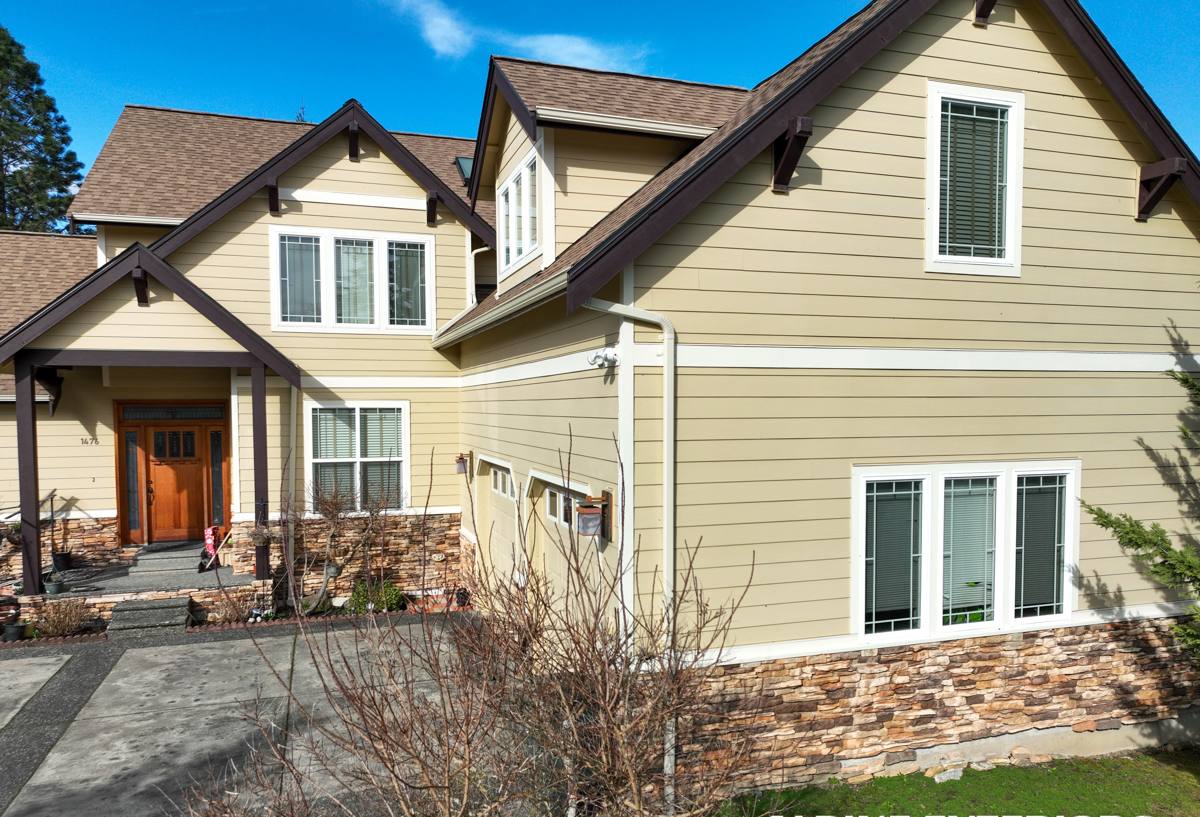
Square footage matters, but shape matters just as much. A simple rectangular ranch with few corners and a low roofline installs faster and with less waste than a home with multiple gables, dormers, bump-outs, and a mix of roof pitches. Every inside corner, outside corner, and window or door opening adds cutting, fitting, and caulking time. Two houses with identical square footage can have very different labor bills once you account for complexity.
Tear-Off vs. Overlay
Removing old siding down to the sheathing, inspecting and repairing what's underneath, and starting fresh is more labor-intensive than installing over existing material — but it's also the only way to catch rot, moisture damage, or failed house wrap before it's sealed behind a new wall. In our experience in this region, skipping tear-off to save money is one of the more common regrets homeowners have a few years down the road, especially on older homes that have never had the wall assembly opened up and inspected.
Material Choice
This is usually the single biggest swing factor. Vinyl siding sits at the lower end of material cost. Engineered wood products land in the middle. Fiber cement — the category James Hardie belongs to — costs more up front than vinyl but is priced for a longer, lower-maintenance service life. We'll get into the trade-offs below, but material choice alone can shift a project's total cost by thousands of dollars in either direction.
Trim, Accents, and Detail Work
Corner boards, window and door trim, frieze boards, and any decorative accents (board-and-batten sections, shake-style accent panels, shadow-line detailing) all add labor and material cost. A house with clean, simple trim lines will price lower than one with a lot of architectural detail — even if the base siding material is identical.
Comparing Materials Side by Side
Rather than quote specific dollar figures — which shift with lumber and resin markets, labor availability, and the scope of your particular home — it's more useful to understand how materials stack up against each other on the factors that actually determine your long-term cost.
| Material | Relative Upfront Cost | Install Complexity | Long-Term Maintenance |
|---|---|---|---|
| Vinyl | Lowest | Low — fast install, forgiving | Low upkeep, but fades and can warp; not repairable in sections without a visible patch |
| Engineered wood (LP-type) | Low to mid | Moderate — sensitive to correct flashing and sealing | Moisture management is critical; failures are often installation-related |
| Primed spruce / cedar | Mid | High — needs skilled carpentry and ongoing sealing | Repainting and caulk maintenance on a recurring cycle |
| Fiber cement (James Hardie) | Mid to higher | Moderate to high — requires trained crews and correct fastening/clearances | Low; factory finish holds color, material doesn't rot or attract pests |
The takeaway isn't "cheapest wins" or "most expensive wins" — it's that upfront price and lifetime cost are two different numbers, and a smart comparison looks at both.
What's Bundled Into a Real Siding Bid
A siding number should reflect more than the panels or planks themselves. Ask any bid to break out:
- Tear-off and haul-away of the old siding
- Sheathing repair or replacement where rot or damage is found
- House wrap or weather-resistive barrier (new, not reused)
- Flashing at windows, doors, and roof-to-wall transitions
- Trim, corner boards, and any accent details
- Fasteners rated for the specific material and your exposure
- Caulking and sealant at penetrations and joints
- Cleanup and disposal fees
A bid that's missing several of these line items isn't necessarily a bad bid — but it's an incomplete one, and it makes an apples-to-apples comparison with a competitor's number impossible. When homeowners ask us why a full-scope estimate looks higher than a quick verbal number from another contractor, this list is usually the answer.
Labor: The Cost You Can't See in the Material Price
Material only accounts for part of a siding budget — often less than half. Labor covers tear-off, sheathing inspection and repair, precise flashing work at every penetration, correct fastening (which varies by material and even by manufacturer spec), trim carpentry, and finish work. Skilled crews cost more per hour, but rushed or undertrained labor is where most siding failures start — not with the material itself. A fiber cement panel installed with the wrong nail pattern or without proper clearance at the bottom will underperform no matter how good the product is on paper. This is a big part of why installer training and manufacturer certification matter as much as the brand name on the panel.
What Chuckanut's Climate Adds to the Equation
Whatcom County's exterior conditions aren't uniform, and Chuckanut sits in a spot that sees a particular combination of stresses: salt-laden air off the water, driving rain that gets pushed sideways into wall assemblies during winter storms, and a long, damp moss season that keeps north-facing and shaded elevations wet for extended stretches of the year. Those conditions don't change what siding costs to buy — but they do change what it costs to install correctly and what happens if it isn't.
Salt Air
Salt exposure accelerates corrosion on fasteners and metal flashing. Cutting corners on fastener quality or flashing material to save a few dollars tends to show up as premature staining or failure years earlier than it should.
Driving Rain
Wind-driven rain finds any gap in flashing, caulking, or panel overlap. This is where tear-off and sheathing inspection earn their keep — you can't fix a compromised weather barrier after the new siding is closed up over it.
Moss and Persistent Moisture
Shaded, north-facing walls near tree cover hold moisture longer than sun-exposed elevations. Materials and coatings that tolerate sustained dampness without absorbing water or feeding organic growth hold up better here than they would in a drier climate.
None of this means siding replacement costs more in Chuckanut than elsewhere in Whatcom County — it means the margin for cutting corners is smaller here than it would be in a drier, more sheltered inland area.
Hidden Costs Homeowners Often Miss
A few items catch people off guard because they're easy to overlook until the crew is already on site:
- Rot repair discovered during tear-off — impossible to price exactly until the old siding comes off, so a fair bid should include a contingency or per-sheet repair rate rather than pretending it won't happen.
- Permit and code requirements — some jurisdictions require permits for full siding replacement, and older homes may trigger updated code requirements for house wrap or flashing details.
- Access and staging — steep lots, limited driveway access, or multi-story sections may require additional staging or equipment.
- Paint or trim work not included in the siding scope — if trim is being painted rather than replaced, confirm whether that's a separate line item.
How to Get a Number You Can Actually Trust
The most reliable way to compare bids isn't to compare the bottom-line total — it's to compare scope, line by line. Before you sign anything, it's worth asking:
- Does the bid include full tear-off, or is it an overlay?
- What happens to the price if rotted sheathing is found — is there a set repair rate?
- What house wrap and flashing products are being used, and are they rated for coastal/high-moisture exposure?
- Is the crew manufacturer-trained or certified for the specific material being installed?
- What does the warranty actually cover — material only, or workmanship too — and for how long?
- Is disposal and cleanup included in the price?
A contractor who answers these questions clearly and in writing, without hedging, is one worth trusting with a project this size.
Why We Standardized on One Product
We install James Hardie fiber cement siding exclusively. That's a deliberate choice, not a limitation on what we're capable of installing. After years of working on homes throughout this region — dealing with salt air, wind-driven rain, and moss season firsthand — we found that fiber cement, installed to manufacturer spec by trained crews, gave homeowners the best combination of durability, low maintenance, and a factory finish that holds up without the recurring paint and sealant cycle other materials demand. Standardizing on one product also means our crews aren't relearning installation details for five different material systems — they know this one thoroughly, which matters more to long-term performance than most homeowners realize.
If you're weighing a siding replacement and want a straight answer on what your specific home would actually cost — not a rough range, but a real number based on your house's size, condition, and details — we're happy to walk the property with you and put together a free, no-pressure estimate.