 Chuckanut Exterior
 Exteriors Built for What Mount Vernon Actually Deals With
Homes around Mount Vernon sit in a climate that's harder on exteriors than a lot of homeowners realize until they've owned a house here for a few winters. You've got salt-laden air drifting in off the water, long stretches of driving rain that don't let up for days, and a moss season that can run from fall clear through spring. None of that is dramatic on its own, but stacked together year after year, it's exactly the combination that finds every weak point in a siding job, a roof, a window seal, or a deck's fasteners.
Chuckanut Exterior Companies works this stretch of Whatcom County because it's where we're based and where we know the failure patterns firsthand. We're not running a regional franchise playbook here — we're a local crew that shows up in Mount Vernon, looks at a house, and tells you honestly what the climate is doing to it and what it'll take to fix it right.
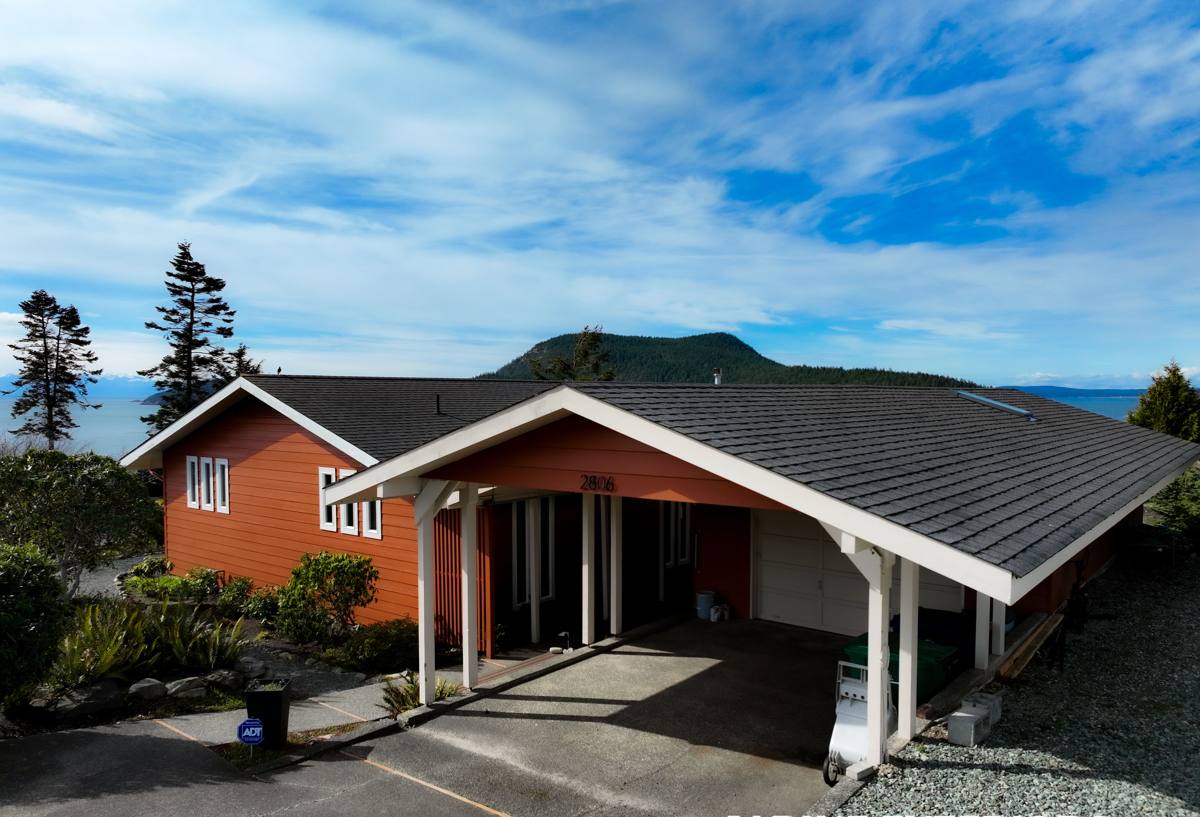
Siding: The First Line of Defense Against Salt Air and Rain
Siding takes the brunt of everything the Mount Vernon climate throws at a house. Salt air is corrosive and can accelerate the breakdown of paint films and lower-grade materials. Constant moisture exposure means any siding product with a weak point at the seams, fasteners, or bottom edge will eventually let water in — and once water gets behind siding, the damage is happening where you can't see it.
We install James Hardie fiber cement siding exclusively. That's not a marketing preference — it's a standard we settled on after weighing how different siding materials actually hold up in a marine, high-moisture climate over a 20-30 year span, not just how they perform in a showroom or a dry-climate installation.
Why Fiber Cement Over the Alternatives
- Vinyl siding expands and contracts with temperature swings and can warp or crack over time; it also doesn't stand up to the freeze-thaw and moisture cycling this area sees as well as fiber cement.
- LP SmartSide and other engineered wood products use a wood-based substrate, which means moisture intrusion at a cut edge, seam, or fastener point can lead to swelling or deterioration if the coating and installation aren't flawless — a real risk in a region with this much sustained rain.
- Primed spruce, cedar, and other traditional wood sidings require ongoing repainting and sealing to keep water out, which is a real maintenance commitment in a climate where the siding rarely gets a long dry stretch to cure.
James Hardie's fiber cement is engineered from cement, sand, and cellulose fiber, which makes it non-combustible and dimensionally stable — it doesn't swell, rot, or attract the kind of moss and algae growth that plagues wood-based products in shaded, damp yards. Hardie also builds ColorPlus factory-applied finishes that are baked on and warranted against fading and peeling, which matters when you're not repainting every few years just to keep ahead of the weather.
Hardie's Climate Engineering: Why It Matters Here
James Hardie manufactures its siding in different formulations (called HZ5 and HZ10 product lines) engineered for specific climate zones — colder, wetter regions get a version built to handle freeze-thaw cycling and sustained moisture exposure differently than a hot, dry-climate version would. We install the product line matched to the Pacific Northwest, not a one-size-fits-all board. That distinction is easy for homeowners to miss when comparing quotes, but it's one of the reasons we don't deviate from the Hardie system — we know which version belongs on a Mount Vernon home and why.
Roofing for a Long Wet Season
Roofs here don't get much of a break. Extended rain means shingles, flashing, and underlayment are under near-constant moisture load for months at a stretch, and shaded rooflines are prime real estate for moss to establish and start lifting shingle edges over time. A roof that's fine on paper can still leak if flashing details around valleys, chimneys, and vents weren't installed with this climate in mind.
Our roofing work focuses on the details that matter most in a wet marine climate: proper underlayment, correctly lapped flashing, adequate ventilation to manage condensation from inside the attic, and material choices that resist moss colonization better than a bargain-grade product. We'll also flag existing moss or shingle wear during an estimate — that's often the first visible sign that other parts of the exterior need attention too.
Windows That Handle Condensation and Drafts
Older or poorly sealed windows in this climate tend to show two problems: condensation buildup between panes or on interior glass from constant humidity, and drafts where failing seals let cold, damp air in. Replacement windows with modern insulated glass and properly installed flashing and flanges cut down on both — and correct flashing integration with the siding is just as important as the window unit itself, since a poorly flashed window is a common point where water gets behind the wall assembly.
Decks: Fasteners, Fungus, and Marine Air
Decks in this area face two compounding issues: constant moisture that promotes fungal growth and slick surfaces, and salt-influenced air that can accelerate corrosion on lower-grade fasteners and hardware over time. We build and repair decks with materials and hardware chosen for this environment, with attention to drainage, ledger board flashing, and joist protection — the parts of a deck that fail first when water has nowhere to go and nothing but time to work on it.
Why a Local Chuckanut Crew Matters for This Work
A lot of exterior problems in Mount Vernon aren't obvious until you know what to look for — moss creeping under a shingle course, a siding seam that's been wicking moisture for two winters, a deck ledger that's held up fine so far but is one wet season from trouble. That kind of read on a house comes from working on homes in this specific climate repeatedly, not from a general contracting background that happens to cover this territory.
Being local also means we're not disappearing after the job. If something needs a warranty follow-up or a question comes up two years later, we're the same crew, still working in the same area.
Comparing Siding Materials for a Marine, High-Moisture Climate
| Factor | James Hardie Fiber Cement | Vinyl | Engineered Wood (LP SmartSide) | Cedar / Primed Wood |
|---|---|---|---|---|
| Moisture behavior | Non-combustible, dimensionally stable, resists swelling | Doesn't rot but can warp with temperature swings | Wood-based substrate vulnerable at damaged seams/edges | Absorbs moisture without diligent sealing/paint upkeep |
| Moss / algae resistance | Strong, especially with ColorPlus finish | Moderate; surface can host growth in shaded areas | Weaker if coating is compromised | Prone to growth without regular treatment |
| Finish durability | Factory-baked ColorPlus, warranted against fading/peeling | Color molded in but can fade/chalk over time | Field or factory finish, repaint intervals vary | Requires repainting/staining every few years |
| Fire performance | Non-combustible | Combustible | Combustible | Combustible |
| Typical maintenance | Low — periodic wash and inspection | Low but limited repair options if cracked | Moderate — inspect seams/edges regularly | High — regular painting/sealing |
What an Exterior Estimate Looks Like Here
When we walk a property in Mount Vernon, we're looking at the whole exterior system, not just the piece the homeowner called about. Siding, roofing, windows, and decks all interact — a flashing issue at a window can show up as a stain on siding three feet away, and a moss-covered roof section is often shedding debris and moisture onto siding or a deck below it.
- Walk the exterior and note visible wear: moss, staining, cracked or warped material, gaps at trim and flashing.
- Check the areas most exposed to prevailing wind and rain — usually the north and west-facing walls in this region.
- Identify anything that's a moisture entry risk versus just cosmetic wear.
- Put together a written scope and estimate with the materials specified, not vague allowances.
A Homeowner's Seasonal Exterior Checklist
- Check for moss buildup on roof edges and shaded siding sections each fall
- Look for soft spots, staining, or bubbling paint on wood trim and siding
- Clear gutters before the heaviest rain months to keep water moving away from siding and fascia
- Inspect deck ledger boards and fastener heads for rust or looseness
- Check window seals and caulking for gaps after temperature swings
- Have any recurring damp spots or musty smells checked before they become bigger repairs
Our Standard: One Siding System, Installed Correctly
We've made the decision to install James Hardie fiber cement and only James Hardie fiber cement, because we'd rather stand behind one system we trust completely than offer a menu of products with different long-term risk profiles. That means every siding crew we send to a Mount Vernon home is working with material and flashing details they install repeatedly, not switching systems from job to job. Correct installation — proper clearances, fastening patterns, and flashing integration — matters as much as the product itself, and consistency is how we keep that standard high.
If you're dealing with siding, roofing, windows, or a deck that's showing its age around Mount Vernon, we're happy to take a look and give you a straightforward, no-pressure estimate — just fill out the form below.