 Chuckanut Exterior
 Edison Is a Tough Place to Get Siding Wrong
Homes around Edison sit where marine air off the water meets low-lying farmland, and that combination is rougher on exterior materials than most homeowners realize until they're dealing with the results. Salt-laden air corrodes fasteners and finishes that weren't built for it. Driving rain, pushed sideways by wind off the water, finds every gap in a siding system that wasn't detailed correctly. And the long, wet Whatcom County shoulder seasons mean moss and algae get months of damp shade to take root on north- and west-facing walls. None of this is unique to any one house in Edison — it's the baseline condition every exterior on this stretch of coastline has to survive, year after year.
That's the lens we use when we talk about siding here. It's not about picking a material that looks good on day one. It's about picking one that still looks good and still keeps water out after fifteen winters of this specific climate, and installing it in a way that doesn't create the shortcuts that let salt air and rain win.
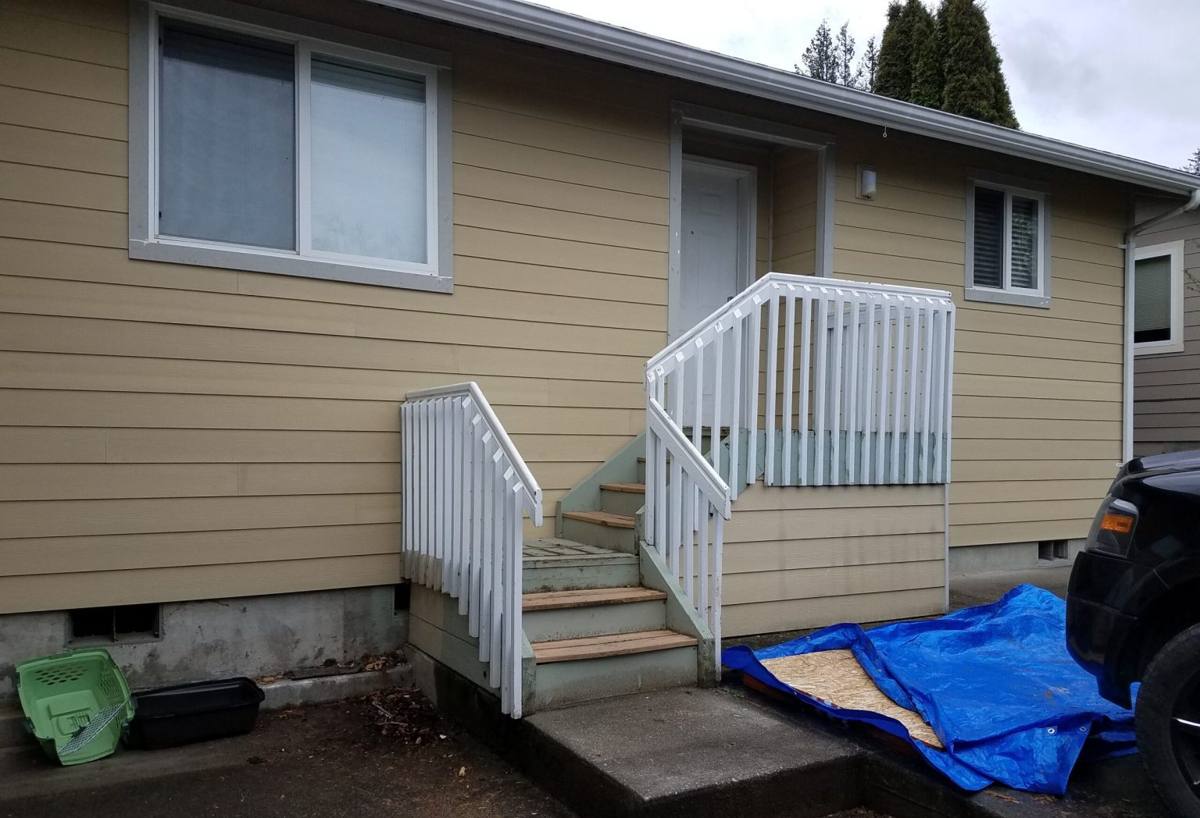
What Salt Air, Rain, and Moss Actually Do to a Wall
Salt air
Airborne salt is corrosive to exposed metal — nail heads, trim flashing, fastener systems — and it accelerates the breakdown of paint films that aren't formulated to resist it. Siding that relies on a field-applied paint job tends to chalk, fade, and lose adhesion faster in a marine environment than the same product would inland.
Driving rain
Wind-driven rain doesn't just fall on a wall, it gets forced sideways and upward into laps, seams, and butt joints. A siding system depends on correct overlaps, gapping, and flashing to shed that water before it reaches the sheathing. Skip any of that and water finds its way behind the cladding, where it can sit against wood framing for weeks.
Moss and algae
Shaded, damp wall sections — often the north side of a house or areas under tree cover — stay wet longer after every rain. Over a full moss season, that constant moisture supports growth that traps even more moisture against the surface and can stain or degrade a finish that isn't resistant to it.
Individually, each of these is manageable. Together, over years, they're exactly the conditions that separate a siding job that lasts two decades from one that needs attention in five or six years.
Why We Install James Hardie Fiber Cement — and Nothing Else
We standardized on James Hardie siding for every job we do, including in Edison, because it's engineered around the problems this exact climate creates. Fiber cement doesn't rot, and it isn't a food source for the organic growth that thrives in a wet, shaded coastal environment. It's non-combustible, which matters for insurance and for peace of mind. And Hardie's ColorPlus finish is factory-baked onto the board under controlled conditions, not brushed on outdoors — which means it resists fading and chipping far better than a field-applied coat, and it comes with its own finish warranty separate from the product warranty.
Hardie also builds region-specific product lines, and the HZ5 formulation is engineered for wetter, harsher climates like the Pacific Northwest coast — different from the HZ10 line built for hot, dry regions. That's not marketing language, it's a real difference in how the board is formulated to handle moisture cycling. Installing the wrong regional formulation, or installing the right one incorrectly, gives up most of that advantage.
Where Fiber Cement Jobs Actually Go Wrong
Fiber cement is a forgiving material when it's handled right and an unforgiving one when it isn't. Almost every siding failure we get called out to inspect on a fiber cement home traces back to installation, not the product itself:
- Boards nailed too tight to the foundation or hardscape, with no clearance for water to drain away
- Missing or undersized gaps at butt joints and trim, which don't allow for the board's normal expansion and contraction
- Face-nailing patterns that don't match Hardie's fastening specs for the wind exposure of a coastal lot
- Caulk used as a substitute for proper flashing at windows, doors, and horizontal trim — caulk fails; flashing doesn't
- Cut edges left unsealed, exposing the core of the board to standing moisture
Every one of those is invisible from the street once the paint and caulk are fresh. They only show up two, five, or ten years later — as staining, soft trim, or paint failure at the exact joints where water was allowed to sit. That's why installer skill matters at least as much as product choice.
What a Correct Installation Involves
A proper Hardie install on an Edison home follows Hardie's published fastening, clearance, and flashing requirements — not general siding habits carried over from other materials. That includes maintaining the manufacturer's minimum clearance from grade, roofing, and decks; using a code-compliant weather-resistant barrier behind the siding; flashing every horizontal transition (window heads, trim boards, roof-to-wall intersections) so water sheds outward instead of behind the cladding; and following Hardie's specified fastener spacing and edge distance for the wind-exposure category of the site.
It also means respecting the factory finish. ColorPlus boards are pre-finished, so job-site handling, cutting method, and touch-up procedure all affect how that finish performs — and how much of the warranty stays intact. Cutting with the wrong tool, for example, can chip the factory coating along an edge that then becomes a moisture entry point.
How Our Process Works
- Site and exposure assessment. We look at which walls take the most wind-driven rain, which stay shaded and damp longest, and what that means for flashing detail and product selection on that specific house.
- Tear-off and substrate check. Old siding comes off and we inspect the sheathing and framing underneath for any moisture damage before anything new goes up — no siding over a wet or compromised wall.
- Weather barrier and flashing. A correctly lapped weather-resistant barrier goes on first, followed by flashing at every horizontal break, window, and door — the part of the job that determines whether water actually stays out.
- Hardie installation to spec. Boards go up following Hardie's fastening schedule and clearance requirements for this exposure, with butt joints and trim gapped correctly for expansion.
- Finish and detail work. Factory-cut and finished edges are sealed per Hardie's guidelines, trim is set, and any cut edges are treated so the core material isn't exposed.
- Final walkthrough. We go over the completed exterior with the homeowner, including what routine care looks like in this climate.
Choosing a Product Line and Color for This Location
James Hardie's lineup gives real options for a coastal Whatcom County property, but the right pick depends on the house. HardiePlank lap siding is the standard choice for most Edison homes and comes in several profile widths and textures. HardieShingle works well for accent gables or a more traditional look. HardieTrim finishes out corners, fascia, and window surrounds so the whole exterior is one consistent, factory-finished system rather than a patchwork of materials aging at different rates.
On color, darker ColorPlus finishes hide moss staining less effectively over time than mid-tone or lighter finishes in heavily shaded, damp locations — worth discussing before locking in a color if a wall gets significant shade. We'll walk through the realistic look of a color on a north-facing wall in this climate, not just how it looks in a sample chip.
Cost Factors on an Edison Job
Every project is different, but the same handful of factors drive most of the cost variation we see on jobs in this area:
| Factor | Why It Matters Here |
|---|---|
| Tear-off complexity | Multiple layers of old siding or hidden moisture damage add labor before new siding can go up |
| Wall exposure | Walls facing prevailing wind and rain need more careful flashing detail, which affects labor time |
| Trim and detail level | Corner boards, window surrounds, and gable accents in HardieTrim or HardieShingle add cost over plain lap siding |
| House height and access | Multi-story walls and difficult site access affect scaffolding, staging, and time |
| Substrate repair | Any rotten sheathing or framing found during tear-off has to be repaired before siding goes back on |
We give a firm, written estimate after a walkthrough — not a phone-quote guess — because the tear-off and substrate condition on an older Edison-area home can genuinely change the scope once the old siding is off.
Living With Hardie Siding in a Salt Air, High-Moss Climate
Correctly installed Hardie siding is low-maintenance, but "low" isn't "none." A short seasonal routine keeps it performing the way it's designed to in this environment:
- Rinse the exterior with a garden hose or soft wash once or twice a year to clear salt residue and organic buildup before it takes hold
- Keep gutters clear so overflow doesn't run down the wall face and feed moss growth at trim lines
- Trim back vegetation and tree cover that keeps a wall section shaded and damp longer than the rest of the house
- Check caulking at penetrations (hose bibs, vents, light fixtures) annually — caulk is a maintenance item even on a system built around flashing, not caulk
- Have any impact damage or visible gap addressed promptly rather than waiting, since a small opening is how sustained moisture problems start
None of this is heavy work, and it's far less upkeep than repainting a field-finished siding product every few years — but skipping it entirely does shorten how long a finish looks good in a marine climate.
Why a Crew That Already Works Edison Matters
A lot of what separates a siding job that holds up here from one that doesn't isn't the material — it's whether the installer actually accounts for wind-driven rain, salt exposure, and shaded moss-prone walls in the flashing and fastening decisions, or just installs the same way they would on a dry inland lot. A crew that regularly works this part of Whatcom County has already seen which wall orientations take the worst weather, which detailing choices hold up over a full wet season, and which shortcuts show up as callbacks two years later. That experience shows up in the details you can't see once the job is finished — the flashing behind the trim, the clearance at the foundation, the fastener spacing — which is exactly where coastal siding jobs succeed or fail.
If you're planning a siding project on an Edison-area home, we're happy to walk the exterior with you, point out what this climate has already done to the current siding, and explain exactly what a correctly installed James Hardie system would look like on your house. The estimate is free, there's no pressure, and you'll get a straight answer about scope and cost before any work starts.