 Chuckanut Exterior
 Exterior Work for Homes Around Bow
Bow sits along the water-and-timber corridor near Chuckanut Drive, in the kind of setting that makes for a beautiful place to live and a genuinely hard place to keep a house exterior in good shape. Homes here deal with salt-laden air off the bay, driving rain that comes in sideways off Puget Sound weather systems, and a moss and mildew season that can stretch for most of the year under tree cover. We built our business around exteriors that hold up to exactly this kind of climate, and we send crews out to Bow regularly enough to know what tends to go wrong on the houses out there and what actually prevents it.
This page covers what we do for homeowners in and around Bow — siding, roofing, windows, and decks — and why the specific conditions of this area shape how we recommend building and maintaining an exterior.
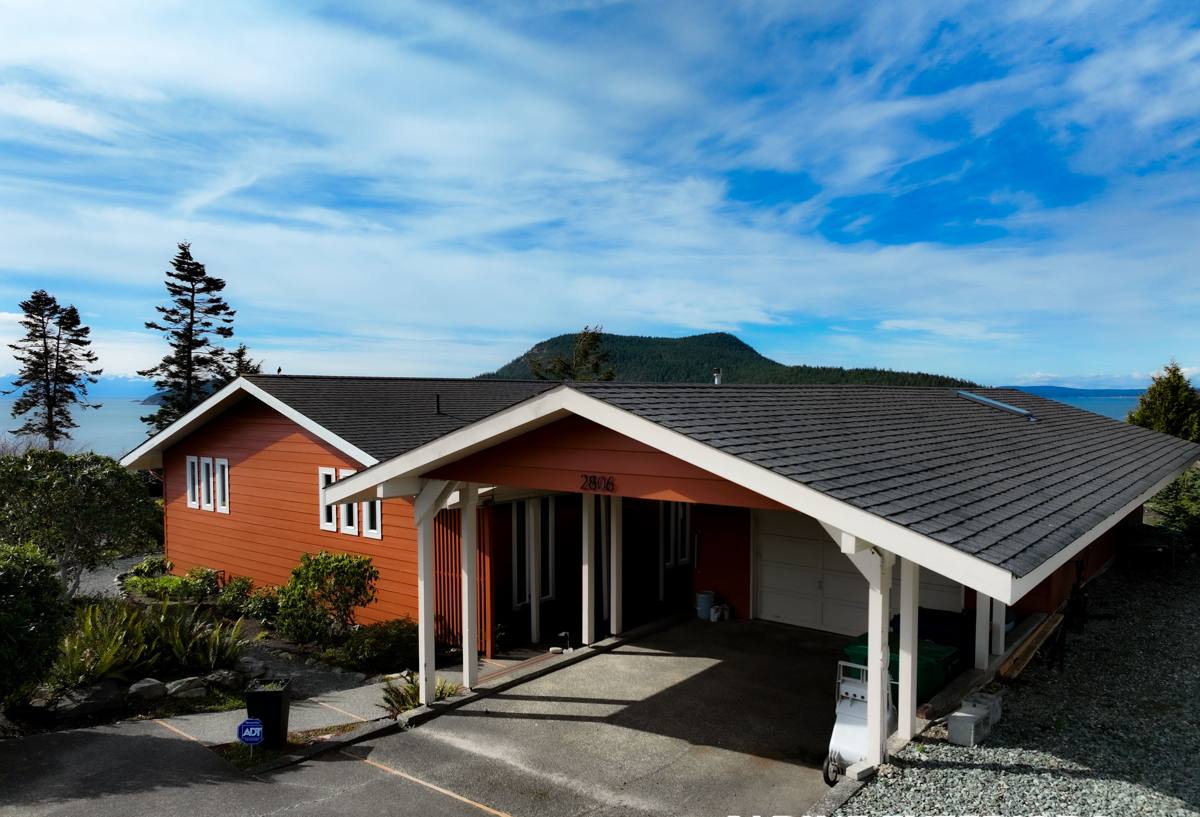
What the Climate Does to a Bow Home
Salt Air
Proximity to the bay means airborne salt settles on every exterior surface, not just the side facing the water. Salt is corrosive to exposed metal fasteners, flashing, and hardware, and it accelerates the breakdown of finishes that aren't built to resist it. Paint chalks and fades faster near the water than it does further inland, and untreated or poorly coated materials show pitting and corrosion years before they would in a drier, saltier-free environment.
Driving Rain
This part of Washington doesn't just get a lot of rain — it gets wind-driven rain that hits siding and window assemblies at an angle instead of falling straight down. That matters because a lot of exterior failures aren't about total rainfall, they're about water finding its way sideways and upward under laps, trim, and flashing that were only ever designed to shed water falling straight. Homes near Chuckanut and Bow need water management details — flashing, laps, sealant joints, drainage planes — that assume rain will attack from an angle, not just from above.
Moss and Persistent Moisture
Heavy tree cover, shorter winter daylight, and a long damp season combine to give moss, algae, and mildew a long runway on north-facing walls, roofs, and anywhere airflow is limited. Moss holds moisture against a surface far longer than open air would, which is a problem for wood-based products in particular, and it's a maintenance issue on roofing that goes unaddressed for too long.
Siding: Why We Only Install James Hardie
We install James Hardie fiber cement siding exclusively. We don't offer vinyl, LP SmartSide, cedar, primed spruce, Cemplank, or Allura, and that's a deliberate standard, not a lack of options. For a climate like Bow's — salt air, sideways rain, extended damp seasons — the material choice matters more than almost any other decision in a siding project.
- Non-combustible core: fiber cement doesn't feed a fire the way wood-based siding can, which matters given the wildfire risk that has become a real consideration even in wetter parts of Washington.
- Moisture behavior: Hardie's fiber cement doesn't swell, rot, or delaminate the way wood, wood-composite, or some engineered wood panels can when they take on repeated moisture exposure.
- ColorPlus factory finish: a baked-on finish applied under controlled conditions holds color and resists the chalking and fading that salt air and UV accelerate on field-applied paint.
- Climate-engineered HZ product lines: Hardie manufactures HZ5 formulations specifically for wetter, colder climate zones like the Pacific Northwest, which is a meaningful difference from a one-size-fits-all product.
- Warranty: Hardie backs its siding with a long, transferable warranty on the substrate and a separate finish warranty on ColorPlus products — real protection if you sell the home.
We've watched wood-based and vinyl products struggle in coastal, high-moisture settings — vinyl can warp or become brittle with UV and temperature swings, wood-based composites are sensitive to installation error and ongoing maintenance, and untreated or under-maintained wood siding needs a repaint and moisture-check cycle that a lot of homeowners don't sign up for when they choose it. None of that is a knock on every use case for those products — it's why, for this climate specifically, we standardized on one system and install it correctly rather than offering several and hoping each one gets maintained the way it needs to be.
Roofing for Moss, Rain, and Wind
Roofs around Bow take a beating from the same conditions that hit siding, plus wind exposure off the water. A few things matter more here than they might inland:
- Proper underlayment and ice-and-water protection at eaves, valleys, and penetrations, since driving rain finds gaps that straight-down rain never would.
- Attention to ventilation and airflow, which slows moss growth and helps roof decking dry out between wet spells instead of staying damp for weeks.
- Flashing details around chimneys, skylights, and roof-to-wall transitions — these are the most common places we find leaks starting on older homes in this area.
- Material and fastener choices that hold up to salt exposure without premature corrosion.
Routine moss removal and gutter maintenance go a long way toward extending a roof's life here — it's one of the lower-cost things a homeowner can do that has an outsized effect on how long a roof lasts under these conditions.
Windows: Sealing Against Sideways Weather
Window failures in this climate are rarely about the glass — they're about the seal between the window unit and the wall. Wind-driven rain will find any gap in flashing or sealant around a window opening, and once water gets behind a window frame it can sit there, hidden, causing rot or damage to framing long before it shows up as a visible stain inside. When we replace windows, we pay as much attention to the flashing and integration with the surrounding wall assembly as we do to the window unit itself. Upgrading to better-performing glass and frames also helps with energy efficiency, which matters through a long Pacific Northwest heating season.
Decks: Built for a Wet, Shaded Environment
Decks near Bow often sit under tree cover or close to the water, which means constant exposure to moisture and, frequently, less direct sun to dry things out between rains. That combination is hard on ledger boards, fasteners, and any wood-to-wood contact point where moisture can get trapped. Good deck work here focuses on proper flashing at the ledger connection, fasteners rated for the exposure, and drainage that doesn't let water pool against structural members. Material choice matters too — some decking and railing products handle constant damp shade better than others, and we'll walk through the trade-offs based on how your specific site sits relative to sun and tree cover.
Cost Factors to Expect
Every property is different, but these are the variables that most often move a project's scope and cost in the Bow area:
| Factor | Why It Matters Here |
|---|---|
| Existing moisture damage | Hidden rot behind old siding or around windows is common in long-damp climates and often isn't visible until removal begins |
| Tree cover and access | Wooded lots near Bow can mean more setup, protection, and cleanup work, plus ongoing moss exposure after the job is done |
| Water/wind exposure | Homes with more direct exposure to bay winds need more robust flashing and fastening details |
| Age of existing exterior | Older homes often need more substrate repair before new siding, roofing, or windows can go on |
| Scope bundling | Combining siding, roofing, window, or deck work in one project can reduce total mobilization and site-prep cost |
Why a Local Crew Matters
An exterior contractor who mostly works drier, more sheltered inland areas doesn't necessarily think about salt exposure, angled rain, or year-round moss the way a crew that works this specific stretch of Washington does. We send people out to Bow, Chuckanut, and the surrounding area regularly, which means the flashing details, fastener choices, and material recommendations we make aren't generic — they're informed by what we've actually seen fail and hold up on homes facing this exact combination of wind, water, and shade. That's the difference between an exterior that looks right on installation day and one that's still performing correctly in fifteen years.
What to Look For When Vetting a Contractor Here
- Washington contractor licensing and proof of insurance
- Manufacturer training or certification for the specific siding system being installed
- A clear explanation of flashing and water-management details, not just material brand names
- Willingness to walk you through why they recommend one product over another for your specific site
- Local references or a track record of work in similar coastal or wooded conditions
Getting Started
Whether you're dealing with a siding system that's showing its age, a roof that's holding onto moss longer than it should, windows that let in drafts and moisture, or a deck that needs attention before it becomes a bigger repair, the sooner these issues get looked at, the less they tend to cost to fix. We're happy to come out, take a real look at your home's exterior, and give you a straight assessment — no pressure, no upsell, just an honest read on what your house actually needs. Reach out for a free estimate and we'll get a crew familiar with the Bow area out to talk through your options.