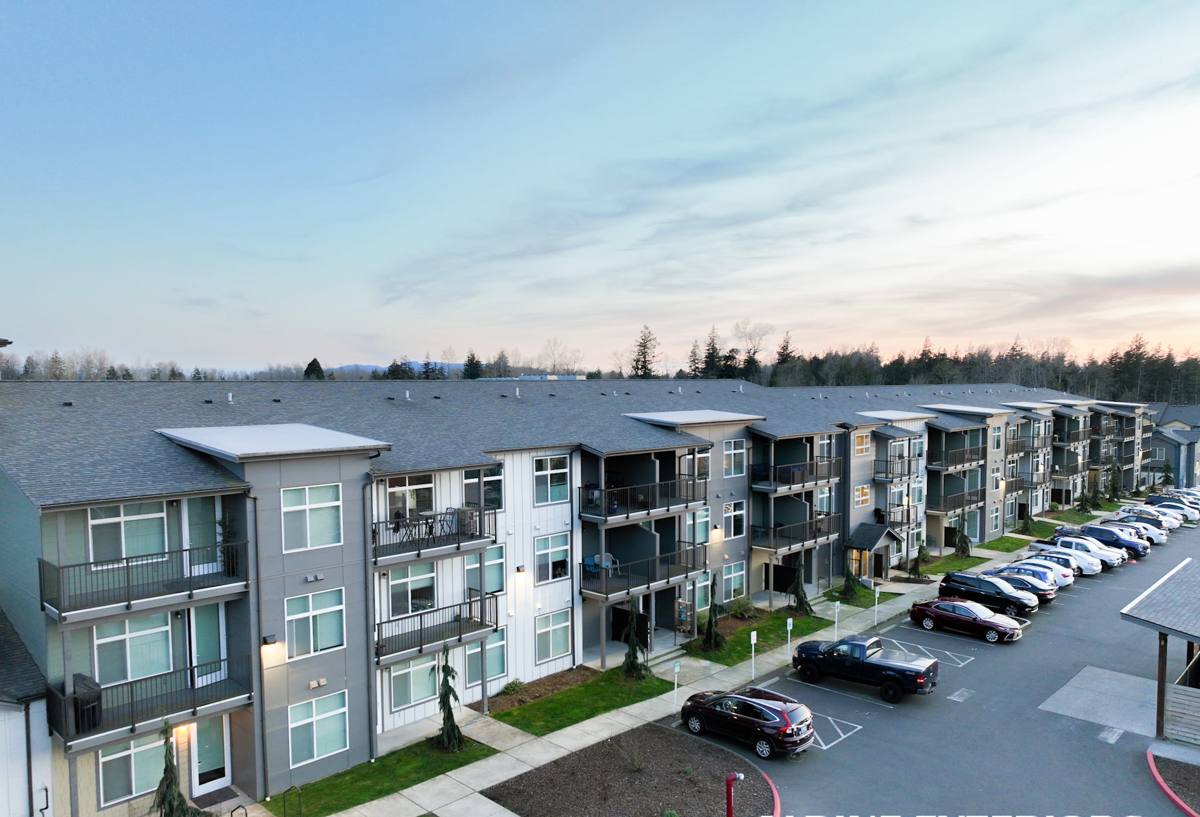
 Chuckanut Exterior
 Windows Built for Edison's Coastal Conditions
Edison sits close enough to the water that homes here take a different kind of weathering than houses ten miles inland. Salt-laden air works into window frames and hardware year-round, wind-driven rain finds every gap in a poorly sealed unit, and the long stretch of wet, low-sun months that Whatcom County gets each year keeps moss and mildew active on anything that stays damp too long. Windows are one of the first things on a house to show that wear — fogged glass, swollen sashes, chalky or pitted frames, and sills that never quite dry out.
A custom window job in this area isn't just about picking a style out of a catalog. It's about matching the frame material, glazing, and installation detail to what this specific stretch of coastline does to a house over time. That's the lens we bring to every Edison project.
What "Custom" Really Means Here
"Custom" doesn't have to mean unusual shapes or high-end architectural glass, though we do that work too. More often it means the window is built and installed to fit the actual opening, the actual wall assembly, and the actual exposure of that particular elevation of the house — not a generic stock size forced into place with extra trim to hide the gaps.
Where custom sizing matters most
Many Edison homes are older farmhouses, remodeled cottages, or additions built in stages, which means openings are rarely perfectly square or a standard size. Forcing an off-the-shelf window into an out-of-square opening leads to uneven reveals, binding sashes, and — most importantly in this climate — gaps that let wind-driven rain track behind the trim. A properly measured custom unit seals correctly the first time.
Where custom performance matters most
Exposure direction changes what a window needs to do. A west- or south-facing window catching prevailing weather off the water needs a different glass package and frame reinforcement than a sheltered window on the lee side of the house. We spec each opening individually rather than treating every window on the house the same.
Common Window Problems We See in the Area
- Aluminum-frame windows from past decades pitting and corroding from salt exposure
- Wood sills and sashes with soft or rotted spots where finish coatings failed
- Fogged double-pane glass where the seal has failed and moisture got between the panes
- Sashes that stick or won't latch tight because the frame has swelled with moisture
- Green or black growth on sills and lower sashes that stay shaded and damp for weeks at a time
- Drafts and cold spots that show up specifically during wind-driven rain events, not calm weather
Any one of these on its own might just be an annoyance. Together, they're usually a sign the window's finish, seal, or flashing detail was never matched to this climate in the first place.
Frame Material Comparison for Salt Air and High Moisture
There's no single "best" frame material for every home — it depends on your budget, the home's style, and how much upkeep you want to do. Here's how the common options actually perform in a salt air, high-rainfall environment like Edison's:
| Frame Material | Salt Air Resistance | Maintenance | Notes |
|---|---|---|---|
| Vinyl | Good — won't corrode or rust | Low — occasional cleaning | Budget-friendly; limited color/finish options; can look plasticky on older or higher-end homes |
| Fiberglass | Very good — stable, doesn't pit or corrode | Low | Handles temperature and moisture swings well without warping; higher upfront cost than vinyl |
| Wood (clad exterior) | Good on the clad side, vulnerable where finish fails | Moderate — exposed wood needs periodic refinishing | Best look for period homes; interior wood stays protected if the exterior clad layer is intact |
| Aluminum | Poor to fair — prone to pitting and corrosion near salt water | Moderate to high | We generally steer Edison clients away from bare aluminum for this reason — it's a maintenance burden this close to the water, not a defect in the product itself |
We're not tied to one brand or material — the right call depends on your home. What we won't do is install something we know will fight this climate for the next fifteen years just because it's cheaper today.
Glass and Weatherstripping Choices That Matter Here
Frame material gets most of the attention, but the glass package and the seal around it do a lot of the actual work against driving rain and drafts.
Glazing
Dual-pane glass is standard on nearly everything we install now, and for west- or water-facing rooms, upgrading to a low-E coating or a warmer-edge spacer system cuts down on condensation on the interior glass during the coldest, wettest stretches of the year — a common complaint in homes with older single-pane or early dual-pane units.
Weatherstripping and hardware
Corrosion-resistant hardware — hinges, locks, cranks — matters more here than in a lot of the county, simply because of the salt content in the air. We spec hardware rated for it rather than standard-grade parts that will start seizing up or staining within a few years.
Our Installation Process
- On-site assessment: We look at each opening individually — framing condition, existing flashing, sill pitch, and exposure — not just the window itself.
- Precise measurement: Openings are measured for the actual unit that will be built or ordered, accounting for any out-of-square conditions.
- Removal and inspection: When the old window comes out, we check the framing and sheathing behind it for hidden rot or moisture damage before anything new goes in — a step that gets skipped on rushed jobs, and it's the one that matters most in this climate.
- Flashing and sealing: Proper flashing tape and sealant sequencing so water is directed out and down, never trapped behind the new window.
- Installation and shimming: The unit is set plumb, level, and square, then shimmed and fastened per manufacturer spec.
- Interior and exterior finish: Trim, caulking, and touch-up are completed to match the home.
- Final check: We test operation, latching, and seal on every window before we call the job done.
Flashing and Moisture Management: The Step That Actually Prevents Callbacks
Most window failures we get called out to fix aren't glass or hardware problems — they're water intrusion problems traced back to flashing that was never installed correctly, or installed at all. In a location that gets sustained, wind-driven rain off the water, this detail is not optional trim work — it's the difference between a window that lasts decades and one that starts rotting the wall behind it in five years.
We install house wrap and flashing tape in the correct shingle-lap sequence (bottom pan first, side flashing over that, top flashing last) so any water that does reach the opening is directed back out rather than behind the siding. This is standard good practice everywhere, but it matters more in Edison than in drier parts of the state, because the margin for error is smaller.
Living With Moss Season: Maintenance That Actually Helps
Whatcom County's moss season runs long, and window sills, tracks, and lower sashes are prime real estate for growth if they stay shaded and damp. None of the maintenance below is difficult, but skipping it is how a good window installation turns into a problem five or six years later.
- Clear sills and tracks of debris and standing moss a couple of times a year, especially going into fall
- Rinse salt residue off frames and glass periodically if the home is exposed to onshore wind
- Check caulking at the trim edges annually and re-caulk any cracked or separated joints before winter
- Keep gutters and downspouts clear so runoff isn't sheeting directly down over window heads
- Operate every window at least a few times a season so hardware and weatherstripping don't seize or compress permanently
Why a Crew That Already Works in Edison Makes a Difference
A contractor who mostly works drier, inland areas can install a technically correct window and still miss the details that matter here — under-flashing an exposed elevation, specifying hardware that won't hold up to salt air, or not accounting for how long a shaded sill actually stays wet in this microclimate. We work Edison and the surrounding Chuckanut area regularly, so those aren't guesses for us — they're the baseline we build every quote around.
That also means we're realistic with you about trade-offs. If a lower-cost option will cause you more maintenance headaches in five years than it saves you today, we'll tell you that up front rather than let you find out the hard way.
What Affects the Cost of a Custom Window Project
| Factor | Why It Matters |
|---|---|
| Frame material | Vinyl is typically the least expensive; fiberglass and clad wood cost more but need less upkeep long-term |
| Number and size of openings | Larger units and more openings increase material and labor |
| Condition behind the existing window | Hidden rot or framing damage found during removal adds repair work before the new unit goes in |
| Exposure and flashing complexity | Elevations facing prevailing wind and rain need more careful (and time-consuming) flashing work |
| Glass upgrades | Low-E coatings and upgraded spacers add cost but reduce condensation and heat loss |
Every home and opening is different, which is exactly why we quote after an on-site look rather than over the phone.
If your windows are showing their age — fogging, sticking, drafting, or growing moss they shouldn't — we're glad to take a look and give you a straightforward, no-pressure estimate. Fill out the form below and we'll get in touch.