 Chuckanut Exterior
 Why Roof Pricing Feels Like a Black Box
Ask five roofing companies for a quote and you can end up with five very different numbers, sometimes for what looks like the same job on paper. That's not because roofers are making it up — it's because "a new roof" is really a bundle of a dozen smaller decisions, and each one moves the price. If you're a homeowner in Chuckanut trying to budget for a roof replacement, the goal of this page isn't to hand you a single number. It's to walk you through the actual cost drivers so you can look at a bid and understand what you're paying for, and why two bids that look similar on the surface can land thousands of dollars apart.
Whatcom County has its own version of this conversation. Salt air off the water, driving rain for months at a stretch, and a moss season that never really ends all put extra demands on a roof system here compared to a drier inland climate. Some of what drives cost in Chuckanut is universal to roofing anywhere in the country. Some of it is specific to living this close to the water.
The Big Cost Drivers, in Order of Impact
1. Roof Size and Complexity
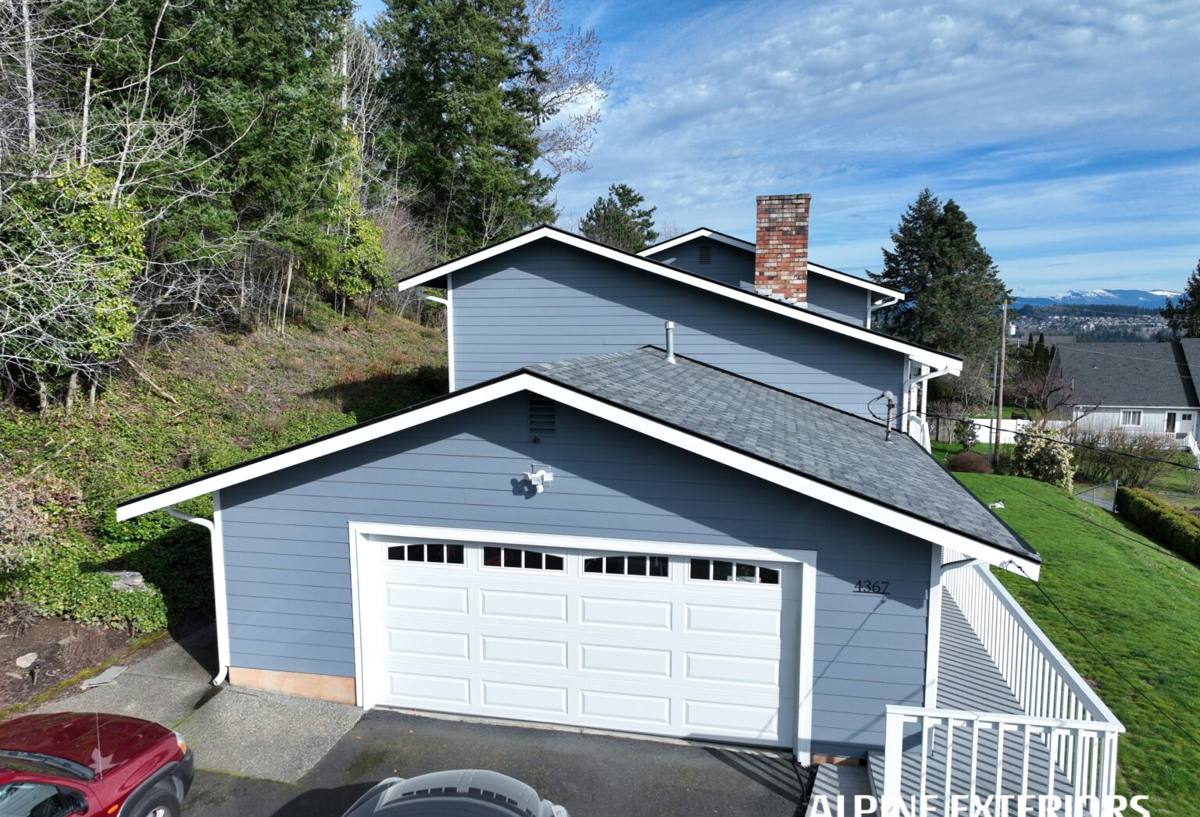
Square footage is the obvious one, but complexity often matters more than raw size. A simple gable roof with two planes is fast to tear off and fast to install. A roof with multiple valleys, dormers, hips, skylights, and chimneys takes far more labor per square foot — more cutting, more flashing detail, more places where water can find a way in if the work isn't done right. Two houses with identical square footage can have very different roofing bills once you account for cut-up versus simple rooflines.
2. Roof Pitch and Access
A steep roof is slower and more dangerous to work on, which shows up in labor cost. Crews need more fall-protection setup, more time moving materials safely, and in some cases specialized equipment just to stage the job. Access matters too — a roof that's easy to reach with a driveway conveyor is cheaper to strip and load than one buried behind trees or on a tight lot where everything has to be carried by hand.
3. Tear-Off and Layers
If your existing roof is down to one layer of aging composition shingle, tear-off is straightforward. If a previous owner layered a second roof on top instead of stripping the first (common on older Whatcom County homes), that's double the tear-off labor and double the disposal weight. Full tear-off to bare decking is the only way to properly inspect and repair the deck underneath, which matters more here than in drier climates because hidden moisture damage is a real possibility under an old roof that's been absorbing coastal rain for decades.
4. Decking Condition
You don't know what's under the old shingles until they come off. Rotted or delaminated plywood sheathing has to be replaced before new roofing goes down — installing over bad decking just guarantees a problem down the road. A reasonable contract should spell out a per-sheet replacement price up front so a few bad sheets don't turn into a surprise change order.
5. Material Choice
This is the single biggest lever a homeowner controls directly. Standard three-tab asphalt shingles sit at the low end. Architectural (dimensional) asphalt shingles cost more but last longer and handle wind and rain better. Metal roofing costs more up front but can outlast two or three asphalt roofs. Synthetic and premium designer shingles fall somewhere in between, trading price for appearance or durability.
6. Ventilation and Insulation Work
A roof replacement is the natural time to fix ventilation problems — ridge vents, soffit vents, baffles — because the roof deck is already exposed. Skipping this to save money up front is a common mistake in wetter climates: poor attic ventilation traps moisture, which accelerates rot and encourages the same moss and algae growth that's already a fight on the outside of the roof.
Cost Factors at a Glance
| Factor | Lower Cost End | Higher Cost End |
|---|---|---|
| Roofline | Simple gable, few penetrations | Multiple valleys, dormers, skylights, chimneys |
| Pitch | Low slope, easy footing | Steep pitch requiring extra fall protection |
| Tear-off | Single existing layer | Multiple layers, heavy disposal load |
| Decking | Sound plywood, minimal replacement | Widespread rot or delamination |
| Material | Standard asphalt shingle | Metal, premium architectural, or designer shingle |
| Access | Driveway staging, easy loading | Difficult lot access, tree cover, hand-carry |
What Chuckanut's Climate Adds to the Equation
Whatcom County roofs work harder than roofs in a dry, low-humidity climate, and that shows up in a few specific ways worth budgeting for.
Salt Air and Corrosion
Homes closer to the water deal with airborne salt that accelerates corrosion on exposed metal — flashing, fasteners, gutter hardware, and any metal roofing components. It's worth asking a contractor what grade of flashing and fastener they use and whether it's rated for coastal exposure. Paying slightly more for corrosion-resistant metal components up front is cheaper than replacing failed flashing in ten years.
Driving Rain and Water Management
Chuckanut sees long stretches of wind-driven rain, which pushes water sideways and upward under normal circumstances a drier climate roof would never encounter. This makes underlayment quality and flashing detail at every valley, wall intersection, and penetration more important here than in a dry climate — corners that get cut on flashing work in Arizona will fail on the coast in Washington a lot faster.
Moss Season
A long, damp moss season is close to a year-round condition on north-facing and heavily shaded roof planes in this region. Moss holds moisture against the roofing material, degrades shingle granules faster, and can work its way under shingle edges over time. Zinc or copper strips near the ridge, adequate ventilation, and periodic moss treatment all extend a roof's real service life here — and are worth discussing with your contractor as part of the job, not as an afterthought.
Labor vs. Material: Where the Money Actually Goes
On most roofing jobs, labor makes up a larger share of the bid than most homeowners expect — often somewhere near half the total cost, sometimes more on complex or steep roofs. That's because roofing is fundamentally a skilled trade done by hand, one course at a time, with weather-critical detail work at every flashing point. When a bid looks unusually low, the difference is rarely coming out of material cost — it's much more often coming out of labor: fewer workers, faster (and sloppier) install pace, or skipped steps like ice-and-water shield in vulnerable areas.
Warranty Structure and What It's Actually Worth
Roofing warranties come in layers, and understanding them helps you compare bids honestly.
- Manufacturer material warranty — covers defects in the shingle or metal itself, typically prorated after an initial period.
- Manufacturer workmanship warranty — only available through certified installers, and only if installation meets the manufacturer's specifications exactly.
- Contractor labor warranty — the installing company's own guarantee on their workmanship, independent of the manufacturer.
A cheap bid with no contractor labor warranty is a different product than a higher bid backed by a real workmanship guarantee, even if the shingle brand on the invoice is identical.
Questions Worth Asking Before You Sign
- Is this a full tear-off to bare decking, or an overlay?
- What's the per-sheet price for decking replacement if rot is found?
- What underlayment and ice-and-water shield are included, and where will it be installed?
- What flashing material is being used, and is it rated for coastal/salt-air exposure?
- Is ventilation being addressed, or just the roofing surface?
- What does the written contractor labor warranty actually cover, and for how long?
- Is the crew direct employees or subcontracted, and who is on site supervising?
- What's the plan for moss-prone areas of the roof?
Getting an Honest Comparison Between Bids
The most useful thing you can do with multiple quotes isn't to compare the bottom-line number — it's to make sure each bid is actually pricing the same scope of work. Ask each contractor to itemize tear-off, decking allowance, underlayment, material, flashing, ventilation work, and disposal separately. Once you line those up side by side, the real differences in what you're being offered usually become obvious, and the lowest number on the page often stops looking like the best deal.
If you'd like a clear, itemized look at what a roof replacement would actually involve on your specific home in Chuckanut, we're happy to walk the roof with you and put together a straightforward, no-pressure estimate — no vague allowances, no surprise change orders.