 Chuckanut Exterior
 Building Decks for Edison Homes Near Chuckanut
Edison sits in that stretch of farmland and tidal flats where the air off the water and the fields blur together, and that combination is tougher on outdoor wood and composite structures than most homeowners expect. A deck built here has to handle salt-laden air drifting in off the bay, long stretches of driving rain through fall and winter, and a moss season that can start creeping across shaded boards before the holidays are even over. We've built and repaired decks throughout this part of Whatcom County long enough to know which details matter here and which ones are just marketing.
This page is specifically about deck building for homes in and around Edison — not a general overview of decks everywhere. If you're weighing a new deck, a rebuild, or a major repair, this is what we'd walk you through in person.
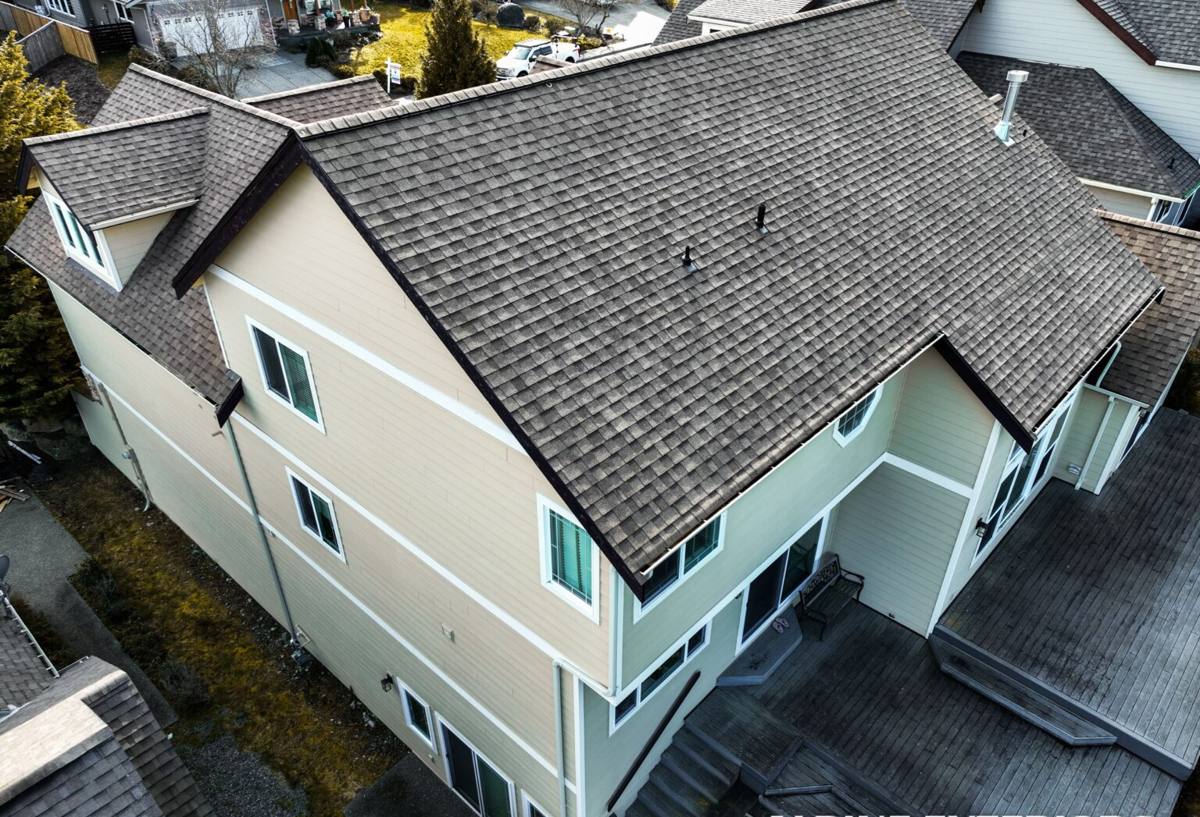
What the Edison Climate Actually Does to a Deck
Three things drive almost every deck problem we see out this way:
Salt Air
Homes near the water pick up airborne salt that settles on every exposed surface. Over years, that accelerates corrosion on fasteners, hinges, and any exposed metal hardware. A deck built with the wrong fasteners can develop rust streaks and weakened connections well before the boards themselves show real wear.
Driving Rain
Rain here doesn't just fall — wind pushes it sideways and up under boards, into ledger connections, and along any exposed end grain. Standing water and trapped moisture are the root cause of most deck rot and structural failures we get called out to fix. It's rarely the flat, open part of the deck that fails first — it's the hidden joints and connections that don't dry out between storms.
Moss and Sustained Shade
Between tree cover, fog, and the sheer number of overcast days, moss and algae get a long runway to establish on any deck surface that doesn't get regular sun and airflow. Left alone, moss holds moisture against the wood surface, which speeds up rot and turns boards slick and dangerous underfoot.
What a Correctly Built Deck Looks Like Out Here
A deck that's going to hold up in this environment isn't just about picking a nice-looking board. It comes down to a handful of decisions made before the first post goes in the ground.
Framing and Fasteners
We use stainless or heavy hot-dip galvanized fasteners and hardware rated for coastal and high-moisture exposure, not the standard-grade hardware that's fine further inland. We also pay close attention to ledger board flashing where the deck attaches to the house — that connection is the single most common source of hidden rot on decks we've opened up for repair.
Footings and Post Bases
Ground contact near tidal flats and low-lying farmland can mean higher moisture content in the soil than homeowners assume. We set footings to proper frost and bearing depth for this area and use post bases that keep wood posts elevated off concrete, so water doesn't wick straight up into the post end grain.
Decking Material Selection
There's no single "best" decking material for every Edison property — it depends on your budget, how much sun the deck gets, and how much maintenance you actually want to do. We'll walk through the honest trade-offs rather than push whatever has the best margin.
Drainage and Airflow Under the Deck
A deck built tight to the ground with no airflow underneath will hold moisture and grow moss faster, no matter what material is on top. Where grading allows, we build in enough clearance and slope for water to actually move away from the structure instead of pooling underneath it.
Decking Material Comparison for This Climate
| Material | Moisture Resistance | Moss/Algae Behavior | Maintenance | Typical Lifespan Here |
|---|---|---|---|---|
| Pressure-treated wood | Good if sealed and maintained | Needs regular cleaning to resist buildup | Annual cleaning, re-sealing every 2-3 years | 15-20 years with upkeep |
| Cedar | Naturally decay-resistant, still needs sealing | Sheds moss better than PT pine if kept clean | Sealing every 1-2 years, periodic cleaning | 15-25 years with upkeep |
| Composite decking | Excellent — won't rot or absorb water | Can still grow surface algae in shade; needs occasional washing | Periodic washing, no sealing/staining | 25-30+ years, manufacturer-dependent |
| PVC decking | Excellent — fully moisture-proof | Resists staining well; still benefits from washing | Low — occasional washing | 25-30+ years, manufacturer-dependent |
None of these materials are "set it and forget it" in this climate — the difference is how much maintenance each one demands and how forgiving it is if that maintenance slips a year.
Our Process for a New Deck Build
- On-site assessment. We look at sun exposure, drainage, existing grade, and how close the property is to tidal air, then talk through material options that make sense for that specific spot.
- Design and layout. We plan framing, footing locations, and any stairs or railing to match how you'll actually use the space, and to keep water moving away from the house.
- Permitting. Deck projects in Whatcom County often require permits depending on size, height, and attachment to the structure — we handle that process rather than leaving it on you.
- Framing and structural work. This is where the coastal-grade fasteners, proper ledger flashing, and correct footing depth all get built in — the parts you won't see once the decking goes down.
- Decking, railing, and finish work. Boards, railing, stairs, and any fascia or trim get installed to manufacturer spec, including proper fastener spacing and gapping for seasonal wood movement.
- Final walkthrough. We go over basic care — cleaning schedule, what to watch for, and, if applicable, sealing or staining timelines — so you're not guessing at maintenance later.
Repair, Rebuild, or Replace?
Not every deck problem means starting over. When we're called out to an existing Edison deck, we're usually checking a few specific things:
- Soft or spongy spots in decking boards, especially near the house or in shaded areas
- Rust staining or loose fasteners around ledger boards and post bases
- Moss or algae buildup that's gone past surface staining into slick, slippery footing
- Gaps or movement at the ledger board connection to the house
- Posts that feel loose or footings that have shifted or heaved
- Railing that flexes more than it should under normal weight
Sometimes the fix is targeted — replacing a section of decking, re-flashing a ledger connection, swapping corroded hardware. Other times the framing has enough hidden damage that a rebuild is the honest recommendation. We'll tell you which situation you're in and why, rather than defaulting to the bigger job.
Railings, Stairs, and Code Considerations
Railing height, baluster spacing, and stair geometry are governed by building code, and inspectors in this county do check them. Beyond code minimums, we also think about how railing design holds up to the same salt air and rain exposure as the decking itself — metal railing components need the same corrosion-resistant hardware as the frame underneath, and wood railings need the same maintenance plan as wood decking. Stairs get extra attention to footing and drainage since they're often the first part of a deck to show wear from repeated foot traffic combined with standing water.
Why a Crew That Already Works Edison Matters
A deck contractor who mostly works drier, inland areas can still build a technically sound deck — but they may not default to coastal-grade fasteners, may not think twice about ledger flashing in a high-rain zone, or may not factor moss exposure into material recommendations. We work this stretch of Skagit and Whatcom County regularly, so those aren't extra considerations we have to remember — they're just how we build here by default. We also know the county's permitting expectations for deck work, which keeps projects from stalling on paperwork.
Maintenance That Actually Matters Here
Whatever material you choose, a few habits go a long way in this climate:
- Clear leaves and debris from between boards before they trap moisture through fall and winter
- Wash down moss and algae buildup at least once a year, more often in heavily shaded spots
- Check railing and stair connections annually for looseness or corrosion
- Reseal or restain wood decking on the schedule the product calls for — don't stretch it out
- Keep gutters and downspouts near the deck clear so runoff isn't dumping directly onto it
Let's Talk About Your Deck
If you're planning a new deck, weighing a repair versus a rebuild, or just want an honest read on what your current deck needs, we're glad to take a look. We'll give you a straightforward assessment and a free, no-pressure estimate using the form below.