 Chuckanut Exterior
 Building and Maintaining Homes Around Lake Samish
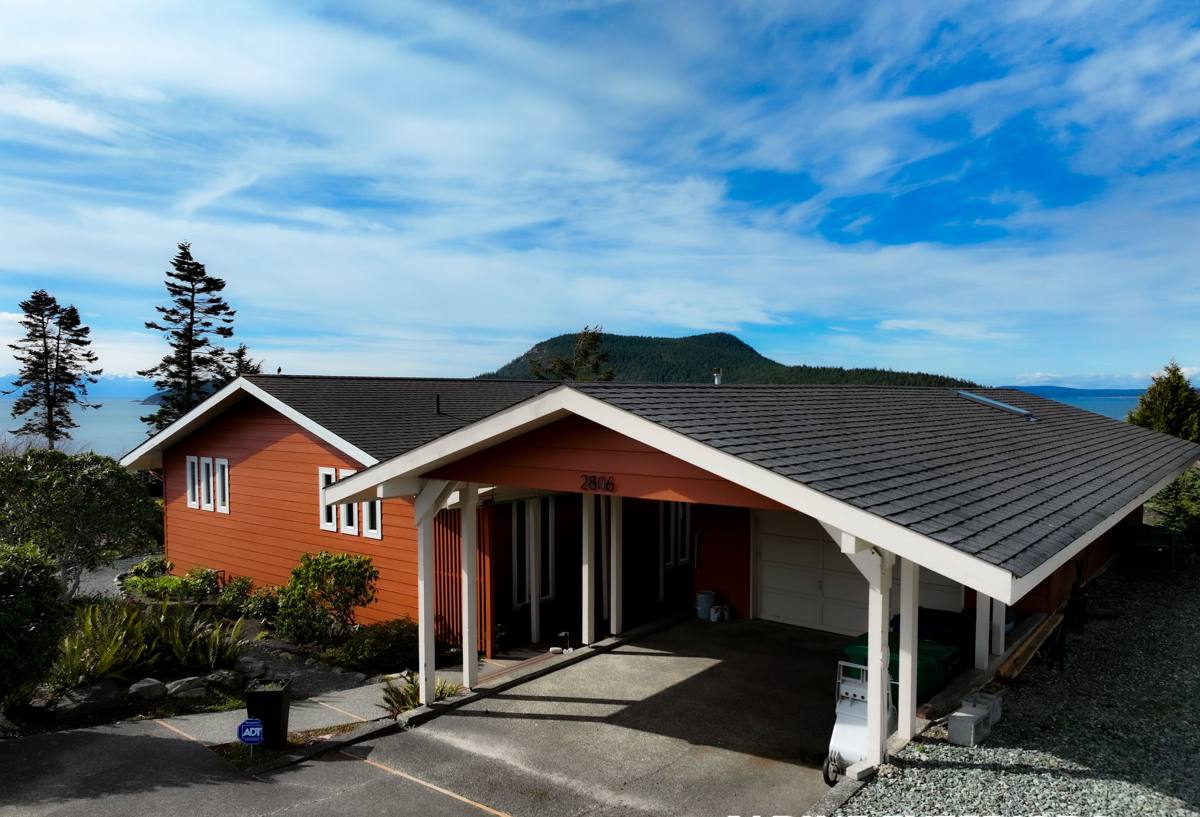
Lake Samish sits in a pocket of Whatcom County where the terrain does a lot of the talking. Homes here are tucked against timbered slopes, perched near the shoreline, or set back in the trees along the lake's quieter coves. That setting is a big part of why people live here, but it's also why exteriors in this area take a specific kind of beating. Between the moisture that rolls off the lake, the shade thrown by mature evergreens, and the wind that funnels through the valley off the Chuckanut ridgeline, siding, roofing, windows, and decks all have to work harder here than they would on a flat, open lot in town.
Chuckanut Exterior Companies works this area regularly, and the patterns repeat from house to house: moss creeping across north-facing roof slopes, siding that stays damp longer than it should after a storm, deck boards that never fully dry out between rains, and window frames that show wear years before they should. None of that is unusual for the Lake Samish area — it's just what the climate does. The question is whether the materials and installation on a given home are built to handle it.
What the Climate Actually Does to Exteriors Here
Moisture That Doesn't Let Up
Whatcom County gets a long, wet stretch from fall through spring, and lakeside and tree-shaded lots hold onto that moisture longer than open, sunny sites. Homes around Lake Samish often sit in partial shade for much of the day, which means siding, trim, and deck surfaces don't get the drying time that a home in a more open location would. Materials that absorb water or swell when wet are the ones that struggle most in this kind of setting.
Driving Rain and Wind
The valley around the lake channels wind in ways that push rain sideways into wall assemblies, especially on gable ends and around window and door openings. Driving rain finds gaps in flashing, caulking, and siding laps that a calmer climate would never expose. This is where installation quality matters as much as the material itself — a good product installed loosely will still let water in.
Moss, Algae, and Organic Growth
With shade, moisture, and mild temperatures for most of the year, Lake Samish is close to ideal growing conditions for moss and algae. Roofs are the most visible casualty, but moss and mildew also show up on siding, especially on north- and east-facing walls that stay shaded and damp the longest. Left unchecked, that organic growth holds moisture against the surface underneath it, which accelerates whatever damage is already happening.
Salt Air Influence
While Lake Samish itself is freshwater, the broader Chuckanut and Whatcom County corridor sees marine air move inland off the Salish Sea. That salt-laden air contributes to faster corrosion of exposed metal — fasteners, flashing, gutters — and can accelerate the breakdown of paint and lesser sealants over time. It's a slower effect than moss or standing water, but it adds up over the life of a roof or siding system.
Siding for Lake Samish Homes
Siding takes the brunt of the moisture and shade issues described above, which is why we standardized on James Hardie fiber cement siding and don't install vinyl, LP SmartSide, or cedar. Each of those alternatives has real trade-offs that show up faster in a climate like this one:
- Vinyl siding can warp or bow with temperature swings and doesn't hold paint if a homeowner ever wants to change the color; damp, shaded conditions also make it more prone to mildew staining in the seams.
- LP SmartSide is engineered wood, and engineered wood needs consistent drying time between wet cycles to perform — something shaded, lake-adjacent lots don't always provide.
- Cedar is a beautiful, traditional material, but it requires ongoing sealing and staining to resist moisture and rot, and moss-friendly conditions like Lake Samish's shorten the maintenance window considerably.
James Hardie fiber cement is non-combustible, dimensionally stable in wet-dry cycles, and comes with a factory-applied ColorPlus finish that resists fading and doesn't require repainting on the same schedule as wood. Hardie also builds specific product lines engineered for different climate exposures, so a home on an exposed lakeside lot can be specified differently than one tucked back in the trees. It's not the cheapest siding on the market, but for a climate that punishes moisture-sensitive materials, it holds up in a way that pays off over the life of the home.
How a Siding Job Runs Here
On a Lake Samish property, siding work typically starts with an inspection of the existing wall assembly — checking for trapped moisture, soft sheathing, and flashing condition around windows and doors, since those are the areas most exposed to driving rain in this valley. From there we plan for proper weather-resistive barrier installation, correct flashing details, and Hardie's specified fastening pattern, which matters more in high-wind, high-moisture settings than it does in a mild, dry climate.
Roofing Around the Lake
Roofs here deal with the moss problem more than almost anything else. Shaded, north-facing slopes are the first to show growth, and once moss establishes itself it holds moisture against shingles and accelerates granule loss. We look at ventilation, underlayment condition, and valley and flashing details as closely as we look at the shingles themselves, since a roof that's shedding water correctly but trapping heat and moisture underneath will still fail early. Gutter and downspout capacity matters too — with the volume of rain this area sees, undersized or clogged gutters push water back toward the roof edge and fascia instead of away from the house.
Windows
Window performance in this climate comes down to two things: how well the unit itself resists moisture and drafts, and how well it's flashed and sealed into the wall. Older single-pane or poorly sealed windows around Lake Samish tend to show condensation, fogging between panes, and soft trim well before windows of the same age in drier parts of the county. When we replace windows here, correct flashing integration with the siding is as important as the window unit itself — it's the same driving-rain problem that affects siding, just concentrated at the rough opening.
Decks
Decks around the lake face a longer wet season and, on shaded lots, more time spent damp between rains. That combination is hard on wood decking and hardware — boards cup, fasteners corrode faster, and ledger connections need careful flashing to keep water from getting behind the house at the deck attachment point. Composite decking has become a common upgrade for exactly this reason: it doesn't absorb water the way wood does, and it holds up better against the moss and algae that develop on shaded surfaces. Whatever material a homeowner chooses, proper ledger flashing and joist protection make the biggest difference in how long the structure lasts.
Comparing Common Exterior Materials in This Climate
| Material | Moisture Behavior in Shade/Damp Conditions | Maintenance Load |
|---|---|---|
| James Hardie fiber cement siding | Dimensionally stable, resists moisture-driven warping | Low — factory finish, occasional wash |
| Vinyl siding | Can warp with temperature swings; seams trap moisture/mildew | Low, but cannot be repainted or repaired invisibly |
| LP SmartSide (engineered wood) | Needs consistent drying time; wood-based, moisture sensitive | Moderate — coating maintenance required |
| Cedar siding | Absorbs moisture; prone to rot and moss without upkeep | High — regular sealing/staining needed |
| Composite decking | Resists moisture absorption, sheds moss/algae more easily | Low — periodic cleaning |
| Untreated/sealed wood decking | Absorbs moisture, cups and swells in wet-shade cycles | High — annual sealing recommended |
Why a Local Crew Matters Here
A contractor who mostly works flat, open lots in town isn't necessarily thinking about shade patterns, wind funneling through a valley, or how close a home sits to the water. Working Lake Samish and the surrounding Chuckanut area regularly means knowing which walls take the worst of the driving rain, which rooflines hold moss longest, and where flashing details tend to fail first on homes built to older codes. That local pattern recognition shapes how we sequence a job, what we flag during an inspection, and which product specifications we recommend for a given lot.
Signs Your Exterior Is Losing the Fight
- Moss or algae staining that returns within a season of cleaning, especially on shaded roof slopes or walls
- Siding that feels soft, bubbled, or stays visibly damp long after a storm has passed
- Paint or finish that's peeling, chalking, or fading faster than expected for its age
- Window frames with soft wood, fogging between panes, or persistent condensation
- Deck boards that are cupping, graying unevenly, or have corroded fasteners
- Gutters that overflow during heavy rain or show separation from the fascia
- Musty smells near exterior walls, which can indicate moisture getting behind siding or flashing
Planning an Exterior Project Around the Lake
Because moisture exposure varies so much from lot to lot around Lake Samish — a home in full shade near the water faces different conditions than one on a higher, more open site — we start every project with a straightforward walk-through of the specific property. That's where we identify which sides of the house take the worst weather, check for any existing moisture damage, and talk through material choices that match the site rather than a one-size-fits-all recommendation. For siding, that almost always means James Hardie, specified with the flashing and fastening details this climate calls for. For roofing, windows, and decks, it means matching the product and installation approach to how much sun, shade, and driving rain that particular part of the house actually sees.
If you're weighing a siding, roofing, window, or deck project on a Lake Samish property, we're happy to take a look and talk through what we're seeing and what it would take to fix it. Reach out for a free, no-pressure estimate using the form below.