 Chuckanut Exterior
 Exterior Work Built for Happy Valley's Conditions
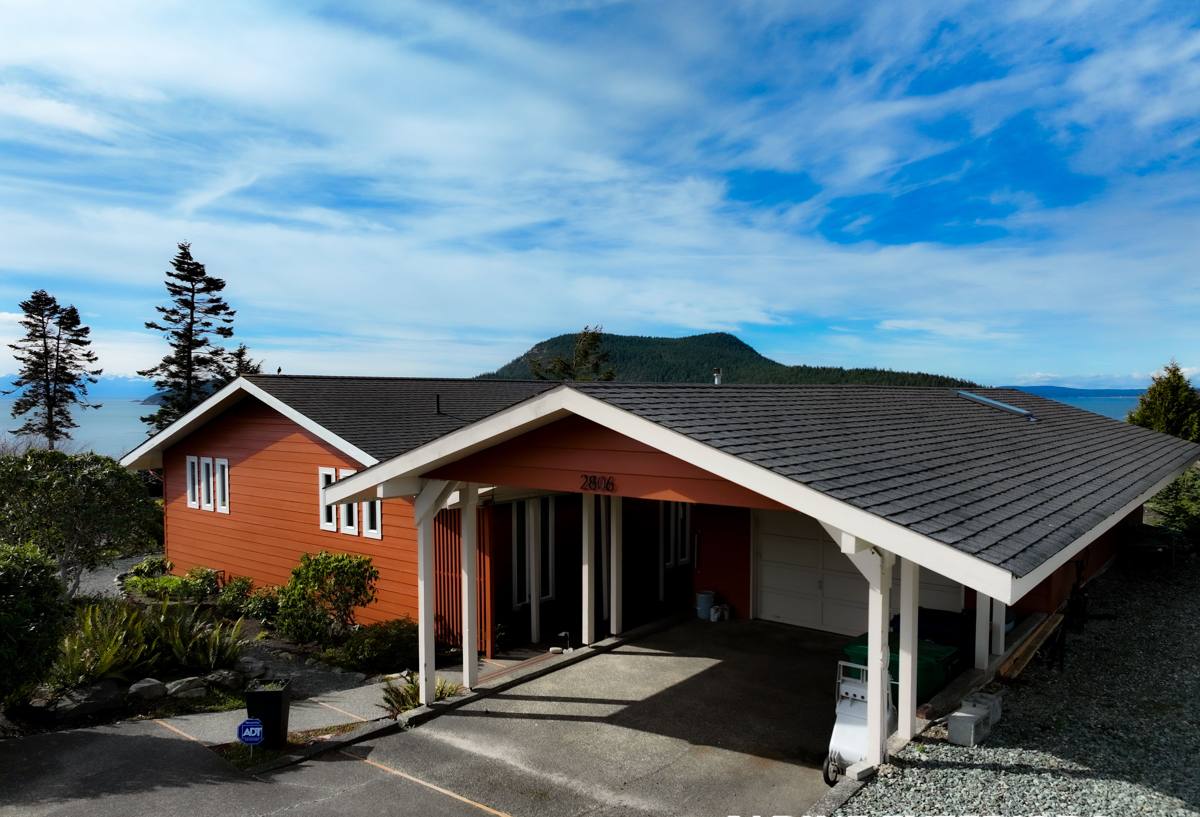
Happy Valley sits close enough to the water and the tree line that its homes take a different kind of beating than houses further inland in Whatcom County. Salt-laden air moves in off the Chuckanut shoreline, driving rain comes in sideways during fall and winter storms, and the heavy tree canopy that makes the neighborhood so pleasant to live in also means shade, damp air, and moss that never fully gets a break to dry out. None of that is unusual for this part of Washington, but it does mean exterior materials and workmanship here have to be chosen and installed with those specific stresses in mind, not just picked off a shelf because they're common elsewhere in the country.
Chuckanut Exterior Companies works on homes throughout this stretch of Whatcom County, and Happy Valley is one of the areas where we see the clearest pattern: houses that were built or re-sided with materials suited to a drier, milder climate tend to show problems years before they should. Siding that swells, roofing that stays wet longer than it should, window frames that let moisture creep in around the trim — it's almost always a mismatch between the product, the installation, and the actual weather the house lives in.
What the Local Climate Actually Does to a House
Salt Air and Corrosion
Proximity to saltwater doesn't just mean the occasional salty breeze — it means a slow, constant exposure that accelerates corrosion on fasteners, flashing, and any exterior material that isn't rated to handle it. Over years, this shows up as rust streaking down siding, pitted or failing metal flashing, and fastener heads that back out or corrode before the material around them has even started to wear.
Driving Rain
Whatcom County doesn't just get a lot of rain — during fall and winter storms it often comes in at an angle, driven by wind off the water. That matters because driving rain finds every gap in a building envelope that vertical rain would never reach: under-lapped siding joints, poorly flashed window heads, roof valleys with marginal underlayment. A house can look fine in a light drizzle and still be taking on water during a real storm.
The Long Moss Season
Shade from mature trees plus consistent damp air adds up to a moss and lichen season that, in Happy Valley, can run most of the year rather than just a few winter months. Moss holds moisture against roofing and siding surfaces long after the rest of the neighborhood has dried out, which accelerates rot in wood-based products and can work its way under shingles and shakes over time.
Siding: Why We Only Install James Hardie
Siding is the single biggest factor in how well a house's exterior holds up here, and it's also where we've drawn a hard line as a company. Chuckanut Exterior Companies installs James Hardie fiber cement siding exclusively. We don't install vinyl, LP SmartSide, Cemplank, Allura, or unprimed cedar or spruce products — not because those products don't have a place somewhere, but because we've made a professional decision about what performs reliably under Happy Valley's specific combination of salt air, driving rain, and heavy moss exposure, and we'd rather stand behind one system we know well than offer several we have reservations about.
Fiber cement is non-combustible and dimensionally stable, meaning it doesn't expand and contract with moisture the way wood-based siding does, and it doesn't soften or delaminate the way some engineered wood products can if a seam or cut edge stays wet too long. James Hardie's ColorPlus factory finish is baked on rather than field-applied, which matters in a climate where repainting every few years isn't something most homeowners want to sign up for. Hardie also engineers regional product lines (HZ5 and HZ10) specifically for climate zones like ours, and backs the material with a strong, transferable warranty — something that carries real weight if you sell the house down the road.
We're upfront that Hardie siding costs more upfront than vinyl or engineered wood alternatives, and it's heavier and more particular to install correctly — it demands proper fastening, clearances, and caulking details that a rushed crew can easily get wrong. That's exactly why installation quality matters as much as the product choice itself.
Siding Options Compared for This Climate
| Material | Moisture Behavior Here | Salt Air Durability | Maintenance |
|---|---|---|---|
| James Hardie fiber cement | Dimensionally stable, doesn't swell or rot | Strong; factory finish resists fading and salt exposure | Low — occasional wash, no repainting cycle |
| Vinyl | Can warp or crack under temperature swings; seams can let water behind panels | Fasteners and trim pieces prone to corrosion over time | Low but limited repair options if damaged |
| LP SmartSide / engineered wood | Vulnerable at cut edges and seams if moisture gets in | Moderate; depends heavily on caulking upkeep | Moderate — edge sealing and paint touch-up needed |
| Cedar / primed spruce | Absorbs moisture readily; prone to rot in shaded, damp areas | Weathers but needs consistent refinishing | High — regular staining or painting required |
Roofing for Wet, Shaded, Moss-Prone Roofs
A roof in Happy Valley needs to shed a lot of water quickly and resist the moss growth that shade and damp air practically guarantee. We look closely at underlayment quality, valley flashing, and ventilation — a roof that traps warm, humid air underneath it will grow moss and algae faster and see its materials degrade sooner, regardless of what's on top. Proper ridge and soffit ventilation, correctly lapped flashing at every valley and penetration, and materials suited to sustained damp exposure all matter more here than in drier parts of the state.
We also talk with homeowners honestly about moss management as an ongoing reality rather than a one-time fix. Tree cover that shades a roof for most of the day isn't something a re-roof solves by itself — it's a maintenance factor that should shape how often the roof gets inspected and cleaned, and what materials make that upkeep easier rather than harder.
Windows: Where Driving Rain Finds the Gaps
Window failures in this climate are rarely about the glass — they're almost always about flashing and installation. Driving rain pushes water sideways and upward in ways that a poorly flashed window head or sill will eventually let through, even if the window unit itself is high quality. When we replace windows, the flashing details and integration with the siding system get as much attention as the window unit itself, because that's where the actual water management happens. We also look at how existing window openings have weathered — deteriorated sills or trim around older windows are often a sign of moisture that's been getting in for a while, not just cosmetic wear.
Decks: Built for Damp, Shaded Ground
Decks in Happy Valley deal with the same shade and dampness that drives the moss problem on roofs and siding, plus direct ground moisture and standing water if drainage under the deck isn't handled well. Ledger board attachment, joist protection, and proper spacing for airflow underneath all matter more here than in a drier climate, because wood that stays damp against the house or the ground for extended periods is wood that rots faster. We build and repair decks with attention to how water actually moves off and around the structure, not just how the surface boards look when the job wraps up.
Signs Your Exterior Is Losing the Fight
- Persistent moss or algae streaking on siding, especially on north-facing or shaded walls
- Soft or spongy spots on deck boards, railings, or fascia trim
- Paint bubbling, peeling, or repeatedly failing in the same spots
- Rust streaking below fasteners, flashing, or metal trim pieces
- Interior signs — water stains, musty smell, or soft drywall near exterior walls or windows
- Shingles or shakes that stay visibly damp long after the rest of the roof has dried
- Gaps or separation at siding joints, window trim, or corner boards
Why a Local Crew Matters Here
A lot of exterior problems in Whatcom County trace back to work done by crews who mostly build in drier climates and treat coastal Washington conditions as an afterthought. Flashing details that are optional in Arizona are not optional in Happy Valley. A crew that works this area regularly knows which walls take the worst of the driving rain, which roof sections stay shaded long enough to grow moss year-round, and how salt air changes the calculus on fasteners and trim. That local knowledge shows up in the small decisions — where extra flashing goes, how tight the caulking schedule needs to be, which product lines actually hold up — more than in anything that shows up on a glossy brochure.
What to Expect Working With Us
We assess the house as a system rather than quoting siding, roofing, windows, and decks as unrelated line items. Water management on one part of the exterior affects every other part — a roof that sheds water poorly puts more load on siding and trim below it, and siding installed without attention to window flashing creates problems that show up years later, not on day one. Our estimates walk through what we're seeing on the specific house, why it matters in this climate, and what a correct fix or installation actually involves, not just a price.
Questions Worth Asking Before You Hire
| Question | Why It Matters in Happy Valley |
|---|---|
| What siding and roofing brands do you install, and why? | Reveals whether the contractor has a real standard or just installs whatever's cheapest to source |
| How do you handle flashing at windows and roof valleys? | This is where driving rain damage actually starts — vague answers are a red flag |
| Do you work in this specific area regularly? | Crews unfamiliar with coastal Whatcom conditions often underbuild for the climate |
| What warranty comes with the material versus the labor? | Material and installation warranties are different — you need both explained clearly |
If your home in Happy Valley is showing any of the wear signs above, or if you're planning ahead for a re-side, roof replacement, window upgrade, or deck project, we're happy to take a look and walk through what we're seeing. Reach out for a free, no-pressure estimate using the form below.