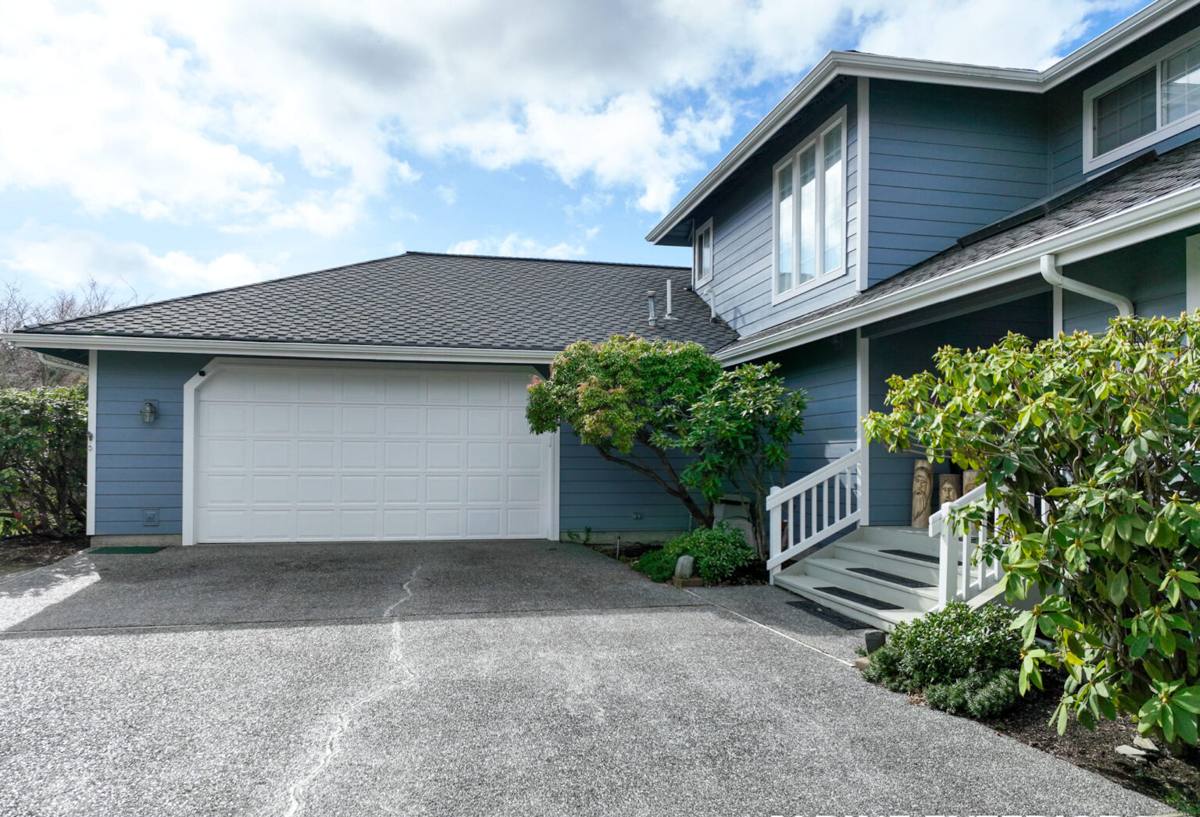
 Chuckanut Exterior
 Deck Building in Mount Vernon: What the Climate Demands
Homes in and around Mount Vernon deal with a specific combination of conditions that a lot of generic deck-building advice doesn't account for. Salt-laden air drifting in off the water, long stretches of driving rain through fall and winter, and a moss season that can run most of the year all put real stress on an outdoor structure. A deck built to a national average spec, without accounting for Whatcom County's weather pattern, tends to show problems within a few years — soft spots, corroded hardware, slick surfaces, and rail posts that loosen before their time.
Building a deck correctly here isn't about upgrading everything to the most expensive option. It's about choosing the right materials and details for the specific ways this climate attacks a structure, and skipping the shortcuts that only cause trouble once the wet season sets in.
How Local Conditions Actually Damage a Deck
Driving Rain and Standing Moisture
Rain here rarely falls straight down — wind pushes it sideways into ledger connections, under railings, and into any gap in the decking. A deck that isn't detailed to shed water away from the house, and away from fasteners, will trap moisture in exactly the spots you can't see until the damage is already done.
Salt Air and Corrosion
Proximity to salt water in this part of Washington accelerates corrosion on anything that isn't rated for it. Standard zinc-coated screws and generic joist hangers can start rusting and staining decking within a couple of seasons. Once a fastener corrodes, it loses holding strength long before it looks obviously bad.
Moss and Algae Growth
A long moss season means any horizontal surface that stays damp — decking boards, stair treads, the tops of railings — becomes a growth surface if it isn't ventilated and sloped to drain. Beyond the mess, moss and algae make a deck surface genuinely slippery, which is a safety issue, not just a cosmetic one.
What a Correctly Built Deck Involves Here
A deck that's going to hold up under these conditions needs the right approach at every layer, not just a nice-looking surface board.
Ledger Flashing and Attachment
Where the deck attaches to the house is the single most common failure point in this climate. Proper step flashing, a water-resistive barrier detail, and correctly spaced structural fasteners keep water from working its way behind the siding and into the rim joist. This is the detail most likely to get rushed on a low-bid job, and the one most expensive to fix later since it often means opening up siding to repair rot.
Framing and Footings
Footings need to go below frost depth and bear on undisturbed or properly compacted soil — this region's mix of clay and looser fill soils in different spots means we don't assume one footing size fits every lot. Joists and beams should be sized for the actual span and load, not just "what's always worked," and any wood framing benefits from a ground-contact rated treatment given how long the ground stays saturated here.
Fasteners and Hardware
Given the salt air, we treat stainless steel or heavy hot-dip galvanized fasteners and hardware as the standard, not an upgrade. Mixing metals (say, a coated screw in an aluminum bracket) sets up galvanic corrosion that eats hardware from the inside, so matching fastener and hardware metals correctly matters more here than in a drier inland climate.
Decking Material Choices
There's no single "best" decking material — each comes with real trade-offs for maintenance, moisture behavior, and upfront cost. Here's how the common options actually compare for a Mount Vernon-area deck:
| Material | Moisture Behavior | Maintenance | Typical Lifespan |
|---|---|---|---|
| Pressure-treated wood | Absorbs and releases moisture; needs a finish to control cupping and checking | Annual cleaning; refinish every 2-3 years | 15-20 years with upkeep |
| Cedar | Naturally rot-resistant but still needs sealing against constant rain exposure | Regular cleaning and periodic sealing | 15-20 years with upkeep |
| Composite decking | Doesn't absorb water like wood, but lower-quality boards can trap moisture at the core if not capped | Periodic washing to prevent surface algae/moss | 25-30 years |
| PVC/cellular decking | Fully moisture-resistant, doesn't support rot | Occasional washing | 25+ years |
We'll walk through which option fits your budget and how the deck will actually be used — a lot of the "right" choice comes down to how much upkeep you want to do versus pay for upfront.
Common Problems We're Called Out to Fix
A lot of our Mount Vernon-area deck work is repair or rebuild driven by the same recurring issues:
- Soft, spongy decking near the house where the ledger connection was never properly flashed
- Rusted or corroded joist hangers and screws causing visible staining and loose connections
- Railing posts that have loosened because the post-to-frame connection wasn't built for long-term wet exposure
- Persistent moss and algae buildup on boards that don't get enough airflow underneath
- Stairs that become dangerously slick every fall and winter
Most of these are preventable with correct detailing the first time. When we're called in on an existing deck, we look at whether it's a maintenance fix or a sign the underlying structure needs to be addressed.
Our Deck Building Process
1. On-Site Assessment
We look at the site itself — slope, drainage, sun and wind exposure, soil condition, and how the deck will tie into the house — before recommending a design or material.
2. Design and Material Selection
We walk through the honest trade-offs between decking materials, railing systems, and finishes so you're choosing based on how you'll use the space and how much maintenance you want to take on, not just what looks good in a brochure.
3. Permitting
Most new decks and many deck rebuilds in this area require a permit, particularly once you're dealing with structural framing, footings, or a deck attached at a certain height above grade. We handle the permit process rather than leaving it to the homeowner to figure out.
4. Construction
Framing, flashing, and fastening are done to the standards above, with inspections built into the schedule at the points that matter — footings, framing, and final.
5. Final Walkthrough
Before we call the job done, we walk the deck with you, cover basic care for whatever material you chose, and make sure you know what normal seasonal maintenance looks like versus something that should get a call back to us.
Maintenance for a Long Moss Season
Whatever material you choose, a deck in this climate needs some seasonal attention to stay safe and look good. A short, realistic maintenance routine:
- Sweep off leaves and debris regularly through fall so they don't trap moisture against the boards
- Wash the deck surface at least once or twice a year to remove early moss and algae before it takes hold
- Check railings and stair treads periodically for any looseness or slipperiness
- Keep gutters and downspouts near the deck clear so runoff isn't dumping extra water onto the structure
- Reseal or refinish wood decking on the schedule appropriate to that product — don't wait until it's visibly weathered
Permits and Code Considerations
Deck height, guardrail requirements, stair geometry, and footing depth are all governed by local building code, and requirements can differ depending on exactly where your property sits and how the deck attaches to the house. Rather than guessing at what applies, we confirm the specifics for your property as part of the design process and handle the permit application directly.
Why a Local Crew Matters for This Job
Deck building looks straightforward from the outside, but the details that actually matter — flashing at the ledger, fastener selection for salt air, footing depth for local soil and frost conditions, drainage and airflow to manage moss — are all specific to building in this climate, not generic best practices. A crew that already works Mount Vernon and the surrounding Chuckanut area has already seen how decks built here age over five, ten, and twenty years, and builds accordingly from day one instead of learning the hard way on your project.
We're also familiar with the local permitting process and typical soil and drainage conditions in this part of Whatcom County, which keeps the project moving instead of hitting avoidable delays.
What Affects the Cost of a Deck Project
| Factor | Why It Matters |
|---|---|
| Decking material | Composite and PVC cost more upfront than wood but reduce long-term maintenance |
| Deck size and shape | Multiple levels, curves, or built-in features add labor and material |
| Height above grade | Taller decks need more substantial framing, footings, and guardrail engineering |
| Site access and soil conditions | Difficult access or poor soil can affect footing work and overall labor time |
| Railing system | Cable, glass, and custom rail designs cost more than standard wood or metal baluster rail |
| Permitting requirements | Structural complexity can affect engineering and inspection requirements |
We give straightforward numbers based on your actual site and choices rather than a generic square-footage estimate that changes once we see the property.
Ready to Talk About Your Deck
If you're planning a new deck or dealing with an aging one in the Mount Vernon area, we're happy to take a look and walk you through what your specific site needs. Fill out the form below for a free, no-pressure estimate — we'll give you honest numbers and a straight answer on what your deck actually needs to hold up to this region's weather.