 Chuckanut Exterior
 Why Mount Vernon Decks Wear Out Faster Than the Brochure Says
A deck in the Mount Vernon area doesn't fail because the wood was bad or the builder was careless. It fails because it's been sitting outside through year after year of a climate that specifically targets decks: salt-laden air moving in off the water, long stretches of driving rain, and a moss season that can run from fall through spring. None of those three things is dramatic on its own. Together, over enough winters, they quietly take a deck that looked fine last summer and turn it into one with soft boards, corroded hardware, and a railing that flexes more than it should.
We repair decks throughout the Chuckanut area, and Mount Vernon jobs tend to show the same pattern: the surface looks worse than the structure, or the structure is worse than the surface lets on. Either way, a repair that only addresses what's visible usually misses the part of the deck that actually determines whether it's safe.
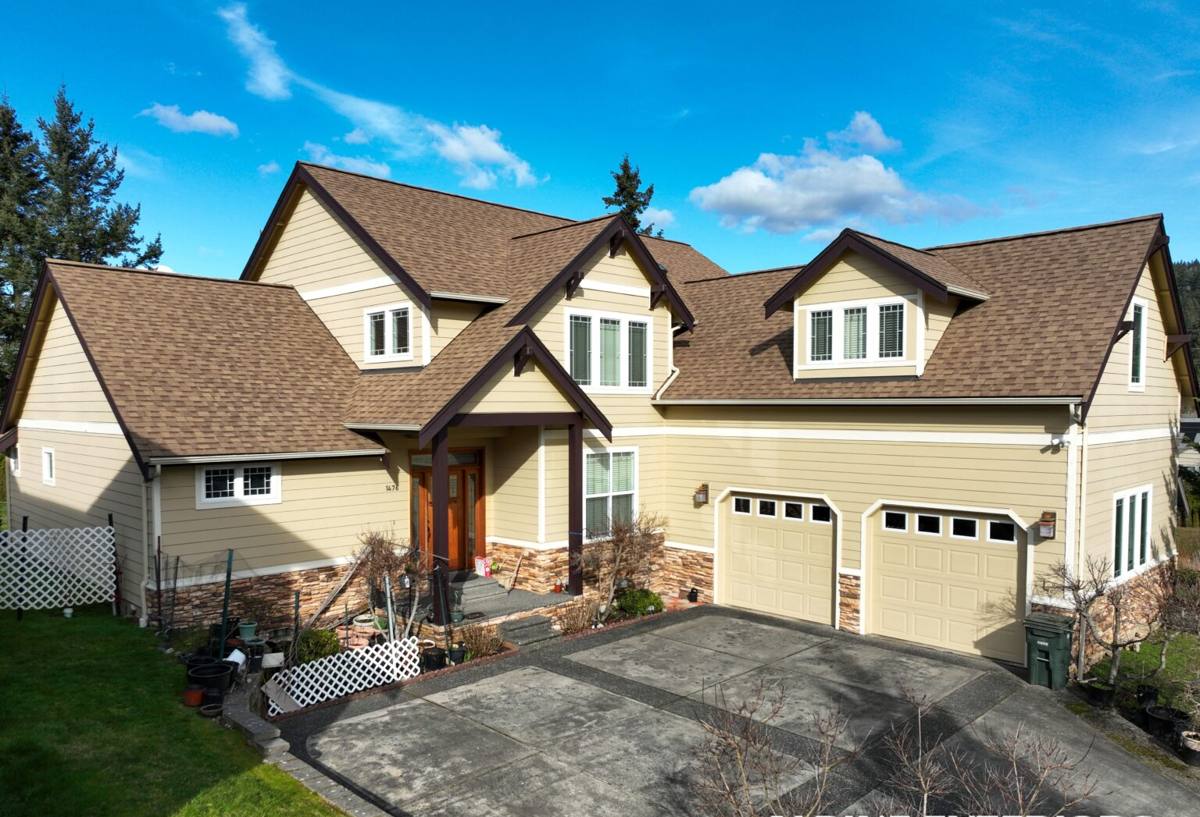
How Salt Air, Rain, and Moss Actually Damage a Deck
Salt Air and Metal Fatigue
Airborne salt accelerates corrosion on anything metal — nails, screws, joist hangers, bolts, and railing brackets. Corrosion doesn't announce itself; a fastener can look fine on the head and be badly weakened below the deck surface where it's been sitting in damp wood. This is one of the most common reasons a deck that "looks solid" turns out to have a compromised connection once we actually get underneath it.
Driving Rain and Water Intrusion
Rain that comes in at an angle finds every gap a builder didn't seal — around the ledger board where the deck attaches to the house, along butt joints in the decking, and at any post base that sits in standing water. Once water gets behind flashing or into an unsealed cut end, it doesn't dry out quickly in our climate. That's when rot starts, usually from the inside out, which is exactly why so much deck damage isn't visible until a board is already soft.
Moss and Sustained Moisture
Moss doesn't just make a deck slippery — it holds moisture against the wood surface for weeks at a time, which is long enough for rot to take hold even in treated lumber. Moss also grows in the gaps between boards, which blocks drainage and keeps the whole deck wetter than it should be even after the rain stops.
Signs a Mount Vernon Deck Needs Repair
Most homeowners catch a deck problem months after it started, simply because early damage doesn't look urgent. Here's what we tell people to actually check:
- Boards that feel spongy, springy, or noticeably different underfoot in one area versus another
- Railings or posts that move or flex when you lean on them
- Rust streaks below fastener heads or around joist hangers
- Persistent moss or dark staining that comes back within weeks of cleaning
- Gaps opening up between the ledger board and the house siding
- Visible daylight or soft wood where a support post meets its footing
- Standing water on the deck surface more than an hour after rain stops
- Nails backing out or screw heads sitting proud of the board surface
Any one of these on its own might be minor. Two or three together usually means the damage has moved past the surface and into the structure.
What a Correct Deck Repair Actually Involves
Structural Frame and Ledger Board First
Before we touch a single decking board, we check the parts of the deck you can't see from standing on it: the ledger board connection to the house, the joists, the joist hangers, the posts, and the footings. This is the part of the job that determines whether the deck is actually safe — cosmetic repair on top of a compromised frame just hides the problem for a season or two.
Decking Surface and Railings
Once we know the frame is sound (or have fixed what wasn't), we address the surface: replacing boards that are cupped, splintering, or soft, refastening loose boards properly, and checking that railings meet a safe spacing and height standard — not just that they look fine from a few feet away.
Hardware and Fasteners
Given how hard salt air is on metal, fastener choice matters more here than in a lot of other climates. We don't reuse corroded hardware just because it's still technically holding, and we don't mix incompatible metals in a way that speeds up corrosion between two different fasteners.
Repair vs. Replacement: How We Decide
Not every damaged deck needs to be torn out. The honest answer depends on how much of the structure versus the surface is affected, and how old the deck already is. Here's the general framework we use:
| Factor | Usually Repairable | Usually Needs Replacement |
|---|---|---|
| Ledger board / frame | Sound, no rot at connection points | Rot or corrosion at multiple structural points |
| Decking boards | A few boards affected, rest sound | Widespread cupping, splintering, or soft spots |
| Railings and posts | Isolated loose sections | Multiple posts flexing or rot at post bases |
| Fasteners | Localized corrosion, easily accessed | Corrosion throughout, hangers compromised |
| Deck age | Under 15 years, built to a reasonable standard | Original construction quality is unclear or dated |
We'll give you a straight answer on which category your deck falls into, including when replacement is genuinely the more cost-effective path over the next several years rather than repeated partial repairs.
Our Repair Process, Step by Step
- On-site inspection of the full deck, including underneath and at every post base and footing
- Moisture and soft-spot check on decking, ledger board, and structural members
- Written scope covering exactly what needs repair versus what's sound and can stay
- Removal of damaged boards, hardware, or framing — no covering up compromised material
- Structural repair or reinforcement first, brought up to a safe and correct standard
- Replacement decking and railing components installed and properly fastened
- Final check for drainage, gaps, and any spots where water could re-enter
We don't skip step five to get to the visible work faster. A deck that looks finished but still has a weak connection underneath isn't actually repaired.
Material and Fastener Choices for This Climate
Wood vs. Composite Decking
Both wood and composite decking can perform well here if they're installed and maintained correctly — the real difference is maintenance burden. Wood needs periodic sealing and is more forgiving to spot-repair one board at a time. Composite resists moss staining better in a lot of cases but shows expansion and contraction differently at the joints, so it needs to be installed with the right gapping for our wet winters. We'll walk you through the honest trade-offs for your specific deck rather than pushing one material as universally better.
Fasteners and Hardware
Given the corrosion risk from salt air, we favor fasteners and connectors rated for coastal or high-moisture exposure rather than standard-grade hardware, and we make sure metal components in contact with each other are compatible so they don't accelerate each other's corrosion.
Permits, Code, and Safety on Deck Repairs
Depending on the scope of work, structural repairs — especially anything touching the ledger board, footings, or railings — may fall under local building code requirements, including guardrail height and baluster spacing on decks above a certain height. We handle this as part of the job rather than leaving it for you to sort out, and we won't cut corners on railing safety just to save a step, since that's the part of a deck most likely to actually hurt someone if it's wrong.
Why Hire a Crew That Already Works Mount Vernon
A crew that regularly works decks in and around Mount Vernon has already seen how this specific stretch of Whatcom County's climate ages a deck — where moss tends to build up first, how far salt air corrosion typically travels up a fastener, and which repair shortcuts fail fastest here versus in a drier inland climate. That's not something you get from a general contractor doing a deck once every few years. It also means we can usually get to your property, look at the actual damage, and give you a straight scope of work without the delay of an out-of-area crew learning the local conditions on your dime.
If your deck is showing any of the warning signs above, or you just want an honest read on whether you're looking at a repair or a replacement, we're glad to come take a look. The estimate is free, there's no pressure, and you'll get a clear answer either way — use the form below to get started.