 Chuckanut Exterior
 Board & Batten Siding, Built for Mount Vernon's Weather
Board & batten has a clean, vertical-line look that works well on farmhouse-style homes, craftsman remodels, and the mix of older and newer construction you find around Mount Vernon. It's a popular choice for accent walls, gables, and full exteriors alike. But the look is only half the story. In this part of Washington, the material behind that look matters more than almost anywhere else in the state, because the climate is unusually hard on siding that isn't built for it.
Homes in this stretch of the Skagit Valley deal with a specific combination of conditions: salt-influenced air moving in off the water, long stretches of driving rain rather than gentle drizzle, and a moss season that can run most of the year on shaded or north-facing walls. Board & batten's vertical battens and exposed seams create more edges and joints than a standard lap profile — which means more places for water to find a way in if the material or the installation isn't right for the job.
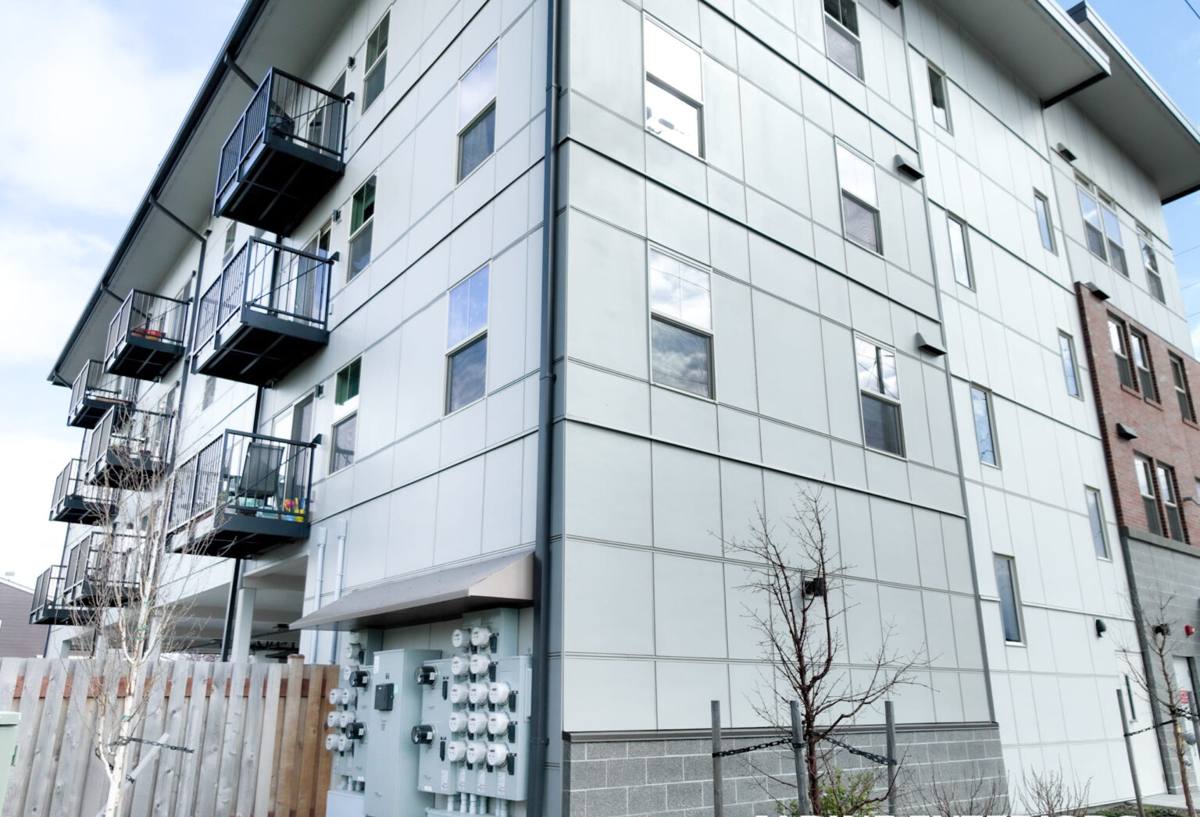
What Salt Air, Driving Rain, and Moss Actually Do to This Siding
Moisture at the Joints
Every board & batten wall has vertical seams where the battens overlap the field boards. Those seams are fine in dry conditions, but during a wind-driven rain event — which this area sees regularly in fall and winter — water gets pushed sideways and upward, not just straight down. If the boards behind those battens can absorb and hold moisture, or if there's no drainage path behind the siding, water works its way in over time. That shows up as swelling, soft spots, paint failure, or in worse cases, rot in the sheathing behind the siding.
Moss and Organic Growth
The long, mild, wet stretches typical of this region give moss and algae plenty of time to establish on any siding surface that stays damp, especially on shaded elevations and under overhangs. Moss holds moisture against the surface it's growing on, which accelerates whatever damage process is already underway. Siding that can't handle sustained dampness will degrade faster here than the same product would in a drier climate.
Salt-Influenced Air
Proximity to the water means siding, fasteners, and trim are exposed to salt-laden air more than homes further inland. This doesn't just affect metal components — it affects paint and finish adhesion over time, and it's one more reason a factory-applied, engineered finish holds up better here than field-applied paint on a porous substrate.
Why We Only Install James Hardie Fiber Cement — Not Vinyl, Not Wood
We get asked fairly often about vinyl board & batten or engineered wood and cedar options, since both are available and both can look reasonable in photos. We don't install either one, and we think homeowners deserve the honest reasoning, not just a policy statement.
Vinyl Board & Batten
Vinyl is inexpensive and low-maintenance in mild, dry conditions. The trade-off shows up here specifically: vinyl expands and contracts significantly with temperature swings, and its seams and panel joints are a weak point against wind-driven rain. It's also a petroleum-based product that can become brittle over time and doesn't hold paint, so if it fades or gets damaged, your only real fix is replacement, not a repaint. On a coastal, rain-heavy exterior, that's a real limitation.
Wood and Engineered Wood (Primed Spruce, Cedar)
Real cedar and primed spruce board & batten look great when new, and cedar in particular has genuine character. But both are organic materials, and organic materials and sustained moisture don't mix well. Cedar requires ongoing sealing and finish maintenance to perform, and engineered wood products are sensitive to installation details — any gap in the factory finish or any spot where water can sit becomes a starting point for swelling or rot. In a climate with this much sustained dampness and moss pressure, that maintenance burden is significant and ongoing, not a one-time cost.
Why James Hardie Fiber Cement
Hardie's board & batten products are fiber cement — a mix of cement, sand, and cellulose fibers that doesn't absorb water the way wood-based products do, doesn't expand and contract like vinyl, and is non-combustible. Hardie's HZ5 formulation is specifically engineered for wet, coastal climates like this one. The ColorPlus factory finish is baked on under controlled conditions, which gives it better adhesion and fade resistance than field-applied paint, and it comes with its own finish warranty. That's the combination we've standardized on: a material built for the actual conditions on the wall, not just the look in a brochure.
What a Correct Board & Batten Installation Actually Involves
The material is only half the equation. Board & batten fails early almost as often from installation shortcuts as from using the wrong product. A correct install involves several things that aren't visible once the job is done, which is exactly why they matter.
Rainscreen and Drainage Plane
Behind the boards, there needs to be a proper weather-resistive barrier and, ideally, a drainage gap that lets any moisture that gets past the siding drain and dry out instead of sitting against the sheathing. This is especially important with board & batten, which has more vertical seams than lap siding.
Batten Spacing and Fastening
Battens need consistent spacing and fastening patterns that follow the manufacturer's engineering — not just what looks even from the ground. Hardie specifies fastener types, spacing, and clearances for a reason: get those wrong and you create stress points or gaps that let water in regardless of how good the material is.
Trim, Flashing, and Penetrations
Every window, door, vent, and light fixture that penetrates the siding is a potential leak point. Flashing has to be integrated correctly at each one, and trim has to be sealed and finished per spec — not just caulked and hoped for. This is the detail work that separates a siding job that lasts decades from one that starts showing problems in a few years.
Material Comparison for Board & Batten Siding
| Factor | Vinyl | Wood / Engineered Wood | James Hardie Fiber Cement |
|---|---|---|---|
| Moisture resistance | Doesn't absorb, but seams leak under wind-driven rain | Absorbs moisture; needs sealed finish maintained continuously | Doesn't absorb water; engineered for wet climates (HZ5) |
| Finish longevity | Color fades, can't be repainted easily | Field-applied paint/stain needs regular reapplication | Factory-baked ColorPlus finish, backed by its own warranty |
| Fire resistance | Can melt/deform under heat exposure | Combustible | Non-combustible fiber cement |
| Moss/algae resilience | Moderate; traps moisture at seams | Poor once finish is compromised | Strong when properly installed and maintained |
| Upfront cost | Lowest | Moderate to high (cedar especially) | Moderate to higher |
| Long-term cost of ownership | Lower purchase, higher replacement risk | Ongoing maintenance cost adds up | Higher upfront, lower lifetime maintenance |
Our Process for a Mount Vernon Board & Batten Job
The process doesn't change much from house to house, but the details we pay attention to are shaped by what we see repeatedly on homes in this area.
- On-site assessment: We look at existing siding condition, moisture damage, exposure direction, and any moss or staining patterns that tell us where a wall has been struggling.
- Tear-off and sheathing check: Old siding comes off and we inspect the sheathing underneath for hidden rot before anything new goes up — this is where problems that caused the original failure usually show themselves.
- Weather barrier and drainage plane: A proper water-resistive barrier goes on, with drainage detailing appropriate for board & batten's seam pattern.
- Installation to Hardie spec: Boards and battens are installed following manufacturer fastening, spacing, and clearance requirements — not shortcuts.
- Flashing and trim detail: Every window, door, and penetration gets proper flashing integration before trim and caulking go on.
- Final walkthrough: We review the finished job with you, including what to expect from the finish and what basic upkeep looks like going forward.
Maintenance That Actually Matters in This Climate
Fiber cement is low-maintenance, not no-maintenance. In a climate with this much sustained moisture and moss pressure, a little attention goes a long way toward protecting the investment.
- Rinse siding periodically to remove built-up grime, pollen, and organic debris, especially on shaded or north-facing walls.
- Keep gutters clean and downspouts directed away from the wall — clogged gutters are one of the most common causes of localized siding damage.
- Trim back vegetation and tree cover that keeps a wall section shaded and damp longer than the rest of the house.
- Check caulking around trim, windows, and penetrations annually and have any cracked or missing caulk addressed before the wet season.
- Watch for moss starting to establish and treat it early rather than letting it spread across a wall section.
- Have any impact damage or chipped finish repaired promptly so moisture doesn't get a foothold at that spot.
Why It Matters That We Already Work Mount Vernon
Board & batten performs differently depending on which wall it's on, which direction it faces, and what's around the house — tree cover, water exposure, prevailing wind. A crew that's worked on homes throughout this part of Whatcom and Skagit County has already seen how different elevations perform here, what typical sheathing and framing conditions look like on homes of different ages in the area, and which details tend to get skipped on jobs that don't hold up. That local pattern recognition is hard to replace with general experience alone, and it's part of why we focus on doing this work correctly the first time rather than treating every house as a blank slate.
If you're considering board & batten siding for a home in the Mount Vernon area, we're happy to take a look at your specific situation and walk you through what we'd recommend and why — no pressure, no obligation. Reach out for a free estimate using the form below.