 Chuckanut Exterior
 Why Siding Installation in Bow Has to Account for the Coast
Homes in the Bow area sit close enough to the water and the Chuckanut corridor that siding takes a different kind of beating than it would twenty miles inland. Salt-laden air corrodes fasteners and finishes that aren't rated for it. Driving rain off Puget Sound and Bellingham Bay finds every gap in a wall assembly that wasn't detailed correctly. And the long, damp shoulder seasons that define Whatcom County weather give moss and algae months at a time to take hold on north-facing walls and anything shaded by fir and cedar cover.
None of that is exotic. It's the normal operating environment for exterior cladding here. The problem is that a lot of siding — and a lot of siding installations — are built to a generic national standard, not to what this specific stretch of coastline actually does to a house year over year. Getting siding installation right in Bow means starting from the climate, not from a catalog page.
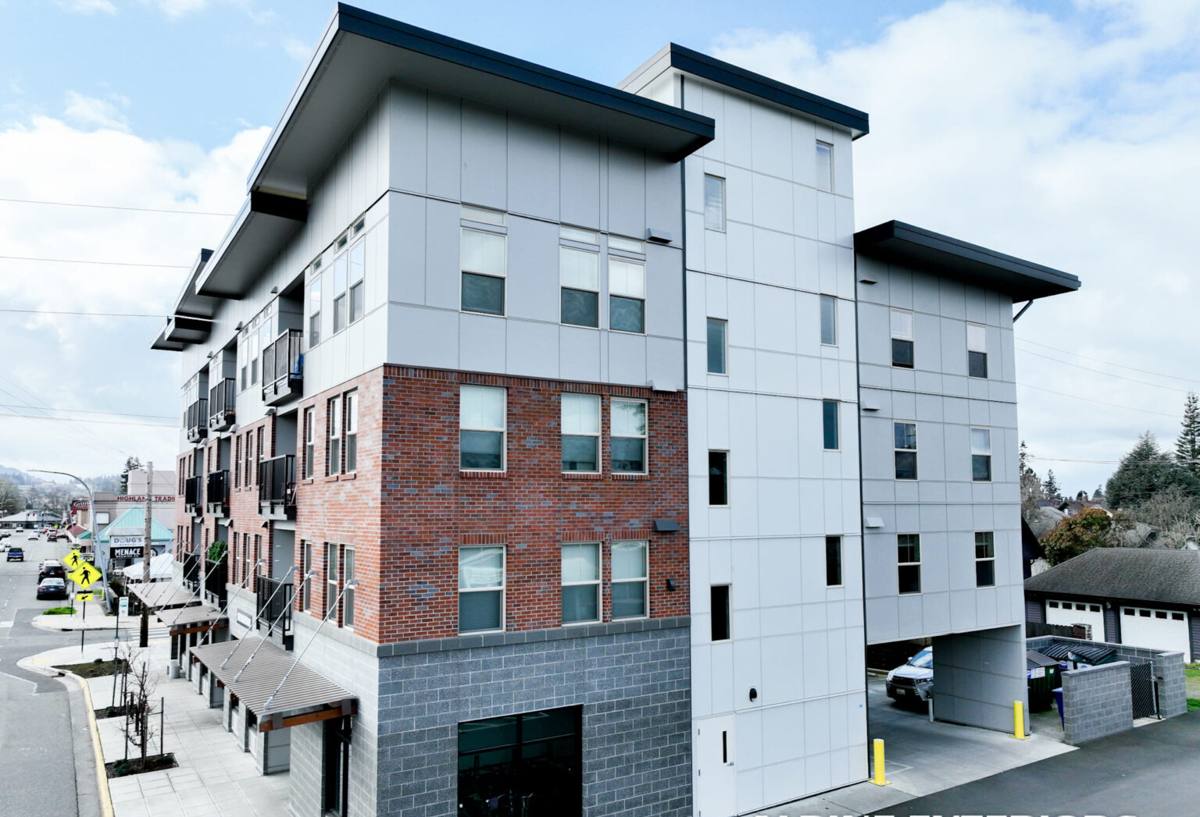
What Local Homes Actually Need From Their Siding
Moisture management, not just a pretty face
The biggest threat to a home's siding isn't the rain that lands on the surface — it's the rain that gets behind it. A correctly installed wall assembly manages that water with a drainage plane, proper flashing at every penetration, and a rainscreen gap that lets moisture drain and the wall breathe. Skip any of those steps and water gets trapped against the sheathing, where it causes rot long before it shows up as a visible problem.
Salt-air corrosion resistance
Fasteners, trim, and hardware that aren't corrosion-rated will show rust streaks and premature failure within a few years this close to the water. Stainless or hot-dip galvanized fasteners aren't optional here — they're the difference between siding that lasts decades and siding that needs re-caulking and touch-up work every other season.
Moss and algae resistance
Shaded, damp walls in this region grow moss and green algae far faster than siding in drier climates. That's partly a material question (some products hold moisture and organic growth far more readily than others) and partly an installation question — proper clearances, drainage, and airflow behind the cladding slow growth dramatically even in the shadiest spots.
Why We Install Only James Hardie Fiber Cement
We made a deliberate decision to stop installing vinyl, LP SmartSide, primed wood, and other fiber cement brands, and to install James Hardie exclusively. That's not a marketing position — it's the product we trust to hold up to salt air, driving rain, and moss season without the maintenance headaches and moisture-related failures we've seen from other materials in this exact climate.
James Hardie fiber cement is non-combustible, engineered specifically for climate zones like ours through its HZ5 product line, and finished with the ColorPlus factory-baked finish, which resists fading and chipping far better than field-applied paint. It's backed by a strong, transferable warranty when installed to the manufacturer's specifications — and installing to spec is exactly where we put our attention, because a great product installed wrong will still fail wrong.
How James Hardie Compares to Other Siding Options in This Climate
| Factor | James Hardie Fiber Cement | Vinyl | LP SmartSide / Engineered Wood | Cedar / Primed Wood |
|---|---|---|---|---|
| Moisture behavior | Dimensionally stable, doesn't swell or rot | Doesn't absorb water but traps it behind panels if installed poorly | Wood-based core is vulnerable if the factory seal is compromised | Absorbs moisture, prone to rot without diligent upkeep |
| Moss / algae resistance | Dense, low-absorption surface resists growth | Moderate — growth tends to appear at seams and laps | Moderate, depends on coating integrity | Low — organic surface, moss takes hold readily |
| Salt air / coastal durability | Strong when installed with corrosion-rated fasteners | Can become brittle and discolor over time | Edge and seam exposure is the weak point | Needs frequent refinishing to hold up |
| Finish longevity | ColorPlus factory finish, resists fade and chip | Color is baked in but can chalk and fade | Factory-primed, still needs field topcoat maintenance | Field-painted, repaint cycle every few years |
| Fire rating | Non-combustible | Combustible | Combustible | Combustible |
Every material on that list has trade-offs, and none of them are junk products. The point of the comparison isn't to disparage what other homes in the area already have on their walls — it's to explain why, when we're the ones installing new siding, we've standardized on the product that holds up best to this specific coastal climate over the life of the home.
What Correct Siding Installation Involves, Step by Step
Assessment and tear-off
We start by inspecting the existing wall assembly, including the sheathing underneath the old siding. Salt air and trapped moisture can cause hidden sheathing damage that has to be addressed before anything new goes up — covering rot with new siding just hides the problem.
Weather-resistive barrier and flashing
A properly lapped weather-resistive barrier goes on first, with flashing integrated at every window, door, and penetration so water is directed out and down, never behind the wall plane.
Rainscreen gap
Furring strips create a drainage gap behind the siding, letting bulk water drain out and airflow dry the wall assembly — a step that matters more here than almost anywhere else in the state given how many wet months this region gets.
Hardie panel or plank installation
Panels or lap siding go up per James Hardie's fastening schedule and clearance requirements, with corrosion-resistant fasteners and correct nailing patterns — under-driven or over-driven fasteners are one of the most common causes of premature siding failure.
Trim, caulking, and finish details
Corner boards, trim, and caulk joints are finished to shed water at every seam, and the ColorPlus finish means no field-painting is needed to protect the color.
Cost Factors for Bow-Area Siding Projects
| Factor | How It Affects the Project |
|---|---|
| Home size and wall complexity | More corners, dormers, and penetrations mean more flashing and labor time |
| Sheathing condition | Rot repair found during tear-off adds scope but is far cheaper to fix now than later |
| Siding profile | Lap, shingle, and panel profiles carry different material and labor costs |
| Access and site conditions | Sloped lots, tree cover, or tight setbacks common in this area can affect staging and scaffolding needs |
| Trim and detail level | Additional trim work and custom color selections add to the finish cost |
We won't quote a number without seeing the house, but we'll always walk you through which of these factors are actually driving your estimate before we start.
Signs Your Current Siding May Already Be Failing
- Soft or spongy spots when you press on the siding, especially near the bottom courses
- Persistent moss or dark streaking that returns shortly after cleaning
- Paint or finish that's peeling, bubbling, or chalking heavily
- Visible gaps, warping, or panels pulling away from the wall
- Rust streaks running down from fasteners or trim
- Rooms with musty odors or unexplained interior moisture near exterior walls
Any one of these on its own isn't necessarily an emergency, but a combination usually means water has been getting behind the siding for a while.
Why Hiring a Crew That Already Works Bow Matters
Siding installation isn't just a manufacturer's spec sheet applied the same way everywhere. A crew that already works homes in and around Bow and the Chuckanut corridor knows what this exposure does over time — which walls take the worst of the driving rain, which shaded sides need extra attention to moss and drainage, and how far to go with corrosion-rated hardware given the salt air coming off the water. That local pattern recognition is what keeps a siding job from being a generic install that happens to be located here, versus one that's actually built for here.
It also matters for accountability. A crew with an ongoing presence in the area has a reputation to protect with the neighbors on your street, not just with you.
What to Ask Before You Hire
- Are you a certified James Hardie installer, and can you explain the fastening and clearance requirements you'll follow?
- Will you inspect and repair sheathing before new siding goes up, not just install over what's there?
- What weather-resistive barrier and flashing details will you use at windows, doors, and penetrations?
- Will you install a rainscreen gap, and why or why not for my home?
- What fastener material will you use, given the salt air exposure here?
- What does the warranty actually cover, and is it transferable if I sell the home?
If a contractor can't answer these clearly, that's worth knowing before they're on your roofline.
Ready to Talk About Your Siding?
If your Bow-area home is showing signs of wear from salt air, driving rain, or a stubborn moss problem, we're happy to take a look and give you an honest read on what's going on and what it would take to fix it right. Reach out for a free, no-pressure estimate using the form below — there's no obligation, and we'll tell you straight what we find.