 Chuckanut Exterior
 Why Samish Homes Ask for Something Different Than a Stock Window
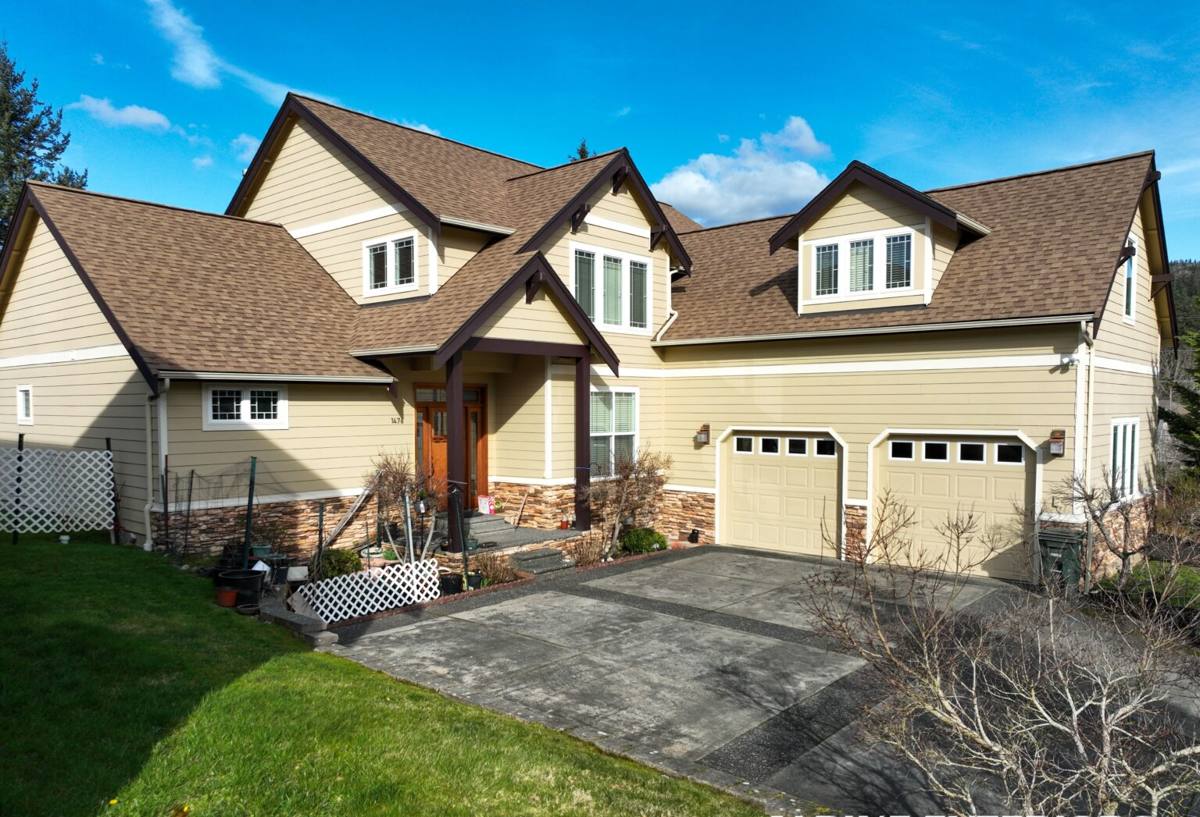
Samish sits close enough to the water and the tree line that its homes take a different kind of weathering than houses further inland in Whatcom County. You get salt-laden air drifting up off the bay, long stretches of driving rain that hits window walls sideways instead of straight down, and a moss season that runs longer here than it does on the drier east side of the county. None of that is dramatic on its own, but stacked together over years, it's exactly the combination that finds every weak point in a window's seal, frame, and flashing. A window that performs fine in a catalog photo can still fail here in five years if it wasn't chosen and installed with this specific exposure in mind.
That's the difference between a generic window swap and a custom job done for a Samish property. Custom doesn't just mean the opening is measured to the inch — it means the material, glass package, and installation detailing are chosen because of what this particular site does to windows over time, not because it's what's in stock.
What the Climate Actually Does to Windows Here
Salt Air
Salt in the air accelerates corrosion on hardware, fasteners, and any exposed metal components — hinges, cranks, and cheaper aluminum spacers inside the glass unit itself. Over time this shows up as stiff or seized operation, pitting on hardware finishes, and in worse cases, early seal failure inside dual-pane units where the metal spacer has broken down.
Driving Rain
Wind-driven rain doesn't just sit against a window the way a light drizzle does — it gets pushed under sills, behind trim, and into any gap in the flashing that a calm-weather install might get away with. Most window leaks we're called out to look at in this area aren't glass failures at all; they're flashing and sealant failures where water found a path around the frame rather than through it.
Moss and Sustained Moisture
A long moss season means prolonged dampness sitting against exterior trim, sills, and the wood or fiber-cement siding around a window opening for much of the year. Moss holds moisture against surfaces instead of letting them dry, which is hard on paint, caulking, and any wood trim that isn't properly primed and sealed on all sides — including the back, where it's easy to skip.
What a Correct Custom Window Job Involves
A proper install for this area is really three jobs layered on top of each other: getting the window itself right, getting the opening right, and getting the water management right. Skipping any one of the three is how you end up with a window that looks fine for a year or two and then starts causing problems.
- Accurate measurement of the existing rough opening, including checking it for square and for any hidden rot before ordering anything
- Material and glass selection matched to the wall's sun/shade exposure and its distance from the water and tree cover
- Removal of the old unit without damaging surrounding framing, siding, or interior finish more than necessary
- Inspection of the sheathing and framing once the old window is out — this is often the only time that framing is visible
- Correct flashing sequence (not just caulk) so water sheds down and out, not into the wall cavity
- Proper shimming and fastening so the window operates smoothly and isn't racked
- Insulating the gap between frame and rough opening without overpacking it, which can bow the frame
- Exterior and interior sealant appropriate for the siding material, applied in the right sequence relative to the flashing
- A final operation and weather-seal check before we call the job done
Choosing Materials and Glass for This Exposure
There's no single "best" window material — the right choice depends on the wall's exposure, the home's style, and how much upkeep the homeowner wants to take on. For a Samish property, we weigh salt exposure and moisture load more heavily than we would on a sheltered inland lot.
| Material | How It Handles Salt Air & Rain | Upkeep | Best Fit |
|---|---|---|---|
| Vinyl | Won't corrode; performs consistently in salt exposure | Low — occasional cleaning | Rear/side walls, rental or budget-driven projects |
| Fiberglass | Very stable in moisture and temperature swings, resists warping | Low | Full-exposure walls facing weather or water |
| Wood-clad | Exterior clad protects the wood, but any breach in the cladding lets moisture into the wood core | Moderate — cladding needs to be inspected, interior wood may need refinishing over time | Homes prioritizing interior wood appearance, sheltered exposures |
| Aluminum | Conducts heat/cold and can corrode faster in salt air unless properly finished | Moderate | Limited use — mainly larger commercial-style openings |
On glass, we default to dual-pane with a low-E coating for most Samish homes, since it manages both the moisture-driven condensation risk and the region's mild-but-persistent heat loss in winter. Triple-pane gets discussed for north-facing or particularly exposed walls, but it's not automatic — it adds cost and weight, and we'd rather explain the actual trade-off than upsell it by default.
Where We're Selective About Certain Products
Some window lines look good on paper but use hardware or spacer systems that don't hold up well under sustained salt exposure — we've seen early seal failure and hardware corrosion in units that would be perfectly fine twenty miles inland. Our standard is to steer homeowners toward products with corrosion-resistant hardware and proven spacer systems for coastal-adjacent installs, even if that means a different line than what's cheapest. We'll always explain why, in plain terms, rather than just swapping the spec sheet on you.
Signs Your Current Windows Are Already Losing the Fight
- Fogging or a hazy film between the panes — the seal has failed and the insulating gas is gone
- Soft or discolored trim/sill wood, especially on the bottom corners where water pools
- Moss or dark staining building up on the sill or lower frame
- Windows that stick, won't latch fully, or have gotten harder to open over the past couple of years
- Drafts you can feel with a hand near the frame on a windy day
- Visible gaps or cracked caulking where the frame meets the siding
- Paint that keeps failing in the same spot on the trim, no matter how often it's touched up
Any one of these on its own might not mean much. Two or three together, especially on a wall that faces the weather, usually means the window and its surrounding detailing are due for a real look, not another caulk-and-paint patch.
How Our Process Works
1. On-Site Assessment
We look at the actual openings, not just take a phone order. That means checking the condition of the existing frames, sills, and surrounding siding, and talking through which walls take the worst of the weather.
2. Straightforward Recommendation
We'll tell you what we'd actually install on that wall and why — including where a mid-range option is genuinely fine and where it's worth spending more because of exposure.
3. Accurate Ordering
Custom windows are built to the opening, so measurements get double-checked before anything is ordered. A mismeasure here means weeks of delay waiting on a remake.
4. Careful Removal and Opening Inspection
Once the old window is out, we check the framing and sheathing behind it before anything new goes in. This is the point where hidden moisture damage, if any, actually gets found and dealt with — not covered back up.
5. Install, Flash, and Seal
The window goes in plumb, level, and square, flashed in the correct sequence, sealed appropriately for the siding type, and checked for smooth operation.
6. Final Walkthrough
We go over what was done, how the window operates, and what basic upkeep looks like given the exposure on that particular wall.
What Drives the Cost
| Factor | Why It Matters Here |
|---|---|
| Number and size of openings | More straightforward pricing driver, but larger custom sizes cost more per unit to manufacture |
| Material choice | Fiberglass and wood-clad run higher than vinyl; the right call depends on exposure and budget |
| Glass package | Low-E dual-pane is our typical baseline; triple-pane or specialty coatings add cost |
| Condition of the existing opening | Rot or framing repair found once the old window is out adds labor and material not visible from a bid alone |
| Access and site conditions | Upper-story or hard-to-reach walls take more time and sometimes equipment |
| Trim and siding tie-in | Matching or repairing surrounding trim/siding after the swap affects the finished cost |
We're not going to quote a number without seeing the openings — anyone who does hasn't actually looked at the condition behind the trim. What we can tell you upfront is that a wall facing direct weather off the bay is worth spending a bit more on material and detailing than a sheltered wall on the same house, because the cost of doing it twice is always higher than doing it right once.
Why a Crew Already Working This Area Matters
A crew that regularly works Samish and the broader Chuckanut area already knows what the salt air and driving rain do to a house over a normal Whatcom County winter, without having to relearn it on your project. That shows up in small but real ways — knowing which flashing details actually hold up on a bay-facing wall, recognizing early moss or rot patterns before they've spread, and not treating this exposure as an edge case that needs figuring out from scratch. It also means we're not disappearing after the invoice clears; if a question comes up on a window we installed, we're still local and still reachable.
Living With Custom Windows in a Salt-and-Rain Climate
Even a well-installed window benefits from a bit of routine attention out here. Rinsing salt residue off exterior frames periodically, keeping weep holes clear of debris and moss so water can drain out, and checking exterior caulking once a year for cracking all go a long way toward getting the full lifespan out of the investment. None of it is heavy maintenance — it's closer to the kind of upkeep any exterior surface needs in this climate, just applied consistently.
If your windows are showing their age, or you're planning ahead for a wall that's clearly taking the worst of the weather, we're happy to come take a look and give you a straight read on what's going on — no pressure, no upsell script. Request a free estimate through the form below and we'll get a time on the calendar.