 Chuckanut Exterior
 Siding on the Samish Shoreline Has a Harder Job Than Most
Homes in and around Samish sit close enough to the water that siding takes on a different kind of workload than a house twenty miles inland. Salt-laden air moves through the trees, driving rain comes in sideways off the water during winter storms, and the shaded, damp stretches of the property stay wet long after the rest of Whatcom County has dried out. Siding here isn't just a weather barrier — it's fighting a slow, constant chemical and biological assault that never really lets up between October and May.
A siding product and installation method that works fine in a drier part of the state can fall short here. This page is specifically about what siding installation should look like for a Samish home, why we only do that job with one material, and what our process looks like from the first walk-around to the final inspection.
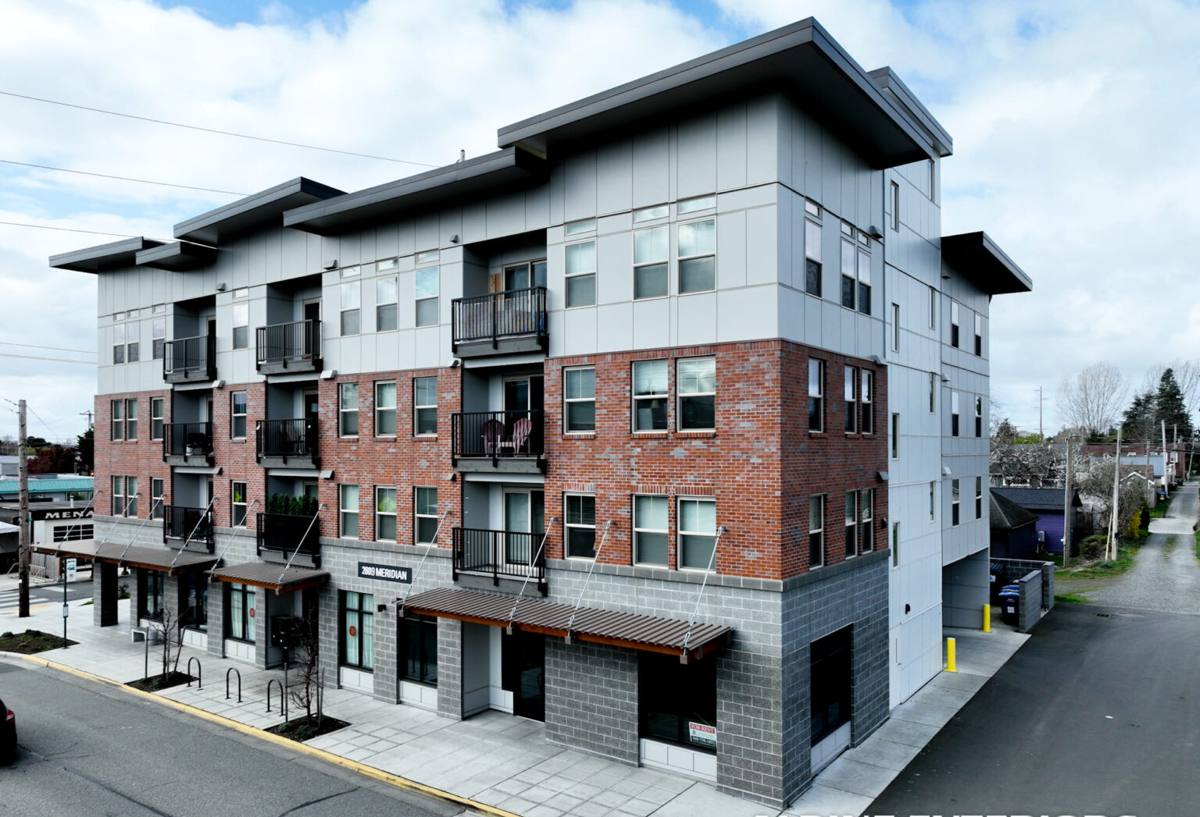
What Samish's Microclimate Actually Does to Siding
Salt Air and Slow Corrosion
Airborne salt doesn't just sit on the surface of a wall — it works its way into fasteners, trim edges, and any exposed cut ends. Over years, that accelerates corrosion on lower-grade fasteners and trim hardware, and it breaks down paint films faster than the same product would wear in a non-coastal setting. Products that rely on a painted or laminated surface finish tend to chalk, fade, and lose adhesion sooner near the water.
Driving Rain and Water Intrusion Points
Wind-driven rain doesn't fall straight down — it gets pushed sideways into every horizontal joint, window head, and butt seam on a wall. If those points aren't flashed and sealed correctly, water finds its way behind the siding, not through it. That's the failure mode we see most often on older homes in this area: not the siding face failing, but water getting behind it through a poorly detailed seam or a missing kick-out flashing.
Moss Season and Trapped Moisture
Shaded north walls and anything under tree cover in Samish stay damp for extended stretches of the year, which is exactly the environment moss and algae need. Moss holding moisture against a wall surface for weeks at a time is hard on almost any siding material, and it's especially hard on anything with an organic wood component that can absorb and swell.
Why We Only Install James Hardie Fiber Cement
We've made a deliberate decision not to install vinyl, LP SmartSide, primed spruce, cedar, or other fiber cement brands like Cemplank or Allura. That's not a marketing position — it's based on what holds up in exactly the conditions described above, and what we're willing to put our name behind.
A Non-Combustible, Moisture-Stable Core
James Hardie siding is fiber cement — sand, cement, and cellulose fiber, cured into a rigid, non-combustible board. It doesn't absorb moisture the way wood-based products do, and it doesn't swell, rot, or feed the kind of organic growth that thrives in a shaded, damp coastal yard.
ColorPlus Factory Finish vs. Field-Applied Paint
Most Hardie products we install use the ColorPlus finishing process — a color coat baked on in a controlled factory environment rather than sprayed or brushed on site. That finish is more UV- and fade-resistant than field-applied paint, and it holds up better against the salt exposure common near Samish. It also comes with its own finish warranty, separate from the substrate warranty.
Climate-Engineered HZ Product Lines
Hardie manufactures different formulations (HZ5, HZ10, and others) engineered for different climate zones — freeze-thaw cycling, humidity, and moisture exposure all factor into which line is right for a given region. We spec the product line appropriate for Whatcom County's wet, marine-influenced climate rather than defaulting to whatever's cheapest to source.
What a Correct Installation Involves — Not Just the Boards
Siding failures on coastal homes are almost never about the siding material itself failing outright — they're about what's underneath and behind it being done wrong. A correct installation is a system, and every layer matters.
Water-Resistive Barrier and Flashing Details
Before a single board goes up, the wall needs a continuous water-resistive barrier, properly lapped and sealed, with flashing integrated at every window, door, and horizontal transition. In a driving-rain environment like Samish, this layer is doing more work than the siding face itself — it's the last line of defense if any water does get past the cladding.
Fastening Pattern and Manufacturer Clearances
Hardie specifies exact fastener types, spacing, and edge distances, along with minimum clearances from grade, roof lines, and adjacent surfaces. Skipping those clearances is one of the most common ways we see improperly installed fiber cement fail prematurely — usually from moisture wicking up from the bottom edge.
Joint Treatment and Butt Seams
Every butt joint and seam is a potential entry point for wind-driven rain. Correct installation means treating those joints with the right combination of flashing, sealant, and board overlap — not just caulking a gap and moving on.
Our Process, Start to Finish
- On-site assessment — we walk the exterior, check existing siding and trim condition, and look specifically at moisture-prone areas: shaded walls, grade clearance, and existing flashing.
- Tear-off and sheathing check — once old siding is off, we inspect sheathing and framing for hidden water damage before anything new goes up. This is often where problems from years of minor leaks first become visible.
- Water-resistive barrier and flashing installation — the barrier and flashing system is installed and inspected before siding begins, since it's far harder to fix once boards are on.
- Hardie installation to manufacturer spec — correct fastening, clearances, and joint treatment as described above.
- Final walkthrough — we go over the finished job with the homeowner, including care and maintenance specific to a Samish-area property.
Comparing Siding Options for a Samish Property
Homeowners often ask us to explain why we've standardized on one product instead of offering a menu of options. Here's an honest side-by-side of how common siding materials perform under the conditions Samish homes actually face.
| Factor | James Hardie Fiber Cement | Vinyl | Wood-Based / Engineered Wood |
|---|---|---|---|
| Moisture absorption | Very low — cement-based, doesn't swell | Doesn't absorb, but can warp/buckle with heat and age | Absorbs moisture; prone to swelling and rot if compromised |
| Salt air / coastal exposure | Stable; factory finish resists fading | Can become brittle and discolor over years | Finish and substrate both vulnerable to salt exposure |
| Moss and algae resistance | Non-organic core resists growth better | Surface can host growth in shaded areas | Organic material more susceptible to sustained growth |
| Fire resistance | Non-combustible | Combustible | Combustible |
| Finish longevity | Factory-baked ColorPlus finish | Color molded in, can fade unevenly | Field-applied paint, needs more frequent recoating |
Signs Your Current Siding Is Already Losing Ground
Because the failure mode here is usually gradual, it helps to know what to look for before a small problem becomes a sheathing repair. On a walk around a Samish property, we typically check for:
- Soft or spongy spots when pressing gently on siding near the bottom edge or below windows
- Persistent moss or algae buildup that returns quickly after cleaning, especially on shaded walls
- Visible gaps, cracking, or separation at butt joints and corner trim
- Peeling, chalking, or uneven fading, particularly on walls facing prevailing wind and rain
- Staining or discoloration around window heads and flashing lines, which often points to water getting behind the siding rather than running off it
- Siding sitting too close to grade or landscaping, trapping moisture against the bottom courses
Why a Crew That Already Works Samish Makes a Difference
Siding installation isn't one-size-fits-all across Whatcom County. A crew that regularly works homes in and around Samish already knows which walls typically take the worst of the driving rain, where moss tends to establish first, and how much clearance and flashing detail actually holds up here versus what a generic spec sheet suggests. That familiarity shows up in fewer callbacks and fewer surprises once the old siding comes off and the sheathing underneath is visible for the first time.
It also matters for sequencing work around the weather. This part of the coast doesn't offer long, guaranteed dry stretches, so knowing how to stage tear-off, barrier installation, and board hanging to minimize exposed sheathing time is a practical skill that comes from doing this work locally and repeatedly — not just from a manufacturer training class.
Living With New Siding in This Climate
Correctly installed Hardie siding is low-maintenance, but "low-maintenance" doesn't mean "no maintenance" in a salt-air, high-moss environment. A periodic soft wash to keep moss and algae from establishing, keeping gutters and downspouts clear so water isn't sheeting down walls, and keeping vegetation trimmed back from shaded sides all go a long way toward getting the full service life out of the installation. None of that requires special equipment or a professional visit every year — it's mostly about not letting moisture sit against the wall for extended periods.
If you're weighing a siding replacement on a Samish property and want a straight answer about what your home actually needs — not a generic sales pitch — we're happy to take a look and put together a free, no-pressure estimate.