 Chuckanut Exterior
 Why Window Replacement in Samish Is Its Own Job
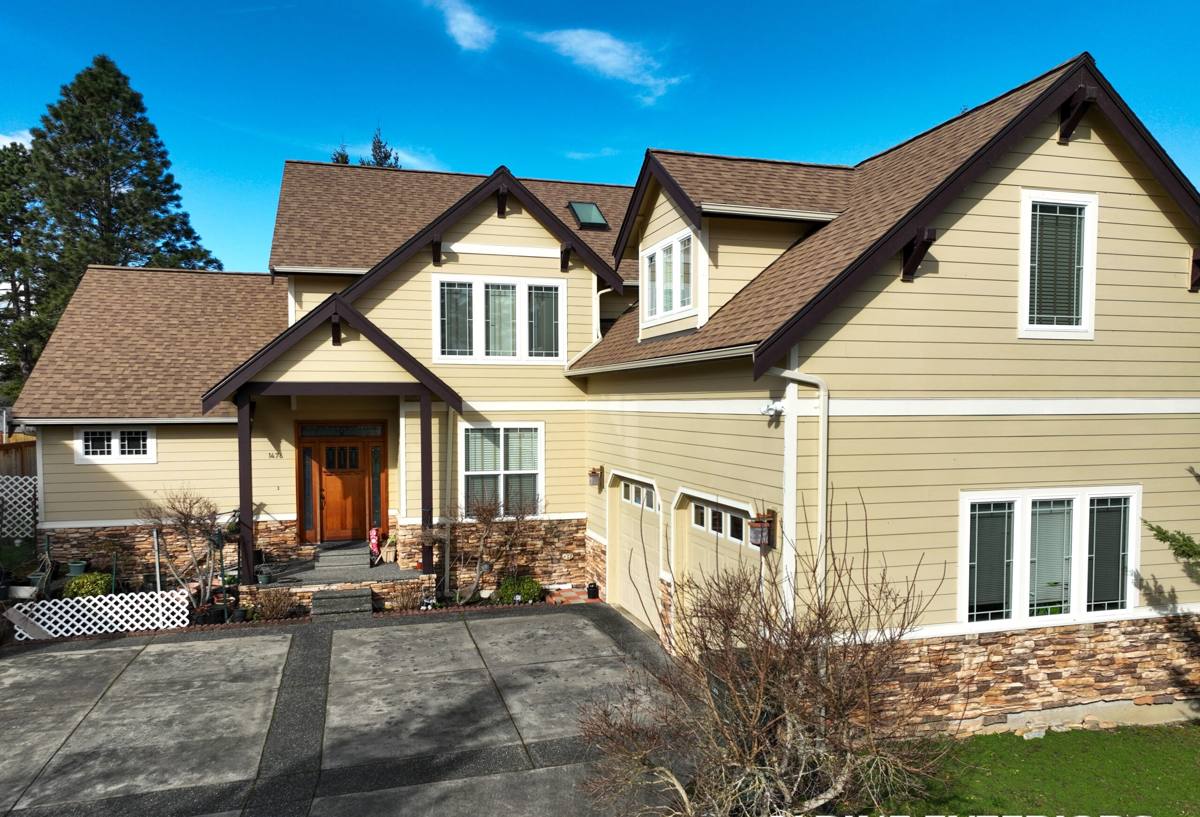
Samish sits close enough to the water that homes here take a different kind of weather beating than houses further inland in Whatcom County. Whether your property sits right along the water or a little further back in Samish, that exposure still shapes how windows should be chosen and installed. Salt-laden air off Samish Bay and Chuckanut's shoreline works on window hardware and finishes year-round, driving rain off the Sound finds every weak seal a standard window can hide for years, and the long, damp moss season keeps wood trim and sills wet longer than almost anywhere else in the region. A window that would hold up fine in a drier inland neighborhood can fail early here if it wasn't built, installed, or flashed with this specific climate in mind. That's the difference between a generic window replacement and one done right for a Samish property.
What the Climate Actually Does to a Window Over Time
Salt Air and Metal Fatigue
Salt in the air doesn't just sit on the glass — it settles into hardware, tracks, and any exposed metal fasteners. Over years, that accelerates corrosion on hinges, locks, and balance mechanisms, especially on windows facing open water or prevailing wind. A window can look fine from the curb while its moving parts are quietly seizing up or rusting from the inside.
Driving Rain and Failed Seals
Wind-driven rain off Chuckanut Bay doesn't fall straight down — it gets pushed sideways into every gap, sash joint, and seal. A window with a slightly degraded weatherstrip or a sealant bead that's started to crack won't leak in a light sprinkle, but it will leak in a real Whatcom County storm. That's why so many window problems here show up suddenly during a wind event rather than gradually.
Moss Season and Trapped Moisture
The long stretch of grey, wet months means wood sills, trim, and cladding around windows stay damp for extended periods. Moss and algae hold moisture against the surface even after the rain stops, which is exactly the environment that rots wood and breaks down old caulk and flashing. If a window's drainage path is even slightly off, that trapped moisture has nowhere to go but into the wall.
Signs Your Samish Home's Windows Are Past Their Useful Life
Some of these show up gradually, others appear only after a storm. Worth checking for:
- Fogging or a permanent haze between panes of double-glazed glass — a sign the seal has failed
- Soft or spongy wood at the sill, jamb, or trim when pressed with a finger
- Windows that are hard to open, close, or lock, especially ones facing the water or prevailing wind
- Visible gaps, drafts, or daylight around the frame when the window is shut
- Paint or finish that's peeling, bubbling, or discolored specifically around the window opening
- Moss, algae, or persistent black staining on the sill or trim below the window
- A noticeable rise in heating costs without any other explanation
- Condensation forming on the inside of the glass regularly, even in normal humidity
Any one of these on its own might just need a repair. Several together, especially on a home that's had its original windows for a couple of decades, usually points to replacement being the more honest answer than another round of patching.
What a Correct Window Replacement Job Involves
The window itself is only part of the job. Most of the failures we get called out to fix in this area trace back to installation shortcuts, not the product.
Removing the Old Window Without Damaging the Opening
Pulling the old unit out cleanly, without tearing up the surrounding sheathing or siding, matters more than it sounds like. Rushed removal is one of the most common ways a new window ends up with the same water problems as the old one.
Flashing and Water Management
This is the step that actually keeps water out of the wall, and it's the one that gets skipped most often on budget installs. Proper flashing directs any water that gets past the window — and some always will, eventually — back out instead of down into the framing. In a climate with as much driving rain as Chuckanut sees, flashing detail is not optional.
Insulation and Air Sealing
The gap between the new window frame and the rough opening needs to be sealed and insulated correctly — not overpacked with expanding foam, not left with gaps either. Done wrong, it either bows the frame or leaves a draft and a cold spot that shows up on the first windy night.
Setting and Squaring the New Unit
A window that isn't shimmed level and square will bind, won't lock properly, and will wear its hardware and weatherstripping out faster. It's a five-minute check that a rushed crew skips.
Finish Trim and Exterior Sealant
The exterior trim and sealant bead around a new window are the last line of defense against wind-driven rain, and they're also the first thing weather starts working on. A quality sealant applied correctly, over trim that's been properly primed and fitted, holds up far longer than a bead slapped over gaps to make the job look finished from the ground.
Choosing the Right Frame Material for a Samish Property
There's no single "best" window material — it depends on exposure, budget, and how much upkeep you want to sign up for. For homes with real salt air and wind-driven rain exposure, we weigh these trade-offs honestly:
| Material | Salt Air / Coastal Exposure | Moisture Handling | Maintenance |
|---|---|---|---|
| Vinyl | Good — won't corrode or rust | Handles moisture well, doesn't rot | Low — no painting needed |
| Fiberglass | Very good — highly stable in temperature and moisture swings | Excellent — very low expansion/contraction | Low to moderate |
| Aluminum | Fair — can corrode near salt air without a quality coating | Conducts cold and can condense more | Moderate |
| Wood / Wood-Clad | Requires a durable exterior cladding to hold up here | Vulnerable if any seal or cladding gap develops | Highest — regular inspection and finish upkeep |
We're not going to tell you wood windows are a bad product — plenty of homeowners like the look and are willing to keep up with the maintenance. But on a property exposed to Samish Bay's salt air and Chuckanut's rain patterns, an unclad wood frame asks for more upkeep than most homeowners realize going in, and a missed year of maintenance can let moisture get ahead of you. That's a trade-off we'll walk through honestly rather than talk anyone into or out of a look they want.
Glass and Energy Performance in a Marine Climate
Frame material only tells half the story — the glass package matters just as much for a home this close to the water. Double-pane glass with a low-E coating is the baseline we'd recommend for almost any Samish home today; it cuts down on heat loss through the glass and reduces the interior condensation that shows up on colder mornings when warm, moist indoor air meets cold glass. Triple-pane adds another layer of performance, at added cost and weight, and tends to make the most sense on north- or west-facing openings that take the brunt of the wind and cold.
Warm-edge spacers — the material separating the panes at the edge of the glass — are worth asking about too. In a climate with this much temperature and humidity swing, a lower-quality spacer is one of the more common reasons a "good" window starts fogging between the panes a few years in. It's a small component that's easy to overlook but does a lot of the long-term work.
How We Approach a Samish Window Replacement Project
- On-site assessment. We look at each window's exposure — which face the water, which face prevailing wind and rain, which are more sheltered — because that changes what we recommend for each opening, not just the house as a whole.
- Honest scope and pricing. You get a clear estimate that separates the window units from the flashing, trim, and any repair work the opening actually needs, with broad, realistic ranges instead of a lowball number that grows once work starts.
- Opening prep and removal. Old units come out carefully, and any rot or moisture damage we find in the framing gets flagged and addressed before a new window goes in — not covered up.
- Flashing, insulation, and setting the new unit. This is where the job is actually won or lost, and it's the step we don't rush regardless of how the weather's behaving that week.
- Finish work and walkthrough. Trim, caulking, and a final check that every window operates, locks, and seals the way it should before we call the job done.
Why a Crew That Already Works in Samish Makes a Difference
A crew that works this stretch of Whatcom County regularly already knows which window exposures near Samish Bay take the worst of the wind-driven rain, what moss and algae growth on trim usually means underneath, and how a house built decades ago typically handled window openings compared to newer construction. That's not something you can fully substitute with a generic checklist. It shows up in small decisions on-site — where to add extra flashing, which sills need a closer look before the new unit goes in — that a crew unfamiliar with the area's specific weather pattern is more likely to miss.
It also matters for practical things like scheduling. Whatcom County's wet season runs long, and a crew based in the area knows how to plan installation days around weather windows instead of guessing, because an open wall opening during a driving rain event is exactly the kind of exposure a Samish home doesn't need, even for a few hours.
Caring for New Windows Through the Chuckanut Off-Season
A correctly installed window still benefits from a little seasonal attention in a climate like this. A couple of habits go a long way:
- Rinse salt residue and grime off exterior frames and glass a few times a year, especially after storms
- Keep gutters and downspouts clear so runoff doesn't sheet directly across window openings
- Clear moss or algae from sills and trim before it has a chance to hold moisture against the surface
- Check weatherstripping and hardware operation once a year, before the wet season sets in
- Address any new drafts, sticking sashes, or fogging early rather than waiting for the next round of storms
None of that replaces a good installation, but it does help a well-installed window actually reach the lifespan it's built for instead of falling short of it.
Get a Straight Answer About Your Windows
If you're not sure whether your Samish home needs a full window replacement or just some targeted repair, we're glad to take a look and give you a straight answer either way. Reach out for a free, no-pressure estimate — the form below gets you started, and there's no obligation attached to it.