 Chuckanut Exterior
 Roof Repair Built for York's Coastal Conditions
Homes in the York area of Chuckanut sit close enough to the water and the tree line to catch the worst of both worlds: salt-laden air off the Sound and heavy shade from surrounding conifers. That combination ages a roof faster than most homeowners expect. A roof that would last two more trouble-free decades in a drier, sunnier part of Whatcom County can start showing leaks, granule loss, and moss damage well ahead of schedule here. Roof repair in York isn't just about patching a leak — it's about understanding why that particular section failed and making sure the fix holds up against the next round of driving rain.
We work on roofs throughout Chuckanut and the surrounding Whatcom County area regularly, so we're not guessing at what York's microclimate does to shingles, flashing, and underlayment. We've seen the patterns repeat house after house, and that experience shapes how we diagnose and repair every roof we touch here.
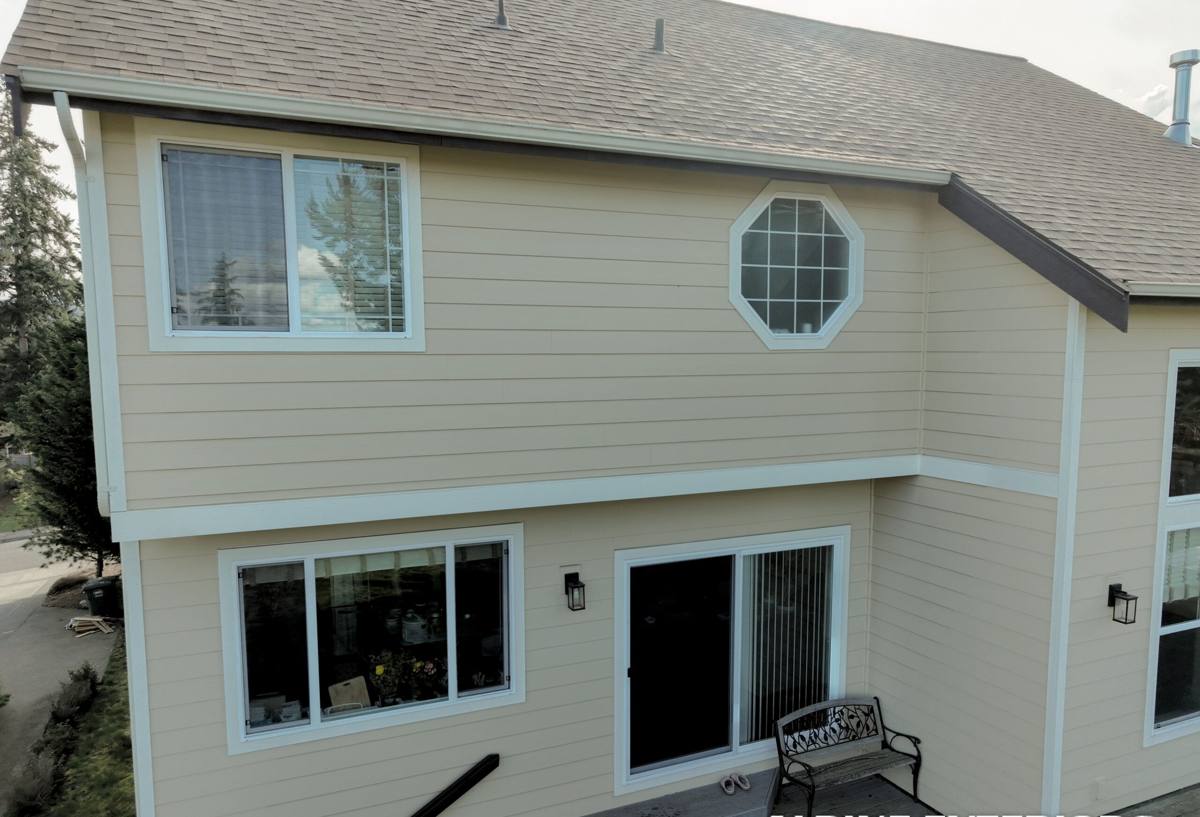
What Chuckanut's Climate Does to a York Roof
Three conditions drive most of the repair calls we get in this area, and they usually work together rather than in isolation.
Salt Air
Airborne salt from the Sound accelerates corrosion on any exposed metal — flashing, fasteners, gutter hardware, vent caps. Once corrosion starts, it doesn't stay contained to the metal itself; rust stains bleed into surrounding shingles and small pinholes in flashing become entry points for water long before a homeowner notices anything from the ground.
Driving Rain
This isn't gentle, straight-down rainfall. Wind-driven rain off the water pushes moisture sideways and upward under shingle edges, around vents, and into any flashing seam that isn't sealed tight. A roof that would shed a normal rain shower without issue can still take on water when the rain is coming in at an angle for hours at a time.
Long Moss Season
Shade, moisture, and mild temperatures give moss a long growing window here — often nearly year-round on north-facing slopes and shaded valleys. Moss doesn't just look bad. It holds water against the roof surface, lifts shingle edges as it grows, and works its way into seams where it keeps materials damp long after the rest of the roof has dried out.
Signs Your York Roof Needs Repair, Not Just a Look
Most roof damage in this area doesn't announce itself with a dramatic leak on day one. It shows up as smaller warning signs first. If you're seeing any of the following, it's worth having it looked at before the next heavy rain.
- Dark streaks or green-black patches, especially on shaded or north-facing sections
- Granules collecting in gutters or at downspout outlets
- Shingles that look cupped, curled, or lifted at the edges
- Rust staining running down from metal flashing or vent boots
- Soft or spongy feeling decking when walked (our crew checks this, not something to test yourself)
- Water stains or discoloration on interior ceilings, especially near exterior walls or chimneys
- Daylight visible through the attic roof deck
- Moss or thick lichen buildup along ridges, valleys, or shaded slopes
Common Repairs We Handle on York Roofs
Not every roof problem needs the same fix. Here's how the most frequent issues we find in this area typically break down.
| Issue | Typical Cause Here | Repair Approach |
|---|---|---|
| Leaking valleys | Debris and moss trapping water, worn valley flashing | Clear debris, inspect and replace flashing, reseal as needed |
| Lifted or cracked shingles | Wind-driven rain forcing under edges, moss lifting tabs | Remove and replace damaged shingles, re-secure adjacent tabs |
| Rusted flashing/fasteners | Salt air corrosion | Replace with corrosion-resistant metal, reseal penetrations |
| Soft decking | Prolonged moisture intrusion from an undetected leak | Cut out and replace affected decking, address the leak source |
| Moss damage | Long moss season on shaded slopes | Careful removal, treatment, and repair of any lifted material underneath |
| Chimney or skylight leaks | Aging sealant and flashing at penetrations | Re-flash and reseal with materials rated for this climate |
How We Approach a Repair Call
Every roof and every leak is a little different, but our process stays consistent so you know what to expect.
- Inspection. We get on the roof (or use appropriate equipment when conditions call for it) and check the full roof surface, not just the spot where the leak showed up inside — water often travels before it drips.
- Diagnosis. We trace the actual entry point, which is frequently several feet from the interior stain. Flashing, valleys, and penetrations get the closest look, since that's where most leaks in this area originate.
- Honest assessment. We tell you what's actually needed — a targeted repair, a larger section replacement, or in some cases a conversation about the roof's remaining useful life. We don't pad the scope of work.
- The repair. We remove and replace only the damaged materials, matching shingle type and color as closely as possible, and rebuild flashing and sealant details to hold up against wind-driven rain.
- Final check. Before we consider the job done, we walk the repaired area and surrounding roof to make sure nothing was missed and drainage paths are clear.
Repair or Replace? How We Decide
Not every problem roof needs a full replacement, and not every repair is worth doing if the roof is near the end of its life. We look at a few key factors before making a recommendation.
| Factor | Leans Toward Repair | Leans Toward Replacement |
|---|---|---|
| Roof age | Under roughly two-thirds of expected lifespan | Near or past expected lifespan for the material |
| Extent of damage | Isolated to one section or penetration | Spread across multiple slopes or the whole roof |
| Decking condition | Solid, no widespread rot | Soft or rotted decking in multiple areas |
| Repair history | First or infrequent repair | Repeated repairs to the same areas |
| Moss/moisture damage | Surface-level, caught early | Long-term moisture has compromised underlayment |
If a repair is the right call, we'll say so — a roof that's structurally sound doesn't need to be torn off early. If the damage is more extensive than a repair can reasonably address, we'll explain exactly why before recommending anything bigger.
Materials That Hold Up Here
For repair work in York, we lean toward corrosion-resistant flashing and fasteners given the salt air, and we're selective about sealants and underlayment products rated for sustained moisture exposure rather than occasional wet weather. Some lower-cost materials look fine on install day but aren't built for a roof that stays damp for weeks at a time under moss and shade — we'd rather use a product that costs a bit more up front and actually holds up through a Chuckanut winter than one that needs revisiting in two years.
Moss Management: An Ongoing Part of Roof Care Here
Because moss season runs so long in this area, a one-time cleaning rarely solves the problem for good. Part of a proper repair often includes addressing the conditions that let moss take hold in the first place — checking that valleys and gutters drain freely, that overhanging branches aren't keeping a section shaded and wet longer than necessary, and that any zinc or copper control strips (where appropriate) are functioning. We remove moss carefully rather than aggressively scraping it, since rough removal can do more damage to shingles than the moss itself.
Why Hiring a Crew That Already Works York Matters
A roofer who mostly works inland or in drier parts of Whatcom County can still do competent work, but they may not immediately recognize how fast salt air corrodes fasteners here, or how much of a role shaded moss growth plays in a leak that looks unrelated at first glance. Working in this specific area regularly means we've already seen how these roofs age, which sections fail first, and what actually holds up long-term versus what looks fine for a season and then fails. That local pattern recognition often means a faster, more accurate diagnosis and a repair that's built for the conditions your roof actually faces — not generic conditions.
A Straightforward Checklist Before You Call
- Note where you've seen interior stains or drips, even if they've stopped
- Check gutters and downspouts for granules or moss debris after a rain
- Look at shaded roof slopes from the ground for dark streaking or moss patches
- Mention any past roof repairs or replacements and roughly when they happened
- Avoid walking the roof yourself, especially if it's wet or mossy — it's more slippery than it looks
If a roof repair in York is on your mind — whether it's an active leak, a spot you're keeping an eye on, or just general wear from another wet Whatcom County winter — we're happy to take a look and give you a straightforward, no-pressure estimate. There's no cost or obligation to find out what your roof actually needs.