 Chuckanut Exterior
 Window Replacement Built for Sehome's Weather
Sehome sits close enough to the water and to the wooded slopes around it that homes here take a specific kind of beating: salt-laced air moving in off Bellingham Bay, long stretches of driving rain through fall and winter, and a moss season that seems to start earlier and last longer every year. Windows are one of the first places that combination shows up. Seals fail sooner near salt air than they do inland. Wood sashes hold moisture longer under a tree canopy. And any window that wasn't flashed correctly the first time eventually tells on itself with a stain, a soft spot, or a draft that wasn't there last winter.
This page is specifically about replacing windows on homes in Sehome — not a general window overview. If you're noticing fogged glass, sticking sashes, or a cold draft along the frame, what follows covers why it's happening, what a correct replacement actually involves, and what to expect from a crew that works this neighborhood regularly.
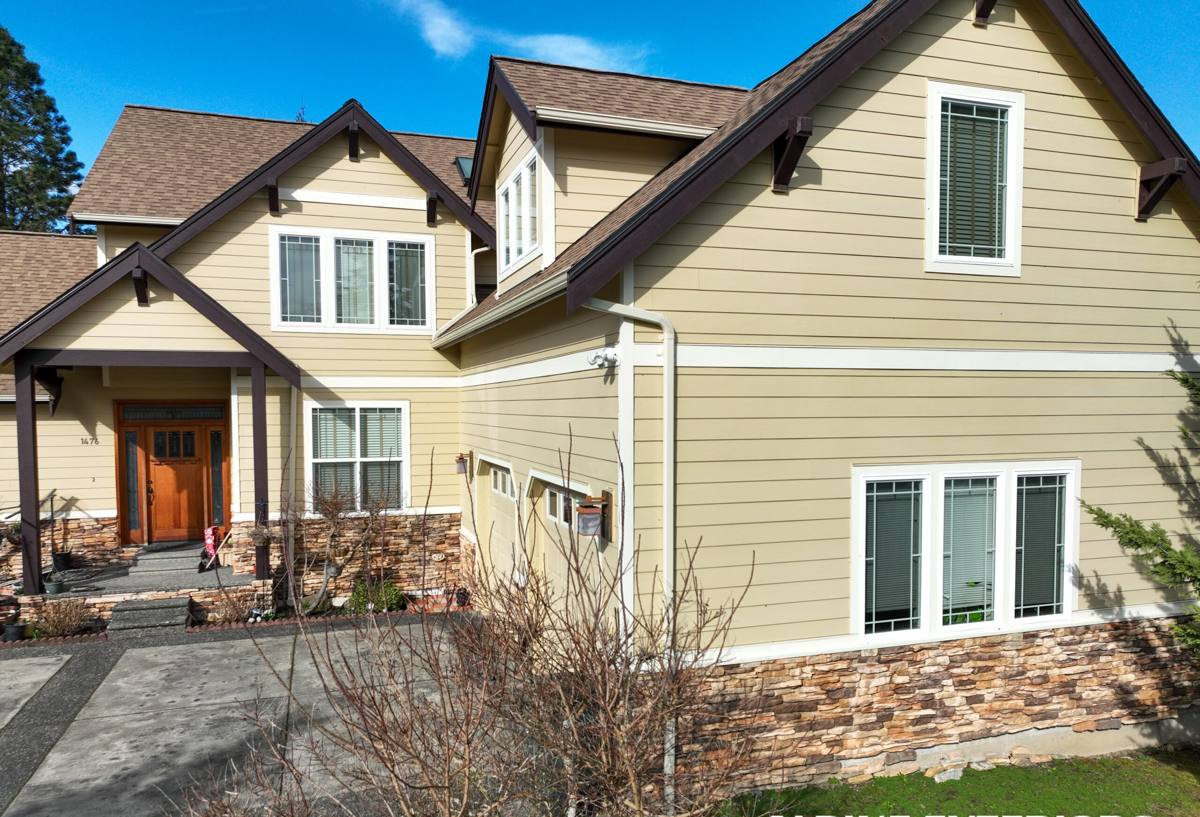
Signs a Sehome Home Needs Window Replacement
Most homeowners don't wake up one day and decide to replace windows — something nags at them first. In this climate, the common triggers are:
- Fog or moisture trapped between panes on double- or triple-glazed units — the seal has failed and the gas fill is gone
- Visible gaps or soft wood at the sill or bottom corners, often where rain has been sitting against the frame for years
- Windows that are noticeably harder to open than they used to be, or that no longer latch tight
- A cold draft along the frame edge in winter, even with the window shut and locked
- Paint that keeps failing on the exterior trim around the window no matter how often it's touched up
- Visible moss or dark streaking building up on the sill or the trim below the window
Any one of these on its own might just mean a repair. Two or three together, especially on a window that's original to an older home, usually means the frame or seal is past the point where patching makes sense.
What Whatcom County's Climate Actually Does to Windows
Salt Air
Proximity to the bay means airborne salt settles on exterior surfaces, including window hardware and metal flashing. Over years, that accelerates corrosion on hinges, locks, and screws, and it can degrade certain finishes faster than a manufacturer's warranty assumes for an inland installation. It's not dramatic — it's slow, cumulative wear that shows up as pitted hardware and stiff mechanisms sooner than you'd expect.
Driving Rain
Rain here doesn't just fall — wind pushes it sideways against west- and south-facing walls for days at a stretch during the wet months. That means window flashing and sealant have to actually shed water outward and downward, not just look sealed. A window that's caulked shut but not properly flashed can still let water track behind the trim and into the wall cavity, where it won't show up until there's already rot.
Moss and Shade
Homes tucked under tree cover or on the shadier side of a lot stay damp longer after every rain. Wood sills and lower sashes in those spots are the first to show soft spots, and moss gets a foothold on horizontal surfaces like sills and stools faster than on siding. It's a slow-moving problem, which is exactly why it gets ignored until it isn't.
Choosing the Right Window for This Climate
There's no single "best" window material — the right choice depends on exposure, budget, and how much upkeep you want to take on. Here's how the common options actually perform in a Whatcom County setting:
| Material | How it handles salt air and rain | Maintenance | Typical fit |
|---|---|---|---|
| Vinyl | Doesn't corrode; good moisture resistance | Low — occasional cleaning | Most homes, budget-conscious replacements |
| Fiberglass | Excellent — stable in wet, salty conditions, minimal expansion/contraction | Low | Exposed or coastal-facing walls |
| Aluminum-clad wood | Good exterior protection, but hardware and cladding seams need attention near salt air | Moderate | Homes wanting a wood interior look |
| Solid wood | Most vulnerable to moisture and rot without diligent upkeep | High — regular painting/sealing | Historic character homes where owners commit to maintenance |
We'll walk through these trade-offs on-site rather than push one product line. A shaded, rain-exposed wall and a sunny, sheltered wall on the same house can reasonably call for different choices.
What a Correct Installation Actually Involves
The window unit itself is only part of the job. Most window failures we see in this area trace back to installation shortcuts, not product defects. A proper replacement includes:
Removal and Inspection
Once the old window is out, we check the rough opening and sill for hidden rot or moisture damage before anything new goes in. Covering up a compromised sill with a new window just delays the same problem.
Flashing and Water Management
Flashing tape and pan flashing at the sill are what actually direct water out and away from the wall assembly — caulk alone is a backup, not a system. Given how much driving rain this area gets, this step is the difference between a window that lasts decades and one that causes a wall repair five years from now.
Setting, Shimming, and Insulating
The unit gets shimmed level and plumb, fastened per the manufacturer's schedule, and the gap around the frame is insulated — not packed solid, which can bow the frame, but filled enough to stop air movement.
Sealing and Trim
Exterior sealant goes on last, over the flashing, using a sealant rated for this region's temperature swings and constant moisture exposure. Interior and exterior trim is reset or replaced to match.
Our Process for a Sehome Window Replacement
- On-site assessment — we look at each window's exposure (sun, shade, wind direction) individually rather than treating the whole house the same
- Product recommendation — matched to that window's exposure and your budget, with the trade-offs explained plainly
- Written estimate — clear on scope, materials, and timeline, no vague allowances
- Removal and prep — including a check for hidden moisture damage before new flashing goes in
- Installation — flashing, setting, insulating, and sealing done in that order, not skipped or combined to save time
- Final walkthrough — operation, locks, and exterior sealant checked with you before we consider the job done
What Affects the Cost
Every home is different, but the main cost drivers on a Sehome window replacement are consistent:
| Factor | Why it matters |
|---|---|
| Window material | Vinyl is generally the most affordable; fiberglass and clad-wood cost more upfront but hold up better in exposed spots |
| Number and size of openings | Larger or custom-sized units cost more than standard replacement sizes |
| Hidden rot or damage | If the sill or framing is compromised, repair work adds to the scope — this is common on older, shaded walls |
| Access and story height | Second-story or hard-to-access windows take more setup time |
| Trim and interior finish work | Matching existing trim or repainting adds labor beyond the window swap itself |
We give a written estimate before any work starts, and if we find hidden damage once we open a wall up, we stop and talk to you before proceeding — no surprise change orders after the fact.
Why a Crew That Already Works Sehome Makes a Difference
Window replacement isn't exotic work, but knowing this specific area helps in practical ways. We know which orientations in this neighborhood take the worst of the rain, which older homes tend to have original wood windows with sills that need close inspection, and how much moss buildup on a north-facing sill is normal versus a sign of a bigger moisture problem. That's not guesswork — it's pattern recognition from doing this work on homes like yours, in this weather, repeatedly.
It also means we're not guessing at permitting or code requirements for Whatcom County — we handle that as part of the job so you don't have to chase it down separately.
Keeping New Windows Performing After Installation
A correctly installed window still benefits from basic upkeep in this climate:
- Clear debris and moss from sills and tracks a couple of times a year, especially on shaded or north-facing windows
- Check exterior sealant annually for cracking or gaps, particularly after a hard winter
- Operate locks and hardware periodically so they don't seize up between seasons
- Rinse salt residue off exterior hardware and frames if your home has direct exposure toward the water
- Watch for any new staining on interior sills or trim, which is often the earliest sign of a developing leak
None of this is heavy maintenance — it's the kind of five-minute check that catches a small problem before it becomes a wall repair.
Get a Straight Answer on Your Windows
If you're dealing with drafty, foggy, or sticking windows in Sehome, we're glad to take a look and give you an honest read on what's actually going on — repair versus replacement, and what it would take either way. Use the form below to request a free, no-pressure estimate.