 Chuckanut Exterior
 Storm Damage Roof Repair for Silver Beach
When a storm rolls through the Silver Beach area, the roof takes the first hit and usually the worst one. Wind off the water, driving rain, and debris can lift shingles, tear flashing loose, and open up small gaps that don't look like much from the ground but let water into the house within days. We repair storm-damaged roofs for homes in and around Chuckanut and the rest of Whatcom County, and we've learned that a "quick patch" mentality is exactly how small storm damage turns into a much bigger repair bill a year or two later.
This page covers what storm damage actually looks like on a roof, what a correct repair involves, and how we handle the job from the first call to the final walkthrough.
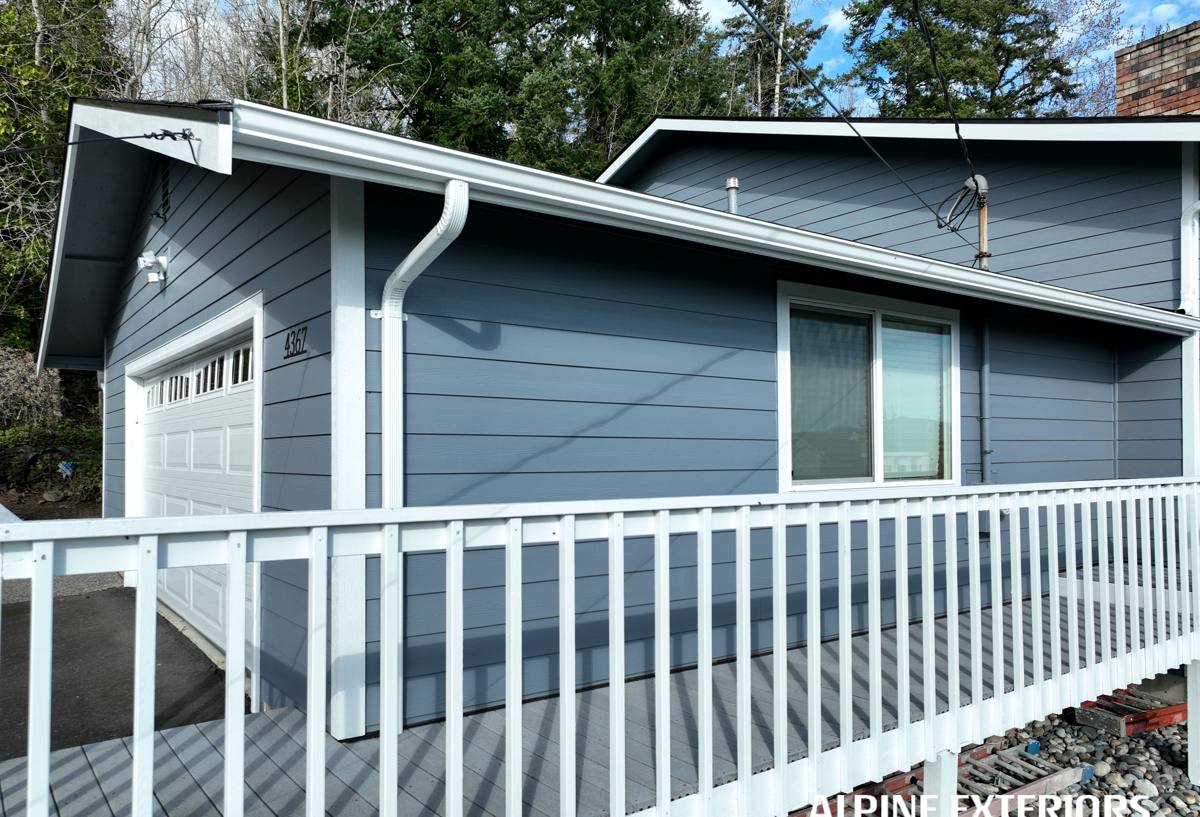
Why Storms Hit This Area Harder Than People Expect
Whatcom County weather isn't dramatic compared to other parts of the country, but it's relentless, and that matters more than intensity when it comes to roofs. A few things make Silver Beach and nearby Chuckanut properties tougher on roofing than homes further inland:
- Salt air accelerates corrosion on exposed metal fasteners, flashing, and gutter hardware, especially on the side of the roof facing the water.
- Wind-driven rain doesn't just fall straight down here — it gets pushed sideways under shingle edges, ridge caps, and flashing laps that were fine in a normal rainstorm.
- A long, wet moss season means any gap or lifted shingle stays damp for weeks at a time instead of drying out between storms, which speeds up rot and wood decay underneath.
- Trees near the shoreline and along wooded lots shed limbs and debris more readily in high wind, and that debris does its damage on top of a roof surface that's already softened by moisture.
None of this means Silver Beach roofs are poorly built. It means storm damage here needs to be evaluated with the local conditions in mind, not treated like a generic wind event.
What Storm Damage Actually Looks Like
Storm damage rarely announces itself with a hole in the roof. Most of what we find during post-storm inspections is subtler:
- Shingles that are lifted, curled, torn, or missing entirely, often starting at eaves, ridges, and rake edges where wind uplift is strongest.
- Ridge cap shingles cracked or blown loose — a common failure point in sustained wind.
- Flashing pulled away from chimneys, skylights, vent pipes, or where the roof meets a wall or dormer.
- Granule loss or bruising on shingles from wind-blown debris or hail, which weakens the shingle's water resistance even when it still looks intact.
- Gutters and downspouts bent, pulled off the fascia, or clogged with storm debris, which redirects water back up under the roof edge instead of away from the house.
- Direct impact damage from a fallen limb, which can range from a few cracked shingles to punctured decking.
The tricky part is that a lot of this is only visible up close or from the attic side, which is why a proper inspection matters more than a drive-by look from the street.
What a Correct Storm Repair Actually Involves
A Real Inspection, Not a Guess
We look at the whole roof system, not just the spot that's obviously damaged. Wind and water rarely stay in one place. If we find lifted shingles on one slope, we check the ridge, the flashing details, and the attic decking underneath for moisture before we call the job scoped.
Matching Materials the Right Way
Patching in the wrong shingle profile, color lot, or fastening pattern is one of the most common shortcuts we see from rushed repair jobs. It can look fine for a season and then fail early because the new material doesn't shed water the same way the surrounding roof does. We match materials and installation method to what's already on the roof whenever possible, and we're upfront with homeowners when an exact match isn't realistic so it's not a surprise later.
Flashing and Underlayment Come First
Shingles get the attention, but flashing and underlayment are what actually stop water. A storm repair that replaces a few shingles but ignores a compromised flashing lap or torn underlayment underneath hasn't actually fixed the leak path — it's just covered it back up.
Paper Trail for Insurance
We document damage with photos and a written scope before any repair starts. If a claim is involved, that documentation needs to hold up on its own, independent of memory or a verbal description weeks later.
Repair or Replace: How We Make That Call
Not every storm-damaged roof needs a full replacement, and not every roof can be reasonably patched. The decision usually comes down to a handful of factors:
| Factor | Leans Toward Repair | Leans Toward Replacement |
|---|---|---|
| Extent of damage | Isolated to one area or slope | Widespread across multiple slopes |
| Roof age | Under roughly 10-12 years, materials still in good shape elsewhere | Nearing or past expected service life |
| Material availability | Matching shingles or metal still obtainable | Discontinued product, poor color/profile match |
| Underlying decking | Dry, sound sheathing under the damaged area | Soft, rotted, or water-stained decking found |
| Insurance scope | Adjuster approves targeted repair | Adjuster approves full slope or full roof |
We'll always tell you honestly which side of that table your roof falls on. A repair that's cheaper today but doesn't hold up isn't actually cheaper.
Our Process, Start to Finish
1. Fast Response and Temporary Protection
If your roof is actively leaking or exposed, the first priority is stopping further water intrusion — tarping or temporary sealing of the damaged area while we schedule the full inspection.
2. Full Inspection and Written Scope
We walk the roof, check the attic where accessible, and put together a written scope that spells out exactly what's damaged and what the repair involves — no vague line items.
3. The Repair Itself
Work is done to match the existing roof's material and installation detail, with particular attention to flashing, fastening pattern, and proper shingle exposure for wind resistance — not just visual matching.
4. Cleanup and Walkthrough
We clear debris, check gutters are clear and reattached properly, and walk the completed repair with you before calling the job done.
Working With Your Insurance Company
We provide honest, accurate documentation — what's actually storm-related damage versus what's pre-existing wear. Inflating a claim or padding a scope to chase a bigger payout isn't something we do, and it's not something a reputable adjuster respects either. What does help is a contractor who knows what wind-driven rain damage looks like on this coastline specifically, since that's often the difference between a claim getting approved on the first pass or getting kicked back for more information.
After a Storm: What to Check First
If you suspect storm damage, here's a reasonable starting checklist before a contractor even arrives:
- Look for shingle debris or granules collecting in gutters, downspouts, or on the ground near the house.
- Check ceilings and upper closets for new water stains or damp spots, especially after heavy wind-driven rain.
- From the ground, look for visibly missing, lifted, or curled shingles — don't climb up to inspect the roof yourself.
- Note the date and general weather conditions of the storm for your records.
- Avoid signing anything with a contractor who shows up unsolicited right after a storm and pushes for an immediate decision — get a second, local opinion first.
- If there's active leaking, use a bucket or tarp for interior protection and call for an inspection promptly rather than waiting out the season.
Why a Crew That Already Works Silver Beach Matters
Storm damage repair isn't just a checklist — it's judgment calls about what's actually compromised versus what's cosmetic, and that judgment gets sharper with local, repeated experience. A crew that regularly works roofs in the Silver Beach and Chuckanut area already knows which wind exposures cause the most uplift, how fast salt air corrodes fasteners on the water-facing side of a roof, and how the moss season here affects a repair's long-term performance if it isn't done right the first time. That's different from a traveling storm-response crew that's in town for a few weeks and gone before the next season shows whether the repair actually held.
If you've got storm damage on your roof — or you're just not sure whether what you're seeing is worth a look — we're happy to come out for a free, no-pressure estimate. There's a form below to get that started.