 Chuckanut Exterior
 Energy-Efficient Windows Built for Sedro-Woolley's Climate
Homeowners in Sedro-Woolley deal with a specific mix of weather that most window installers never have to think about: salt-laden air moving in off the water, long stretches of driving rain, and a moss season that seems to start earlier and last longer every year. None of that is a problem for a properly installed, correctly specified window. But it is a problem for windows that were installed fast, sealed cheaply, or picked without the local climate in mind. Over a few winters, those shortcuts show up as fogged glass, soft frames, drafts around the sash, and heating bills that creep up every year instead of settling down.
This page covers what an energy-efficient window job actually needs to look like for a Sedro-Woolley home — what to ask for, what a correct installation involves, and why hiring a crew that already works this specific area matters more than most homeowners realize.
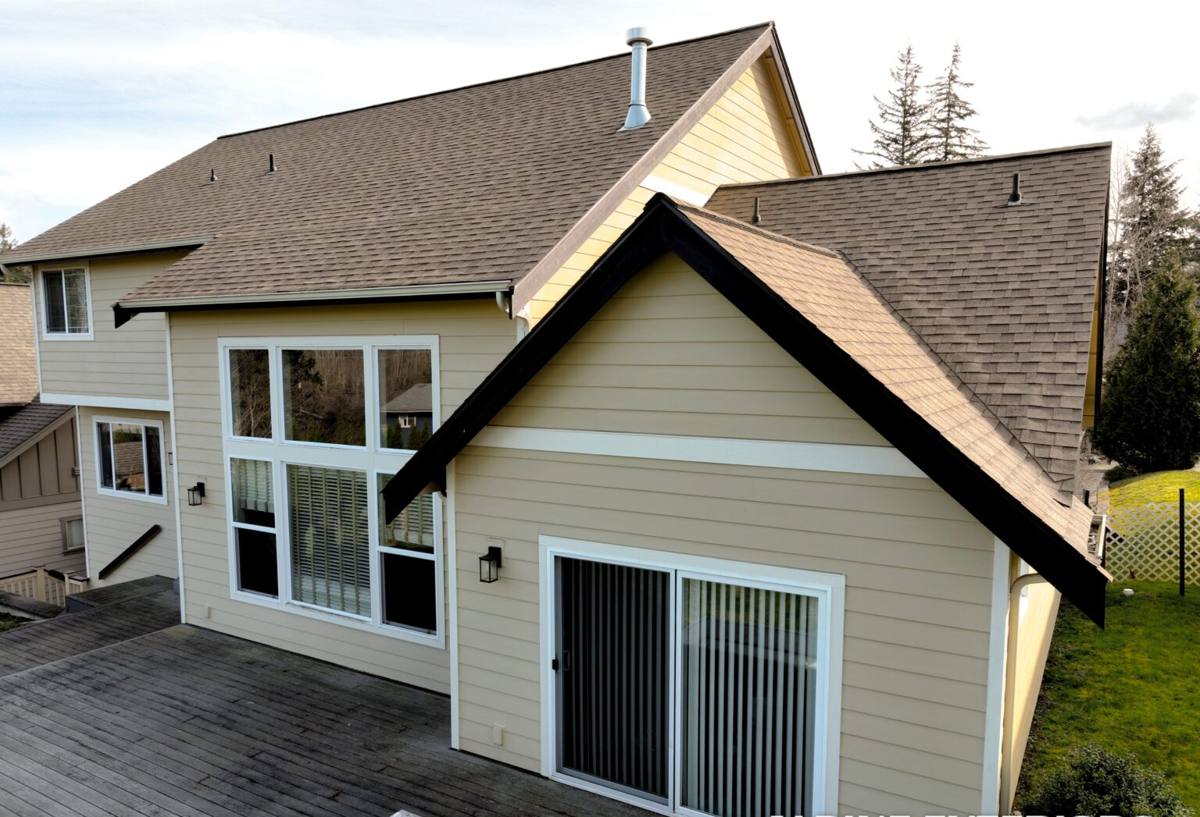
Why Local Climate Changes the Window Equation
Salt Air and Metal Components
Homes closer to the water pick up airborne salt that settles on window hardware, screens, and exposed fasteners. Over time, salt exposure accelerates corrosion on lower-grade hinges, locks, and cranks — the kind of hardware that comes standard on budget window lines. It's not that salt air destroys windows overnight; it's that it shortens the useful life of anything not rated for coastal-adjacent conditions. Choosing hardware finishes and frame materials that hold up to this exposure is a decision made before installation day, not something you can fix after.
Driving Rain and Water Management
Wind-driven rain doesn't just hit a window — it pushes water sideways and upward into any gap in the flashing or sealant. A window that would perform fine in a calm, dry climate can leak here if the flashing details, sill pan, and sealant joints aren't done correctly. Most of the water damage we see around older or poorly installed windows didn't come from the glass unit failing — it came from water getting behind the frame through a flashing detail that was skipped or rushed.
Moss, Moisture, and Wood Rot
A long moss season means prolonged dampness against siding, trim, and window casings, especially on north-facing walls and anywhere shaded by trees. Wood-framed windows and trim that sit in that kind of persistent moisture need either a rot-resistant material choice or vigilant maintenance — often both. Vinyl and fiberglass frames sidestep a lot of this risk, but the wood trim and sill framing around any window is still exposed and still needs proper flashing and drainage so water doesn't sit and soak in.
What "Energy-Efficient" Actually Means in Practice
Energy-efficient windows are a system, not a single feature. Glass, frame, and installation all have to work together, or the efficiency numbers on the label don't translate into a lower heating bill.
- Glass package: Double-pane with low-E coatings and argon gas fill is the practical standard for this climate — it cuts heat loss in winter and reduces solar heat gain in summer without the added cost of triple-pane, which rarely pencils out for our moderate Pacific Northwest temperature swings.
- Frame material: Vinyl and fiberglass frames resist moisture and don't require repainting, which matters given how much of the year this area spends wet. Wood frames offer a classic look but need consistent upkeep to hold up through repeated wet-dry cycles.
- NFRC ratings: Look for U-factor (how well the window resists heat transfer — lower is better) and Solar Heat Gain Coefficient (how much solar heat passes through — moderate is usually right for our climate). These numbers matter more than marketing terms like "energy-efficient" printed on a box.
- Air infiltration rating: A window can have great glass and still leak air around a poorly weatherstripped sash. This rating is often overlooked but directly affects drafts.
What a Correct Installation Involves
The window unit itself is maybe half the job. The other half is how it goes into the wall, and that's where most performance problems and future leaks actually start.
Removing the Old Window Properly
This means checking the framing and sill underneath for hidden rot or water staining before anything new goes in — a step that gets skipped when a crew is rushing through a job. If there's damage back there, it needs to be addressed now, not covered up.
Flashing and Sill Pan
A correctly flashed opening directs any water that gets past the window itself back out, not into the wall cavity. This is the single most important step for preventing the kind of hidden water damage that shows up years later as rot or mold behind the drywall.
Sealing and Insulating the Gap
The space between the window frame and the rough opening needs to be insulated and air-sealed correctly — not overpacked with expanding foam, which can bow the frame, and not left with gaps that let air and moisture through.
Exterior Trim and Caulking
The finish work on the outside is what stands between your wall assembly and the next year of driving rain. Caulk joints need to be continuous and the right materials for the exposure, especially on walls that take direct wind and rain.
Signs Your Sedro-Woolley Home's Windows Need Attention
- Visible fog or moisture between the glass panes — the seal has failed and the insulating gas is gone
- Drafts you can feel near the frame, even with the window fully closed and locked
- Soft or discolored wood trim around the window, especially on north- or west-facing walls
- Windows that are difficult to open, close, or lock — often a sign the frame has shifted or swollen
- Visible corrosion on hardware, cranks, or hinges
- A noticeable rise in heating costs without any change in usage habits
- Green or black staining on trim or siding directly below or beside a window
Comparing Frame Materials for This Climate
| Frame Material | Moisture/Salt Resistance | Maintenance | Typical Cost Position |
|---|---|---|---|
| Vinyl | Strong — won't rot or corrode | Low; occasional cleaning | Budget to mid-range |
| Fiberglass | Strong — very stable in temperature and moisture swings | Low | Mid to upper range |
| Wood (clad or unclad) | Moderate — exterior cladding helps, but exposed wood needs upkeep | Higher; painting/sealing over time | Upper range |
| Aluminum | Weaker in salt-air exposure unless properly finished; conducts cold | Moderate | Varies widely |
There's no single "best" material for every home — a lot depends on your home's exposure, your budget, and how much upkeep you want to take on. We'll walk through the honest trade-offs for your specific house rather than pushing one product line.
Our Process for a Sedro-Woolley Window Project
- On-site assessment: We look at each window opening, check for existing water damage or rot around the frames, and note exposure conditions on different sides of the house.
- Product selection: We go over frame material, glass package, and hardware finish options based on what your specific exposure calls for — not a one-size-fits-all recommendation.
- Written estimate: Clear scope, materials, and pricing before any work starts.
- Removal and prep: Old windows come out carefully, with the opening checked and repaired if needed before the new unit goes in.
- Installation: Proper flashing, sill pan, air-sealing, and secure fastening — done to hold up against wind-driven rain, not just to look finished.
- Exterior and interior finish: Trim, caulking, and touch-up work completed to a clean, weathertight standard.
- Final walkthrough: We check operation, seals, and finish work with you before calling the job done.
Why Hire a Crew That Already Works in Sedro-Woolley
Window installation isn't a one-size-fits-all trade. A crew that mostly works drier inland climates may not think twice about flashing details that matter a great deal here, where wind-driven rain and salt air are a routine part of the job, not the exception. Working regularly in and around Sedro-Woolley and the broader Whatcom County area means we've seen how these specific conditions affect window performance over time — which failure points show up first, which materials actually hold up, and which shortcuts cause problems two or three winters down the road instead of right away. That local pattern recognition is hard to substitute with a generic install crew passing through on a one-off job.
What Affects the Cost of a Window Replacement
| Factor | Why It Matters |
|---|---|
| Number of windows | Larger projects typically bring a better per-window price than single replacements |
| Frame material and glass package | Vinyl vs. fiberglass vs. wood, and single vs. upgraded low-E/argon glass, shift cost significantly |
| Condition of existing framing | Hidden rot or water damage found during removal adds repair scope |
| Window size and style | Custom shapes, large picture windows, or specialty operable styles cost more than standard sizes |
| Access and site conditions | Second-story or hard-to-reach windows take more labor time |
We don't quote broad ballpark numbers without seeing the actual openings — too many variables affect real pricing for that to be useful. What we can tell you upfront is that we price based on what your home actually needs, not a package deal that may include more or less than you need.
Ready to Talk About Your Windows?
If you're noticing drafts, fogged glass, or trim damage around your windows — or you're just ready to stop losing heat through old, worn-out units — we're happy to take a look. Fill out the form below for a free, no-pressure estimate on energy-efficient window replacement for your Sedro-Woolley home.