 Chuckanut Exterior
 Metal Roofing for Silver Beach Homes
Silver Beach sits close enough to the water that its homes take a different kind of weather beating than roofs just a few miles inland. Salt-laden air, wind-driven rain off Bellingham Bay, and a moss season that can run most of the year all work on a roof at the same time. A metal roof, installed correctly for this specific setting, handles that combination better than most other roofing materials — but "installed correctly for this setting" is the part that gets skipped when a crew doesn't work this neighborhood regularly.
This page covers what a Silver Beach metal roof actually needs to hold up, what a correct installation involves, and how our process is built around the conditions this part of Whatcom County produces.
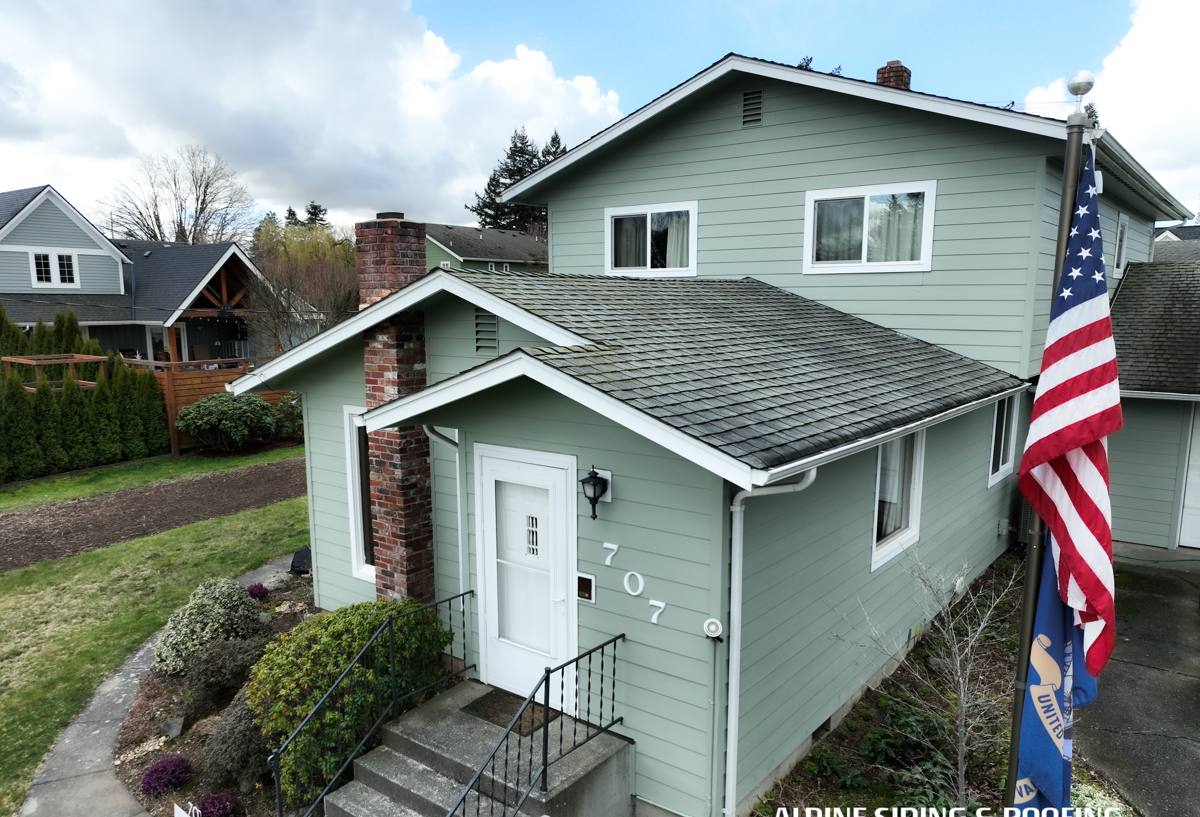
What Chuckanut's Coastal Climate Does to a Roof
Salt Air and Corrosion
Homes near the water deal with airborne salt that settles on every exterior surface, including the roof. Over years, salt exposure accelerates corrosion on fasteners, flashing, and any metal component that isn't rated for a marine or near-marine environment. This is the single biggest reason a generic metal roofing spec — one built for an inland Whatcom County home — isn't the right call for Silver Beach. Fastener coatings, flashing metal, and even panel finish all need to be selected with salt exposure in mind, not swapped in as an afterthought.
Driving Rain
Wind off the bay doesn't just drop rain straight down — it pushes it sideways, up under eaves, and into any gap a standard installation might tolerate on a calmer site. That means underlayment quality, flashing detail at every penetration, and how panels lap at seams all matter more here than they would on a sheltered inland lot.
Moss Season
Western Washington's damp, shaded conditions support moss growth for a good stretch of the year, and north-facing or tree-covered roof sections in Silver Beach see it worst. Moss holds moisture against a roof surface far longer than the surface would otherwise stay wet, which is a bigger problem for some roofing materials than others — and it's one of the practical advantages metal has when it's detailed and maintained properly.
Why Metal Holds Up Well Here — With the Right Details
Metal roofing sheds water fast, doesn't absorb moisture the way organic shingle materials can, and gives moss less to grip onto than a textured asphalt surface. That's a genuine advantage in a moss-heavy, high-rainfall area like Chuckanut. But metal isn't automatically immune to this climate — a roof with the wrong fastener metal, poor flashing at valleys and penetrations, or panels that weren't matched to the site's salt exposure can still corrode, leak, or need early repair. The material gives you a head start; the installation determines whether you keep it.
Choosing the Right Metal Roofing System
Not every metal roofing profile is a good match for a coastal, high-rainfall setting like Silver Beach. Here's how the common options compare for this specific environment:
| System | Best For | Coastal/Moisture Performance | Trade-Offs |
|---|---|---|---|
| Standing seam (concealed fastener) | Most Silver Beach homes near the water | Strong — no exposed fasteners for salt air to attack, excellent water shedding | Higher material and labor cost |
| Exposed-fastener panel | Outbuildings, budget-driven projects | Weaker over time — exposed screws and washers are the first thing salt air degrades | Lower upfront cost, more long-term maintenance |
| Metal shingle / shake profile | Homes wanting a traditional look with metal's durability | Good, provided flashing and underlayment are done to the same standard | More detail work at seams than standing seam |
For most homes in this area, we lean toward standing seam because it removes the weakest point — exposed fasteners — from direct salt exposure. Where a homeowner wants a different look, exposed-fastener or shingle-profile systems can still work well; they just call for closer attention to fastener spec and flashing detail to get the same lifespan out of the roof.
What a Correct Installation Involves
Underlayment
A synthetic, high-temperature-rated underlayment belongs under every metal roof in this climate, not just at eaves and valleys. Given how much wind-driven rain Silver Beach roofs see, self-adhered membrane at eaves, valleys, and around every penetration is worth the extra material cost — it's cheap insurance against the one failure mode that causes the most interior damage.
Fasteners and Flashing
Fastener and flashing metal need to be compatible with the panel metal to avoid galvanic corrosion, and both need a coating rated for salt exposure. This is a detail that's easy to get wrong if a crew is used to specifying for inland conditions — stainless or coated fasteners cost more, but swapping corroding fasteners on a roof five years in costs a lot more.
Ventilation
Metal roofs need proper attic or roof-deck ventilation to prevent condensation from forming on the underside of the panels — a problem that shows up as what looks like a leak but is actually moisture generated from inside the house. In a damp climate like this one, getting ventilation right the first time avoids a callback that's easy to misdiagnose.
Panel Seams and Penetrations
Every roof penetration — vents, chimneys, skylights — is a place water can find a way in under sideways rain. Correct seam type for standing seam panels, and properly sealed boots and counterflashing at every penetration, are what actually keep a metal roof watertight through a Chuckanut winter.
Our Process for Silver Beach Homes
- Roof and site assessment — we look at existing roof condition, deck integrity, ventilation, and how exposed the home is to wind and salt air off the bay.
- System recommendation — we walk through panel profile, finish, and fastener options suited to the home's specific exposure, not a one-size-fits-all spec.
- Tear-off and deck check — old roofing comes off and the deck is inspected for moisture damage before anything new goes down.
- Underlayment and flashing — full synthetic underlayment with reinforced membrane at vulnerable points, then flashing at every valley, penetration, and edge.
- Panel installation — panels installed to manufacturer spec with fasteners and clips rated for coastal exposure.
- Final walkthrough — we go over the finished roof and basic care with the homeowner before we consider the job done.
Living With a Metal Roof in Chuckanut
A correctly installed metal roof is low-maintenance, but "low" isn't "none" — especially with moss season working against you for a good part of the year. A little seasonal attention goes a long way toward getting the full lifespan out of the investment.
- Clear debris and needles from valleys and around penetrations each fall, before the wet season sets in
- Check for moss buildup on shaded or north-facing sections and remove it before it holds moisture against the surface
- Keep gutters clear so water isn't backing up under eave flashing during heavy rain
- Have flashing and sealant points inspected periodically, especially after major windstorms
- Rinse off salt residue on sections with heavy wind exposure when practical
Cost Factors for Silver Beach Metal Roofing
Every roof is different, but the same handful of factors drive cost on most projects in this neighborhood:
| Factor | Why It Matters Here |
|---|---|
| Panel system chosen | Standing seam costs more upfront than exposed-fastener panel but needs less maintenance and holds up better to salt air |
| Roof complexity | Valleys, dormers, and multiple penetrations mean more flashing work, which is where leaks start if rushed |
| Existing deck condition | Moisture damage from a prior roof (common with a long moss history) may need deck repair before new roofing goes on |
| Underlayment upgrade | Full high-temp synthetic underlayment with reinforced membrane costs more than minimum code but pays off in a wet, windy climate |
| Fastener and flashing spec | Coastal-rated fasteners and flashing cost more than standard-grade but avoid early corrosion |
We'll walk through these factors specific to your home during an estimate rather than quoting a generic per-square-foot number that doesn't account for your roof's actual exposure and complexity.
Why Local Experience in Silver Beach Matters
A roofing crew that regularly works this stretch of Chuckanut and greater Whatcom County already knows how the wind comes off the bay, which roof orientations hold moss longest, and which fastener and flashing specs actually hold up here rather than just meeting minimum code. That's the difference between a metal roof that needs attention in five years and one that quietly does its job for decades. It also means we're not learning the neighborhood's quirks on your project — we already know them.
If you're weighing a metal roof for your Silver Beach home, we're happy to take a look and give you a straightforward, no-pressure estimate — no invented urgency, just an honest read on what your roof needs. Use the form below to get started.