 Chuckanut Exterior
 Deck Repair Built for Fairhaven's Coastline, Not a Generic Climate
A deck in Fairhaven doesn't fail the same way a deck fails inland. The combination of salt-laden air off the water, driving rain that comes in sideways more often than straight down, and a moss season that can stretch from October into May puts a specific kind of stress on outdoor structures here. Chuckanut Exterior Companies repairs decks in this part of Whatcom County on a regular basis, and the damage we see is consistent enough that we can usually tell a homeowner what's wrong before we finish walking the perimeter.
This page covers what deck repair actually means for a Fairhaven property — not a generic "deck services" rundown, but what the local climate does to decking, what a repair should include to actually hold up, and how we approach the job.
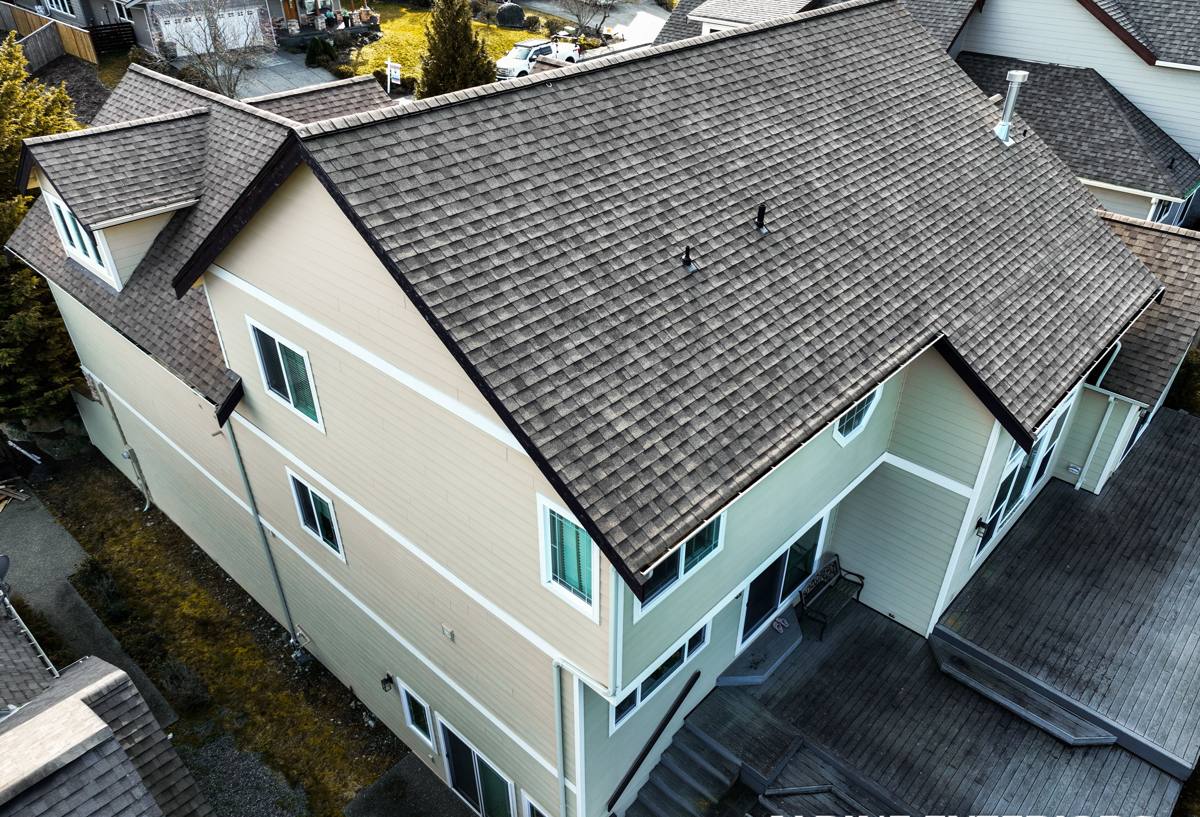
What Chuckanut's Climate Does to a Deck Over Time
Salt Air and Metal Fasteners
Fairhaven sits close enough to the water that airborne salt is a real factor in how fast hardware corrodes. Nails, screws, and joist hangers that aren't rated for coastal exposure start rusting years before they would inland. Once a fastener rusts, it loses grip strength and can stain the surrounding wood or composite — that reddish-brown streaking around screw heads is usually the first visible sign of a hardware problem, not just a cosmetic one.
Moss, Algae, and Trapped Moisture
The long wet season in this region means moss and algae get a real foothold on any deck surface that doesn't dry out quickly — shaded sections, north-facing decks, and areas under trees are the usual trouble spots. Moss isn't just unsightly. It holds moisture directly against the wood or decking surface, which accelerates rot underneath even when the top looks fine. By the time moss is visibly thick, there's often softening happening below it that a quick pressure wash won't fix.
Driving Rain and End-Grain Exposure
Wind-driven rain off the water pushes water into places a vertical rain wouldn't reach — under railings, into the end grain of boards, and behind ledger board flashing. End grain is the most absorbent part of any piece of lumber, and it's usually the first place rot shows up on a board that otherwise looks sound.
Signs Your Fairhaven Deck Needs Repair, Not Just Cleaning
Some deck problems are obvious. Others hide until a board gives way underfoot. Here's what we tell homeowners to check for before deciding a deck just needs a wash:
- Soft or spongy spots when you walk across the deck, especially near the house or along the perimeter
- Rust streaking or bleeding around screw heads and nail holes
- Persistent moss or dark staining that comes back within weeks of cleaning
- Gaps opening up between boards, or boards that have started to cup or crown
- Railing posts that wiggle when pushed, or a top rail that flexes more than it should
- Visible daylight or water staining where the deck meets the house (the ledger board connection)
- Stair stringers that feel loose or show splitting near the fasteners
Any one of these on its own might be minor. Several together usually mean the deck has been absorbing moisture for a while and it's worth a proper inspection before it becomes a safety issue.
What a Correct Deck Repair Actually Involves
Structural Checks Come First
Before we touch a single board on the surface, we check what's underneath: the ledger board attachment to the house, the condition of the joists, post bases, and any hardware that's been exposed to years of salt air. Replacing decking on top of a compromised structure is a repair that looks fine for a season and then fails — we won't do that kind of work.
Surface Repair: Match the Fix to the Damage
Once the structure checks out, surface repair depends on how localized the damage is. A handful of rotted or cupped boards can usually be replaced individually. Widespread graying, moss staining, or fastener corrosion across most of the deck often points toward a fuller resurfacing rather than patching board by board, since patchwork repairs on an aging deck tend to age unevenly.
| Repair Type | What It Fixes | Good Fit When |
|---|---|---|
| Spot board replacement | Individual rotted, cupped, or split boards | Damage is limited to a few boards; rest of deck is sound |
| Fastener and hardware upgrade | Rust-streaked, loosening, or corroded connectors | Structure is fine but original hardware wasn't coastal-rated |
| Railing and post repair | Loose posts, flexing top rails, rotted balusters | Safety concern isolated to the railing system |
| Ledger board and flashing repair | Water intrusion where deck meets house | Staining, soft wood, or gaps at the house connection |
| Full resurfacing | Widespread wear across most of the deck surface | Structure is sound but decking is aged, graying, or moss-prone throughout |
Repair vs. Replacement: When Each Makes Sense
Homeowners often assume a deck showing damage needs to be torn out entirely. That's usually not true if the framing underneath is solid. The framing — joists, beams, posts, footings — typically outlasts the decking surface by a wide margin if it was built correctly and hasn't had sustained water exposure. Our general approach:
- If the framing is sound and damage is limited to the surface or hardware, repair is almost always the right call — it costs less and keeps a deck you already know performs well in this climate.
- If we find rot in structural framing members, especially near the ledger board or posts, that's when replacement of those sections (or the full deck) becomes the honest recommendation, because patching around compromised structure doesn't hold up.
- Age alone isn't a reason to replace. A well-built deck from decades ago can often be repaired and refreshed rather than torn out, as long as the bones are still good.
Materials We Use for Coastal Repairs
What goes into a repair matters as much as the labor. For hardware, we use fasteners and connectors rated for coastal or ground-contact exposure rather than standard interior-grade hardware — the upfront cost difference is small compared to redoing a repair in a few years because the screws rusted through. For decking material, both pressure-treated lumber and composite decking have a place here:
- Pressure-treated lumber is a reasonable, budget-friendly match for spot repairs on an existing wood deck, since matching material keeps the repair consistent with what's already there. It does need regular sealing to hold up against the wet season.
- Composite decking resists moss growth and moisture absorption better over the long run, which can matter more on shaded or north-facing sections of a Fairhaven deck. It costs more upfront and isn't always the right call for a partial repair on an otherwise wood deck, since mixing materials has its own trade-offs in appearance and how the sections age differently.
We'll walk through the honest trade-offs for your specific deck rather than defaulting to one material for every job.
Our Process for a Fairhaven Deck Repair
- On-site inspection — we check the structure first, then the surface, and flag anything hidden under moss or staining that needs a closer look.
- Written scope — you get a clear breakdown of what's structural, what's cosmetic, and what we recommend fixing now versus what can wait.
- Repair work — matched to the scope: board replacement, hardware upgrades, railing work, ledger repair, or resurfacing, done in the order that makes the deck safe first.
- Cleanup and check — we clear debris and walk the deck with you before calling the job done.
Maintenance That Actually Slows Down the Next Repair
No deck in this climate is maintenance-free, but a few habits meaningfully extend the time between repairs:
- Sweep debris off the deck regularly, especially in shaded areas where moss takes hold fastest
- Rinse or lightly wash the surface a couple of times a year to knock back algae before it establishes
- Reseal wood decking on the schedule the sealant manufacturer recommends — driving rain wears sealant down faster here than in drier climates
- Check railing hardware annually for the rust streaking that signals a fastener starting to fail
- Keep gutters and downspouts clear so runoff isn't dumping extra water directly onto the deck
Why a Local Chuckanut Crew Matters for This Job
Deck repair isn't a one-size-fits-all trade. A crew that mostly works drier, inland climates may not think to check for the coastal-hardware corrosion or the shaded-side moss buildup that's routine for us in Fairhaven. Working this stretch of Whatcom County regularly means we've seen how decks here actually fail — which is different from how a general contractor's checklist assumes they fail. That translates into repairs that address the real cause instead of just patching what's visible.
If you're seeing soft spots, rust staining, stubborn moss, or a railing that doesn't feel as solid as it used to, we're glad to come take a look. Reach out for a free, no-pressure estimate using the form below — we'll tell you honestly what needs fixing and what can wait.