 Chuckanut Exterior
 Why Bellingham Windows Take More Than a Standard Install
Bellingham sits close enough to salt water and open exposure that homes here deal with a different set of stresses than windows built for a dry inland climate. Salt-laden air corrodes hardware and finishes faster than fresh air alone. Wind-driven rain pushes water sideways into gaps that would stay dry in a calmer climate. And the long, wet, low-sun stretch of the year that Whatcom County gets every fall through spring gives moss, algae, and general grime a long runway to establish itself on sills, tracks, and exterior trim.
None of that means every window here needs to be exotic or overbuilt. It means the frame material, the glass package, and — most of all — the installation details need to match the exposure of the specific wall they're going into. A window on a covered, north-facing wall in a sheltered part of Chuckanut doesn't need the same spec as one facing open weather. Custom work is about matching the window to the house, not upselling the most expensive option across the board.
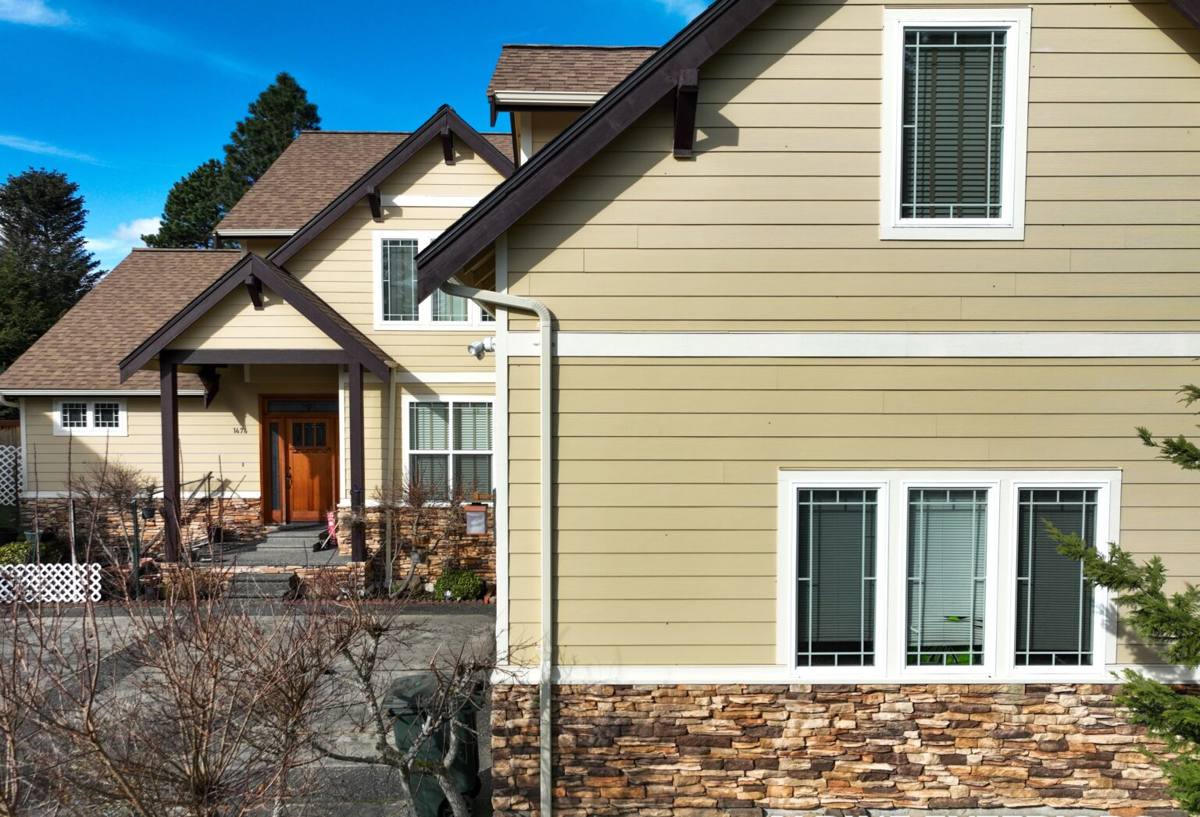
What "Custom" Actually Means in Practice
"Custom windows" doesn't have to mean unusual shapes or high-end architecture, though we do that too. Most of the custom work we do in Bellingham is simpler than that: older homes in this area were often built with openings that don't match today's standard window sizes, and decades of settling, past remodels, or original construction quirks mean two windows on the same wall can be off from each other by a noticeable margin.
Custom fabrication means we build or order the window to fit the actual opening, rather than forcing a stock size into a hole it doesn't quite match and papering over the gap with extra trim and caulk. That distinction matters a lot in a climate that gets sustained rain — a window that's shimmed and caulked to fit an opening it wasn't built for is exactly where leaks start, usually years down the road rather than immediately.
Common Reasons Bellingham Homeowners Need Custom Sizing
- Older construction with non-standard rough openings
- Replacing a single window in a wall of matching windows, where an exact match matters for appearance
- Converting a smaller window to a larger one for light or a view
- Bay, bow, or angled openings that don't come in stock sizes
- Additions or remodels where the framing was built around a specific window plan
Frame and Glass Choices That Hold Up in This Climate
Frame Materials
There's no single "best" frame material — each has trade-offs, and the right call depends on the wall's exposure, your maintenance appetite, and your budget.
| Material | How it handles salt air and rain | Maintenance |
|---|---|---|
| Vinyl | Doesn't corrode or rot; performs well in coastal air | Low — occasional cleaning |
| Fiberglass | Very stable in temperature swings and moisture; strong long-term option for exposed walls | Low |
| Aluminum-clad wood | Good look, but the wood interior needs the exterior seal to stay intact to avoid moisture getting in | Moderate — watch seals over time |
| Bare wood | Classic appearance, but most exposed to swelling, rot, and finish breakdown in driving rain | Highest — regular refinishing |
For walls that take direct, wind-driven rain — which is common on more exposed lots around Chuckanut and along the water — we generally steer homeowners toward vinyl or fiberglass, or a well-detailed clad option. That's not a knock on wood windows; it's a maintenance-and-moisture conversation. A bare wood window on a sheltered porch can last decades with basic upkeep. The same window facing open weather will demand far more attention to stay sealed and finished.
Glass Packages
Nearly everything we install today is at least dual-pane with a low-E coating and argon gas fill, which is the practical baseline for this climate — it cuts heat loss, reduces condensation on the interior glass, and helps with the fading effect of long gray winters followed by strong summer sun angles. Triple-pane glass adds another layer of insulation and sound dampening, which is worth considering on homes near busier roads or on walls that take the brunt of winter storms, but it adds weight and cost that isn't always necessary on a moderately exposed wall.
The Installation Details That Actually Prevent Leaks
In a climate that gets sustained, sideways rain for days at a time, the window unit itself is often not where problems start — the installation is. A high-quality window installed without proper flashing and drainage will eventually leak. A modest window installed correctly, with attention to how water moves around it, will outperform it.
What a Correct Installation Includes
- Proper flashing integration with the existing wall's water-resistive barrier, not just caulk over the gap
- A sloped sill pan so any water that does get behind the window drains back out instead of pooling
- Weep holes kept clear and functional, especially important given how much debris and moss buildup can accumulate here
- Correct shimming so the window operates square and doesn't rack over time
- Compatible sealants and backer rod at all joints — not just a bead of caulk smeared over the trim
- Interior air sealing in addition to exterior weatherproofing, since condensation problems often trace back to gaps on the inside
This is the part of a window job that isn't visible once it's done, which is exactly why it's the part most likely to get shortcut by a crew that isn't used to working in a wet, coastal-influenced climate. It's also why a window that looks fine for the first year or two can start leaking once the original caulk line ages and moves.
Signs Your Current Windows Are Already Falling Behind
Bellingham's climate doesn't destroy windows overnight — it wears them down gradually, and the early signs are easy to write off as normal aging. Worth checking for:
- Condensation or fogging between the panes (a sign the seal has failed on a dual-pane unit)
- Soft or discolored trim or sill material around the window
- Drafts you can feel near the frame on a windy day
- Difficulty opening, closing, or locking that didn't used to be there
- Visible moss, algae, or dark staining building up on sills or tracks faster than it used to
- Paint or finish that's peeling or bubbling specifically around the window rather than the whole wall
Any one of these on its own isn't necessarily urgent. Several at once, especially on a wall that takes direct weather, usually means the window and its seal are past the point where caulk and touch-up paint will fix it.
How We Approach a Custom Window Job
1. On-Site Assessment
We look at the actual opening, the wall's exposure to wind and rain, the condition of the surrounding siding and trim, and what's driving the replacement — energy loss, leaks, appearance, or a combination.
2. Measuring and Ordering
For true custom sizes, we take precise measurements of the existing opening rather than assuming a stock size will work. This is also when we talk through frame material and glass package based on that specific wall's exposure.
3. Removal and Inspection
Once the old window comes out, we check the framing and sheathing underneath for hidden moisture damage — something that's more common here than in drier climates, and something that needs to be addressed before a new window goes back in, not covered over.
4. Installation
Flashing, sill pan, shimming, and sealing are done to hold up against sustained rain, not just pass a quick visual check.
5. Finish and Walkthrough
Interior and exterior trim work is completed, the window is tested for smooth operation, and we walk through the work with you before calling the job done.
Living With Your Windows: Maintenance in a Salt-Air, Moss-Prone Climate
Even a well-installed window benefits from basic upkeep in this environment. Rinsing salt residue off exterior frames periodically, especially on homes closer to open water, helps hardware and finishes last longer. Keeping weep holes and tracks clear of moss, needles, and debris prevents standing water from sitting against the frame during the wettest months. Checking exterior caulk lines once a year for cracking or separation catches small gaps before they become active leaks. None of this is complicated, but it's the kind of small, regular attention that makes a real difference over a 15-to-20-year window lifespan in a marine climate.
Why Local Experience in Bellingham and Chuckanut Matters
A contractor who mostly works drier, inland climates can still install a window competently, but they're less likely to instinctively account for wind-driven rain patterns, salt exposure, or how aggressively moss and moisture build up here during the wet season. A crew that regularly works Whatcom County homes has already seen how local construction ages under this specific climate — which walls tend to take the worst of the weather, which older framing details need extra attention, and which shortcuts show up as call-backs two winters later.
That local pattern recognition doesn't replace good installation practice, but it does mean fewer surprises and fewer assumptions that don't hold up once the rain sets in for the season.
Get a Straightforward Estimate
If you're weighing whether to repair, replace, or hold off on windows at your Bellingham home, we're glad to take a look and give you an honest read on where things stand. There's no pressure and no obligation — just a clear assessment based on your home's actual exposure and condition. Use the form below to request a free estimate.