 Chuckanut Exterior
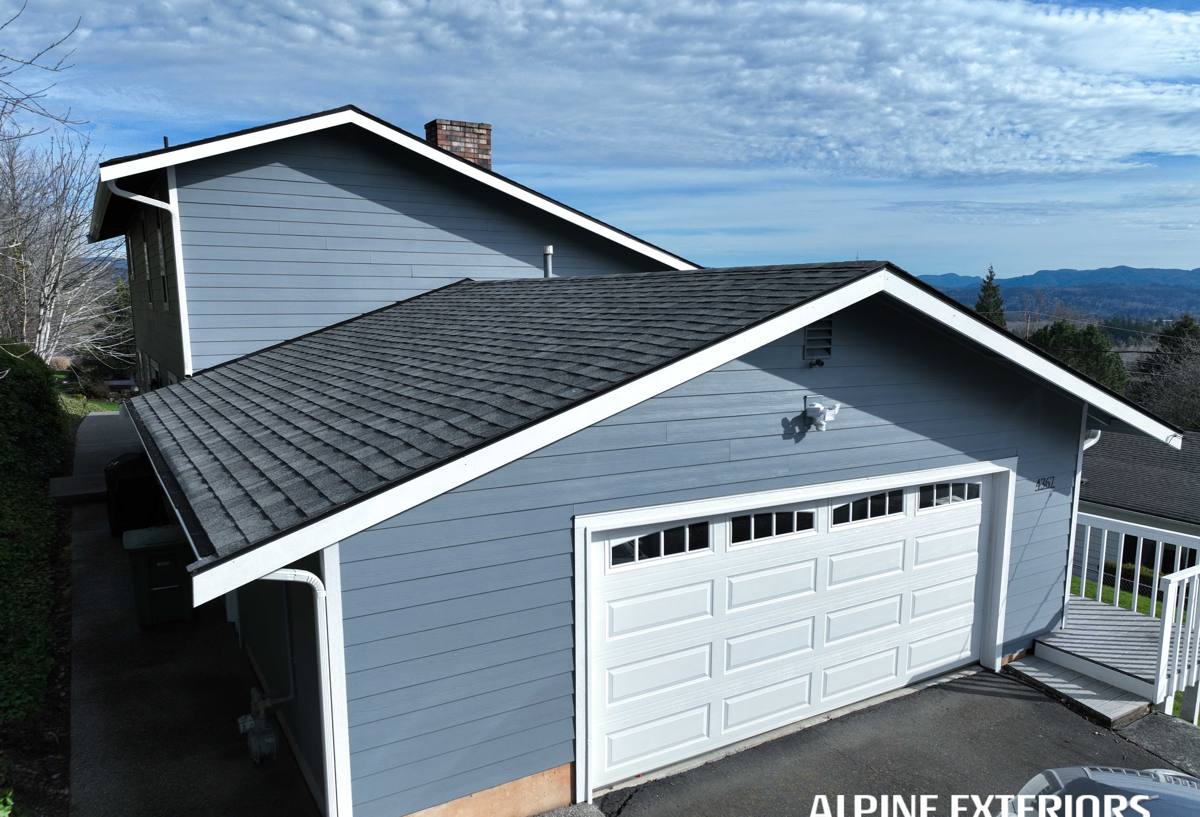
 Asphalt Shingle Roofing Built for Sedro-Woolley's Weather
Asphalt shingles remain the most common roofing material in Sedro-Woolley for good reason: installed correctly, with the right components underneath, they hold up well against everything Western Washington weather can throw at a roof, and they do it at a price that makes sense for most homeowners. The catch is in that phrase "installed correctly." A shingle roof is only as good as the details you can't see from the ground — the underlayment, the ventilation, the flashing around every penetration. Get those wrong and even a premium shingle will underperform. Get them right and a mid-range shingle will outlast its warranty.
This page covers what asphalt shingle roofing actually requires in this part of Washington, what a correct installation looks like, and how our process works for homeowners in and around Sedro-Woolley.
What Western Washington Weather Actually Does to a Roof
Roofs in this region don't usually fail from one dramatic event. They fail slowly, from months of dampness and moss that most homeowners don't notice until a stain shows up on a ceiling. Understanding the wear pattern helps explain why certain installation details matter more here than they would in a drier climate.
A Long, Damp Moss Season
Between the fall rains and the short, cool days of winter and early spring, shade-covered slopes on a Sedro-Woolley roof can stay damp for weeks at a stretch. That's exactly what moss and algae need to take hold. Once moss establishes itself under shingle tabs, it lifts them slightly and holds moisture directly against the granule surface, which speeds up wear and can eventually create a path for water to get underneath. A roof that never fully dries out between storms is a roof that ages faster than the shingle's rated lifespan would suggest.
Wind-Driven Rain Finds the Weak Spots
Rain here rarely falls straight down. Storms moving through the region regularly bring rain at an angle, which pushes water sideways under shingle edges, around chimneys, and into any flashing detail that isn't sealed the way it should be. A roof that would stay bone-dry in a calm rain can leak in a wind-driven storm if the flashing or underlayment wasn't installed with that in mind.
Salt-Influenced Air and Slow Material Breakdown
Proximity to Puget Sound means the air carries a degree of salt influence that inland regions don't deal with. It's a slower, quieter factor than moss or rain, but over years it can accelerate corrosion on exposed metal flashing, fasteners, and drip edge if those components aren't rated for the exposure. It's one more reason material selection matters as much as installation technique.
What a Correct Asphalt Shingle Roof Installation Involves
A shingle roof is a system, not a single product. Every layer underneath the visible shingle does a specific job, and skipping or shortcutting any one of them is where most premature failures start.
Starting With the Deck, Not the Shingles
Before any new material goes down, the roof deck needs to be inspected for soft spots, delamination, or rot — usually found around old penetrations or areas that have taken on moisture over time. Shingles installed over a compromised deck will telegraph that damage back to the surface eventually, no matter how good the shingle is. Any damaged sheathing gets replaced, not covered over.
Underlayment and Ice-and-Water Barrier
The underlayment is the roof's backup plan for the moments when wind-driven rain or ice does get past the shingle surface. In a climate that sees as much sustained wet weather as this one, we treat underlayment as a real line of defense, not a formality. Self-adhering ice-and-water membrane goes in at eaves, valleys, and around penetrations — the spots most likely to see water intrusion during a driving rainstorm.
Ventilation Most Homeowners Never See
A shingle roof needs balanced intake and exhaust ventilation to let the attic breathe. Without it, moisture from everyday household use gets trapped against the underside of the roof deck, which can cause rot from the inside and shortens shingle life from below at the same time it's being worn from above. Ventilation is one of the most overlooked parts of a roofing job and one of the most consequential.
Flashing Is Where Roofs Actually Fail
Chimneys, skylights, vent pipes, and roof-to-wall transitions are where the vast majority of real-world leaks originate — not in the open field of shingles. Correct flashing means properly lapped, sealed, and fastened metal at every one of these transitions, using material that will hold up to the salt-influenced air common in this part of the state.
Choosing the Right Shingle for a Sedro-Woolley Roof
Not every shingle line is built with the same priorities. For this climate, algae and moss resistance, wind rating, and overall installed durability matter more than they would somewhere dry and mild. Here's how the common tiers compare.
| Shingle Type | Typical Lifespan | Moss/Algae Resistance | Best Fit |
|---|---|---|---|
| Standard 3-tab | 15–20 years | Basic; needs proactive maintenance | Budget-conscious projects, secondary structures |
| Architectural (laminated) | 25–30 years | Good, especially with algae-resistant granules | Most primary homes in this climate |
| Premium/designer architectural | 30+ years | Best available in asphalt, with enhanced warranties | Steep-slope, high-visibility roofs, longer-term ownership |
We generally steer homeowners here toward architectural shingles with algae-resistant granules as the practical baseline, simply because the moss and moisture exposure in this region makes that upgrade pay for itself in reduced maintenance and a longer effective lifespan. Standard 3-tab shingles aren't a bad product, but in a climate this wet, they ask more of the homeowner in upkeep than most people want to give.
Our Process, From First Call to Final Walkthrough
We keep the process straightforward because a roof replacement is disruptive enough without added confusion.
- On-site inspection: We walk the roof and the attic, not just the ground view, to assess deck condition, ventilation, and existing flashing before quoting anything.
- Written estimate: A clear scope of work covering tear-off, deck repair allowances, underlayment, shingle selection, and flashing — no vague line items.
- Scheduling around the weather: Given the local climate, we plan tear-off and dry-in to happen the same day whenever possible, and we watch the forecast closely rather than guessing.
- Installation: Deck repair, underlayment, ice-and-water membrane at vulnerable areas, ventilation components, shingles, and flashing, in that order, with attention paid to each layer before the next goes on.
- Cleanup and walkthrough: Job-site debris and fasteners cleared with a magnetic sweep, followed by a walkthrough so you can see the finished work and ask questions before we consider the job done.
Keeping a New or Existing Shingle Roof Ahead of Moss and Moisture
A well-installed roof still benefits from basic upkeep in a climate like this one. None of it is complicated, but skipping it lets small issues turn into bigger ones.
- Keep gutters clear so water isn't backing up under the eave edge during heavy rain
- Trim back overhanging branches to reduce shade, debris, and the moisture retention that comes with both
- Have visible moss growth treated and removed before it spreads under shingle tabs
- Check attic ventilation isn't blocked by insulation or stored items
- Schedule a roof inspection after any major windstorm, not just on a fixed calendar schedule
- Address small flashing or sealant issues promptly rather than waiting for a visible leak
Signs a Sedro-Woolley Roof Needs Attention Now
Some warning signs are easy to miss from ground level, especially on a roof with any pitch or shaded sections. Granule buildup in the gutters, dark streaking or green growth on north-facing slopes, curling or lifted shingle edges, and daylight visible around vent pipe boots are all worth a closer look. Inside the house, a musty attic smell, discolored ceiling patches, or peeling paint near an exterior wall can point back to a roof issue well before it becomes an obvious leak.
Why Hiring a Crew That Already Works Sedro-Woolley Matters
Roofing advice that works in a dry climate doesn't automatically translate here. A crew that regularly works Sedro-Woolley and the surrounding area already knows which shingle lines hold up to sustained moisture and moss pressure, which flashing details actually stop wind-driven rain, and how local permitting and inspection requirements apply to a reroof. That local familiarity shows up in fewer callbacks and a roof that performs the way it's supposed to through the wettest months of the year, not just on a sunny installation day.
If you're weighing a repair, a full replacement, or just want an honest read on where your current roof stands, we're glad to take a look. Use the form below to request a free, no-pressure estimate for your Sedro-Woolley home.