 Chuckanut Exterior
 Roof Repair Built for Columbia's Weather, Not a Generic Job List
Columbia sits close enough to the water and the tree line that its roofs take a different kind of beating than roofs twenty miles inland. Salt-laden air moves in off the water and works on exposed fasteners and metal flashing. Driving rain off Chuckanut Bay finds every gap in a roof system that isn't sealed and shingled correctly. And the long, damp Whatcom County moss season sits on north-facing slopes for months at a time, holding moisture against the roofing material long after a storm has passed. A roof repair here has to account for all three, not just patch the spot where water is currently showing up inside the house.
We work Columbia roofs regularly, which means we already know which slopes in this pocket of Chuckanut hold moss longest, which roof ages are starting to show granule loss from salt exposure, and which older flashing details tend to fail first in this climate. That local pattern recognition is a big part of what separates a repair that lasts from one that reopens in eighteen months.
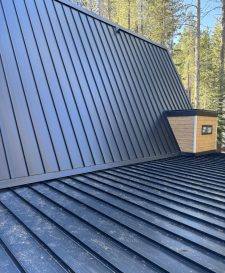
What Columbia Homes Actually Need From a Roof Repair
Most of the repair calls we run in this area fall into a few recurring categories. None of them are exotic — they're just the direct result of a marine, wet climate working on a roof year after year.
Moss and Organic Growth Damage
Moss doesn't just sit on top of shingles looking bad. Its root structure lifts shingle edges, and the mat it forms holds water against the roofing surface far longer than the shingle was designed to tolerate. Over a few seasons that constant moisture exposure degrades the shingle mat, corrodes exposed fasteners, and can work its way under flashing at valleys and penetrations. A repair on a moss-affected roof usually means removing growth safely (not pressure-washing, which can strip granules and force water under shingles), replacing shingles that have already delaminated, and addressing whatever is feeding the moss — usually shade and slow drying on north- or tree-covered slopes.
Salt Air and Metal Component Wear
Flashing, drip edge, roof vents, and exposed fasteners are metal, and metal near the water corrodes faster than it does inland. We see galvanized flashing and fasteners in this area failing well before the shingles around them are due for replacement. A correct repair replaces corroded metal with a material suited to a coastal-influenced climate rather than just patching around it with sealant, which is a short-term fix at best.
Wind-Driven and Wind-Lifted Damage
Storms off the water bring driving rain at an angle, which finds weaknesses that a straight-down rain never would — lifted shingle tabs, marginal nailing patterns, and flashing laps that were never quite tight enough. Repair work after a wind event has to check the whole slope for lifted or creased shingles, not just replace the one or two that are obviously missing.
Interior Leaks From Aging Flashing
Chimney flashing, skylight flashing, and valley flashing are the most common leak sources on an otherwise sound roof. These are metal-and-membrane details doing double duty against both rain volume and wind-driven moisture, and in a wet climate like this they age faster than the field shingles around them.
What a Correct Roof Repair Actually Involves
A roof repair that holds up in Columbia's climate is more than swapping a few shingles. Our process typically includes:
- A full-slope inspection, not just a look at the reported leak spot — water travels under shingles before it shows up inside, so the entry point and the interior stain are often several feet apart
- Checking underlayment condition wherever shingles are removed, since damaged underlayment is often the real reason a leak persists after shingles are replaced
- Matching replacement shingles as closely as possible in type, weight, and where feasible, color and age, so the repair doesn't stand out or create a mismatched wear pattern
- Replacing — not just resealing — corroded or failing flashing, drip edge, and fasteners
- Correcting the underlying cause (shade, poor drainage, undersized gutters, tree overhang) where that's what's driving repeat moss or moisture problems
- A final water test or close visual check at valleys, penetrations, and flashing laps before we consider the job done
Skipping any of these steps is how a roof repair turns into a callback. Resealing over corroded flashing, or replacing shingles without checking the underlayment beneath them, buys a homeowner a few dry months at best.
Repair vs. Replacement: How We Help You Decide
Not every roof problem in Columbia needs a full replacement, and not every leak is fixable with a patch. The honest answer depends on the roof's age, how widespread the damage is, and whether the underlying deck and underlayment are still sound.
| Factor | Favors Repair | Favors Replacement |
|---|---|---|
| Roof age | Under 15-18 years, mid-life | Nearing or past manufacturer's expected service life |
| Damage extent | Localized — one slope, one flashing detail, storm damage in a defined area | Widespread granule loss, multiple slopes affected, recurring leaks in different spots |
| Moss history | First occurrence, caught early | Repeated moss damage over several seasons with shingle degradation underneath |
| Decking condition | Solid, no soft spots found on inspection | Soft or delaminated decking found during repair |
| Shingle match availability | Reasonably close match still available | Discontinued product, patch would be visibly mismatched |
We'll tell you plainly which category your roof falls into. If a repair is the honest answer, that's what we'll recommend and price — we don't push replacement on a roof that doesn't need it.
Why Hiring a Crew That Already Works Columbia Matters
A roofer unfamiliar with this specific stretch of Chuckanut and Whatcom County can still do competent general roofing work, but they're guessing at things a local crew already knows: how much moss shading a given tree line produces on a north slope, how far salt-air corrosion has typically progressed on a roof of a given age this close to the water, and which older flashing details common in this area tend to be the actual leak source versus the obvious-but-wrong suspect. That local knowledge shortens the diagnostic phase of a repair and reduces the chance of fixing the wrong thing first.
It also means we're not learning the region's climate behavior on your roof. We've already seen how these conditions age roofing materials here, and we bring that pattern recognition to every inspection.
Questions Worth Asking Any Roofer You're Considering
- Will you inspect the full slope, or just the spot where the leak is showing inside?
- What's your plan for existing moss growth — removal method and prevention going forward?
- Are you replacing corroded flashing and fasteners, or resealing over them?
- Do you check underlayment condition wherever shingles come off?
- What's your warranty on the repair labor itself, separate from any material warranty?
Maintenance That Extends the Life of a Repair
A repair is only as good as what happens to the roof afterward. In a climate like Chuckanut's, a few habits make a real difference in how long a repair — or the roof as a whole — lasts:
- Keep gutters and valleys clear of needles and debris so water has a clear path off the roof
- Have moss-prone slopes checked and treated before growth becomes established, not after it's visibly thick
- Trim back tree overhang where it's keeping a slope shaded and slow to dry
- After any significant windstorm, a quick visual check (or a call to us) for lifted or missing shingles catches small damage before it becomes a leak
- Have flashing details inspected periodically, since they typically fail well before the field shingles do
What to Expect When You Call Us
We start with an inspection of the full roof, not just the reported problem area, and we'll walk you through what we find in plain terms — what's actually causing the issue, what it will take to fix it correctly, and a realistic sense of whether you're looking at a repair now with a replacement down the road, or a repair that reasonably extends the roof's life for years. We price the work we actually recommend, not an upsell, and we stand behind the repair labor we do.
If you're dealing with an active leak, visible moss buildup, or storm damage on a Columbia-area roof, we're happy to take a look. Reach out for a free, no-pressure estimate using the form below — there's no obligation, and you'll get a straight answer about what your roof actually needs.