 Chuckanut Exterior
 Board & Batten Siding Built for Fairhaven's Marine Climate
Fairhaven sits close enough to the water that its homes take on a different kind of weather load than houses just a few miles inland in Chuckanut. Salt-laden air off the bay, driving rain that comes in sideways during winter storms, and a moss season that can stretch for months all put real, cumulative stress on exterior siding. Board & batten is one of the most popular looks for this part of Whatcom County — clean vertical lines, strong shadow reveal, and a style that suits everything from older craftsman homes to newer builds near the waterfront. But board & batten is also one of the least forgiving siding profiles when it's installed without the right prep. Every seam, every batten, and every fastener location is a potential water entry point if the details aren't handled correctly.
This page covers what board & batten siding actually needs to hold up in Fairhaven specifically — not board & batten in general terms, but the version of it that has to survive salt air, sustained wet seasons, and shaded, moss-prone north walls that are common in this neighborhood.
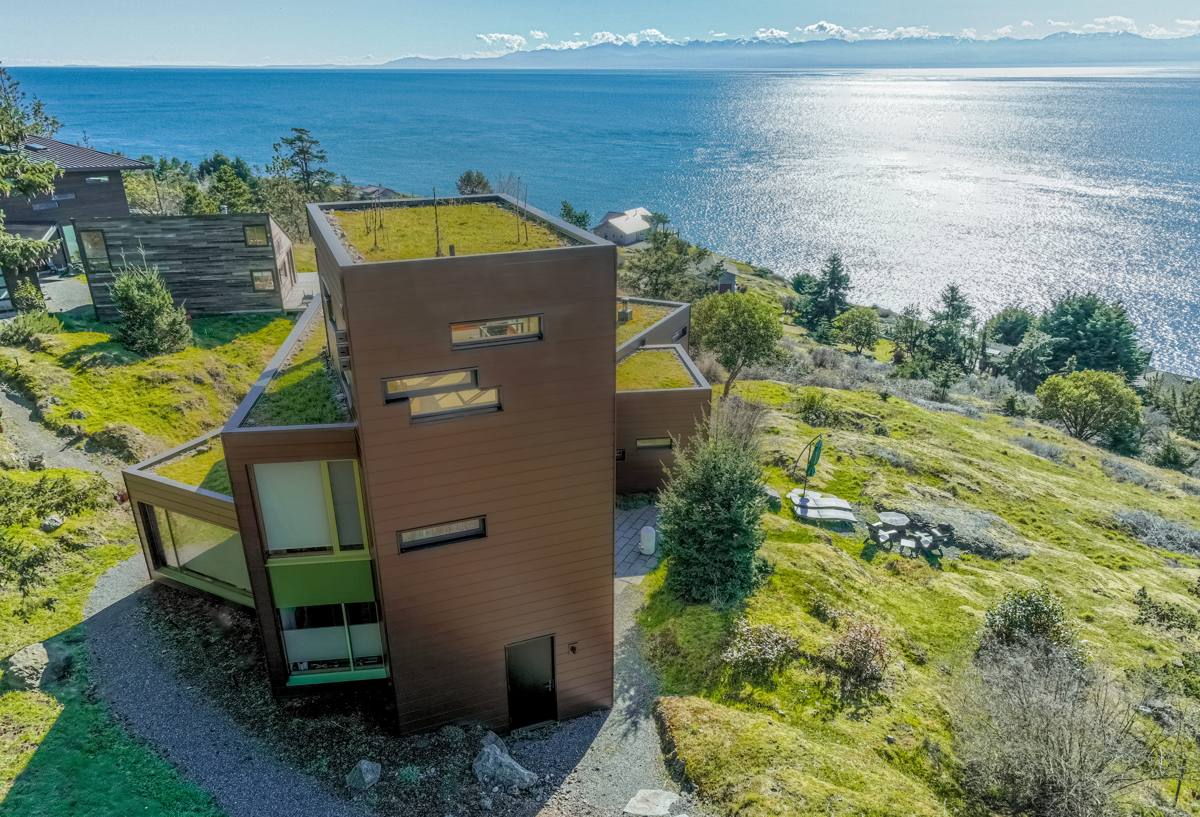
What Fairhaven's Climate Does to Vertical Siding
Salt Air
Airborne salt doesn't just affect boats and metal railings. Over years, it accelerates the breakdown of paint films, promotes corrosion in exposed fasteners, and can speed up wear on caulking and sealants at seams and trim joints. Board & batten has more vertical seams than horizontal lap siding, and every one of those seams is a spot where a failing sealant or an unprotected fastener head becomes a problem sooner near the water than it would inland.
Driving Rain
Wind-driven rain doesn't fall straight down — it gets pushed sideways into walls, and board & batten's vertical battens create small ledges and reveals where wind-blown water can be forced upward and behind the boards if the wall assembly doesn't have a way to manage it. This is a bigger factor in board & batten than in most other siding profiles because of how many vertical joints there are per square foot of wall.
A Long Moss Season
Shaded elevations, tree cover, and the region's extended damp stretch give moss and algae a long runway to establish themselves, especially on north- and west-facing walls that don't get much direct sun. Moss holds moisture against the siding surface far longer than open air would, which matters most at the bottom edge of each batten and panel — exactly where board & batten siding is most vulnerable if it wasn't detailed with drainage in mind.
What a Correct Board & Batten Job Actually Involves
A good-looking board & batten wall and a board & batten wall that will actually perform in Fairhaven's climate are not automatically the same thing. The visible boards are the last five percent of the job. The parts that determine whether it lasts are underneath.
Water-Resistive Barrier and Rainscreen Gap
Behind every board & batten wall we install, there's a continuous water-resistive barrier with properly lapped and taped seams, plus a drainage gap (a rainscreen) between that barrier and the siding itself. That gap lets any moisture that does get past the surface drain and dry out instead of sitting against the back of the boards — which matters more here than in drier parts of the state because walls in this climate simply don't get as many fully dry stretches to recover in.
Flashing at Every Horizontal Interruption
Windows, doors, decks, and any horizontal trim break need flashing that directs water back out and away from the wall assembly, not just a bead of caulk. Caulk is a backup, not a strategy — it degrades faster in salt air and UV exposure than most homeowners expect, and a flashing detail done right doesn't depend on sealant staying perfect forever.
Fastener Placement and Type
Board & batten needs fasteners placed to manufacturer spec, not just "enough nails to hold it up." Fastener heads need to be set correctly and, where required, covered or sealed so they aren't sitting exposed to salt air and repeated wetting. Overdriven or underdriven fasteners are one of the most common defects we find when we're called out to look at a board & batten wall that's failing early.
Batten Spacing and Bottom Clearance
Battens need consistent spacing and, critically, the right clearance at the bottom of the wall above grade, decks, and roof lines so water and moss-holding debris don't have a place to sit against the siding long-term. This is a detail that's easy to shortcut and hard to see once the wall is finished — which is exactly why it matters who's installing it.
James Hardie Board & Batten Options
We install James Hardie fiber cement exclusively, and for board & batten profiles that generally means HardiePanel vertical siding paired with Hardie's trim boards for the battens, finished in a factory-applied ColorPlus finish. A few reasons this combination fits Fairhaven's conditions specifically:
- Fiber cement doesn't rot, and it isn't a food source for the mold and algae that a long moss season encourages on shaded walls.
- It's non-combustible, which matters increasingly across Washington as wildfire-conscious building standards expand.
- ColorPlus is a factory-baked finish, not a field-applied paint job — it holds up better against the UV and salt exposure than most site-applied coatings, and it comes with its own finish warranty separate from the product warranty.
- Hardie's HZ5 product formulation is engineered specifically for climates with sustained moisture exposure, which describes Whatcom County's wet season well.
We don't install vinyl, LP SmartSide, primed spruce, cedar, or other fiber cement brands for board & batten work. That's a standard we hold across every job, not a sales pitch specific to this page — we've made the call that the moisture behavior, maintenance burden, and long-term warranty structure of James Hardie is what we're willing to put our name behind on a marine-influenced job like the ones we see throughout Fairhaven.
Cost Factors for Board & Batten Siding in Fairhaven
| Factor | Why It Matters on a Fairhaven Job |
|---|---|
| Existing wall condition | Water-damaged sheathing found during tear-off has to be repaired before new siding goes on — more common on older homes that have taken decades of coastal weather |
| Rainscreen installation | A proper drainage gap adds labor and material cost but is the single biggest factor in how long the wall performs in this climate |
| Wall height and complexity | Multi-story sections, dormers, and tight eaves near the water increase both labor time and the number of flashing details required |
| Trim and batten density | Batten spacing is partly a design choice — tighter spacing looks a certain way but means more seams, more fasteners, and more labor |
| Access and site conditions | Older Fairhaven lots with mature landscaping, retaining walls, or limited driveway access can affect staging and equipment costs |
We give real numbers after a site walk, not a phone estimate — board & batten pricing swings too much based on what's actually happening behind the existing siding to guess accurately from a description alone.
Our Process
- Walkthrough and assessment. We look at existing siding, wall condition, moisture exposure by elevation, and any moss or algae growth patterns that point to drainage or shading issues.
- Tear-off and inspection. Old siding comes off and we check sheathing and framing underneath for hidden water damage before anything new goes up.
- Water-resistive barrier and rainscreen install. This is the step that determines long-term performance, and it's the one that's invisible once the job is done — which is why we document it.
- Flashing at every penetration and horizontal break. Windows, doors, and trim transitions get flashed to shed water, not just caulked.
- HardiePanel and batten installation. Installed to James Hardie's fastening and spacing specifications, not shortcuts.
- Final inspection and walkthrough. We go over the finished wall with the homeowner before calling the job done.
Why Hire a Crew That Already Works Fairhaven
Board & batten failures we get called out to inspect almost always trace back to the same handful of causes: no rainscreen, poor flashing at windows, fasteners exposed to salt air without protection, or batten bottoms sitting too close to grade or a deck surface where moss and moisture collect. None of these are hard to avoid — they're just easy to skip if the crew isn't used to building for this specific combination of salt exposure, driving rain, and extended damp seasons.
A crew that regularly works in Fairhaven and the surrounding Chuckanut area already knows which elevations tend to hold moss, how local wind patterns drive rain into walls, and what wall assemblies actually hold up here versus what looks fine on paper. That local pattern recognition is worth more than it sounds like — it's the difference between a wall that's designed for this climate and one that's designed for siding in general.
Maintenance Checklist for Board & Batten in a Salt Air, High Moss Environment
- Rinse siding periodically to remove salt residue, especially on elevations facing open water or prevailing wind.
- Check north- and shade-facing walls each fall and spring for early moss or algae growth and address it before it spreads.
- Keep landscaping trimmed back from siding to maintain airflow and reduce prolonged shade and moisture retention.
- Inspect caulking at trim joints and window flashing yearly; caulk is a maintenance item, not a permanent fix.
- Confirm gutters and downspouts are directing water away from the wall base, not spilling onto board & batten trim.
- Watch for chalking, fading, or lifting at the ColorPlus finish and address it while it's still a warranty conversation, not a repaint.
Get a Straightforward Estimate
If you're planning a board & batten project in Fairhaven — new construction, a full re-side, or replacing a section that's showing early wear from salt air and moisture — we're glad to walk the property, look at what's actually happening behind the existing siding, and give you a clear, no-pressure estimate using the form below.