 Chuckanut Exterior
 Metal Roofing Built for Blanchard's Climate
Blanchard sits tucked at the base of Chuckanut Mountain, close enough to the water that salt air is a daily fact of life and close enough to the trees that shade and dampness linger long after a storm passes. A roof out here doesn't get an easy assignment. It takes salt-tinged air that works on exposed metal year after year, driving rain that comes in sideways off the water instead of falling straight down, and a moss season that settles into shaded slopes and stays there for months at a stretch. Metal roofing has a well-earned reputation for handling exactly that combination of stresses better than most other roofing materials, but only when it's specified and installed correctly for this specific climate.
This page covers what a Blanchard home actually needs from a metal roof, what a correct installation looks like from the deck up, and how our process works from the first visit to the final walkthrough. It's written specifically for this one job in this one area, not as a generic overview of metal roofing in general.
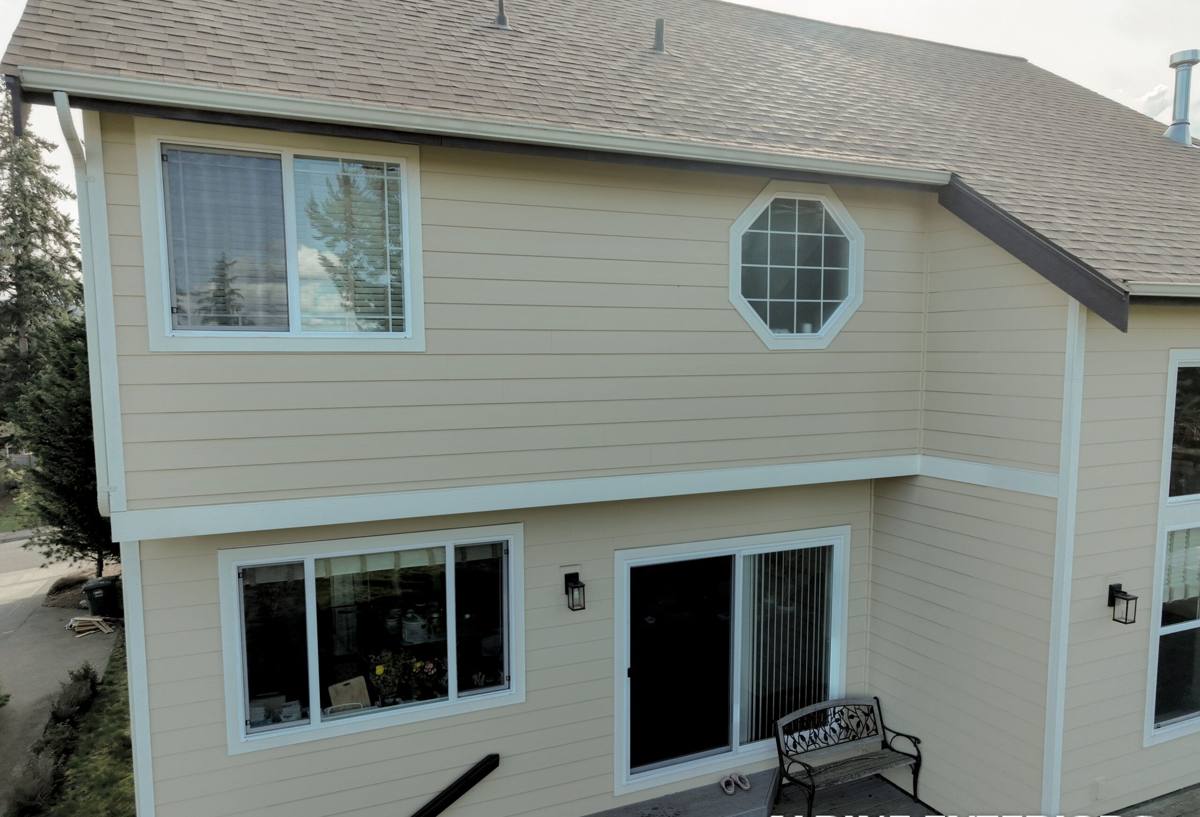
What Blanchard's Weather Actually Does to a Roof
Three conditions drive most of the roofing problems we see in this part of the county, and they compound each other rather than acting in isolation.
Salt Air
Airborne salt off the water accelerates corrosion on unprotected or undersized metal — fasteners, flashing, panel edges, gutter hardware. A fastener spec that would hold up fine well inland can start showing rust streaks within a handful of years this close to the water if it wasn't rated for a marine environment. On a metal roof specifically, this matters more than on most other roofing types, because the roofing material itself is metal and every seam, clip, and fastener is a potential corrosion point if the wrong hardware went in.
Driving Rain
Rain here rarely falls straight down for long. Wind off the water pushes it sideways and up, forcing it into laps, seams, and flashing details that would stay dry in a calmer rain event. A metal roof sheds water aggressively by design, but that advantage only holds if the panel seams, end laps, and flashing transitions are actually detailed to handle wind-driven rain rather than built to a bare minimum standard.
A Long Moss Season
Shaded, moisture-holding conditions under tree cover and on north-facing slopes support a long moss and algae season in this area. Moss is one of the reasons metal roofing performs so well here in the first place — its smooth, non-porous surface and typically steeper pitch give organic growth far less to hold onto than a shingle roof's textured surface does. That advantage is real, but it's not automatic. A metal roof installed flat, poorly ventilated, or with debris allowed to collect in valleys can still support moss and algae growth over time.
Why Metal Roofing Holds Up Well in Blanchard
Metal roofing isn't the right fit for every home or every budget, but there are specific reasons it performs well against this particular combination of salt air, driving rain, and moss. The smooth surface sheds water and debris faster than a shingle roof, which limits how long moisture sits against the roofing material after a storm. Continuous panel runs mean fewer overlapping seams than a shingle roof has, which reduces the number of places wind-driven rain can work its way underneath the surface layer. And a correctly specified coastal-rated finish resists the fading, chalking, and corrosion that salt air accelerates on lower-grade coatings. The tradeoff is a higher upfront cost than asphalt shingles, and that cost only pays off in longevity and reduced maintenance if the installation details are right from the start.
Comparing Metal Panel Systems for a Blanchard Roof
| Panel System | How It Handles This Climate | Typical Service Life |
|---|---|---|
| Standing seam (concealed fastener) | Fasteners are hidden under the seam, out of direct weather exposure — the strongest choice for wind-driven rain and long-term corrosion resistance | 40-60 years |
| Exposed-fastener panel | Lower upfront cost, but fastener washers sit exposed to UV and salt air and typically need replacement or resealing well before the panel itself wears out | 25-40 years, depending on fastener maintenance |
| Metal shingle or shake panel | Mimics a traditional shingle or shake look with metal's durability; more seams than standing seam but still sheds moss better than organic shingle products | 30-50 years |
For most Blanchard homes taking the full brunt of salt air and wind-driven rain, standing seam is the system we recommend most often, since keeping fasteners out of direct weather exposure removes the single biggest long-term maintenance concern with metal roofing. Exposed-fastener panels can still make sense on a budget-conscious project or a secondary structure, provided the homeowner understands the fastener maintenance that comes with it.
What a Correct Metal Roof Installation Involves
The panel itself is only part of what determines whether a metal roof performs here. Most problems we see on metal roofs trace back to what's underneath or around the panels, not the panels themselves.
Deck Inspection and Prep
A metal roof install should start with a look at the existing deck, whether that means a full tear-off of old roofing or confirming a sound deck under an existing metal panel replacement. Soft spots, rot, or old water damage need to be addressed before new panels go down — metal roofing is a long-term investment, and installing it over a compromised deck undermines that from day one.
Underlayment
Metal roofing needs a high-temperature-rated synthetic underlayment, since dark panels can run hotter than shingles in direct sun and a standard felt underlayment isn't built to handle that. Self-adhered membrane at eaves, valleys, and other vulnerable transitions adds a second line of defense in a climate where wind-driven rain regularly tests those details.
Panel Attachment and Fasteners
Fastener choice matters more on a metal roof than on almost any other roofing type. We use corrosion-resistant, coastal-rated fasteners and clips throughout, and on standing seam systems the concealed-clip attachment method keeps those fasteners out of direct weather exposure entirely. Panel layout and expansion allowance also need to account for how much a metal panel expands and contracts with temperature swings, since a panel fastened without room to move can buckle or oil-can over time.
Flashing at Valleys, Penetrations, and Walls
Flashing is where most roof leaks actually start, on metal roofs just as much as on shingle roofs. Valleys, chimney and vent penetrations, and roof-to-wall transitions all need flashing that's properly formed, lapped, and integrated with the underlayment, not just caulked over as an afterthought.
Avoiding Galvanic Corrosion
Mixing incompatible metals — aluminum flashing against a galvanized steel panel, for example, or the wrong fastener alloy against the panel material — sets up galvanic corrosion that can eat through metal from the contact point outward. This is a detail that's easy to get wrong on a job where the installer isn't specifically experienced with metal roofing systems, and it's one of the more expensive mistakes to fix after the fact.
Ventilation
Balanced intake and exhaust ventilation keeps the underside of the roof deck dry, which protects the deck itself and helps prevent condensation from forming against the underside of the panels. This matters in a climate where humidity stays elevated for long stretches of the year.
Cost Factors for a Blanchard Metal Roof
Metal roofing bids can vary significantly, and the difference usually comes down to real scope differences rather than one contractor simply charging more for the same job.
| Factor | What It Affects |
|---|---|
| Panel system | Standing seam costs more upfront than exposed-fastener panels but reduces long-term fastener maintenance |
| Panel gauge (thickness) | Heavier gauge resists denting and oil-canning better, particularly on larger flat panel runs |
| Finish coating | A premium coastal-rated finish holds color and resists chalking longer than a standard painted finish in salt air |
| Underlayment grade | Full high-temp synthetic with self-adhered membrane at vulnerable points costs more than minimum-code underlayment |
| Flashing and penetration count | More valleys, chimneys, skylights, and vents mean more custom flashing work and labor |
| Roof pitch and access | Steep or hard-to-access roofs take longer and require more safety setup |
A detailed written estimate that breaks out panel system, gauge, finish, and underlayment tells you far more than a single lump-sum number, and it's worth asking any contractor to walk through exactly what's included before comparing bids.
How Our Process Works
- In-person inspection: We walk the existing roof and deck in person, not from a photo, and document the condition and any problem areas.
- Written estimate: You get a clear, itemized bid covering panel system, gauge, finish, underlayment, flashing scope, and cleanup — not a vague single-line price.
- Material selection: We go over panel system and finish options that fit the home's exposure, pitch, and budget, with honest tradeoffs for each.
- Scheduling around weather: We build reasonable flexibility into the timeline, since wet-season delays are a normal part of working in this region.
- Tear-off and deck repair: Old roofing comes off completely, and any deck damage found is addressed before new underlayment or panels go down.
- Underlayment, flashing, and panel installation: Each layer goes in to manufacturer specification, with extra attention at valleys, penetrations, and wall transitions.
- Final walkthrough: We review the completed roof with you and go over care and warranty details before calling the job done.
Why Hiring a Crew That Already Works in Blanchard Matters
A crew that regularly works roofs in and around Blanchard has already seen how salt air corrodes underspecified fasteners, how wind-driven rain finds its way through improperly lapped flashing, and which roof orientations hold moss longest through the wet season. Metal roofing in particular rewards that kind of specific experience, since so much of its long-term performance comes down to fastener choice, expansion allowance, and avoiding galvanic corrosion — details a crew that mostly installs asphalt shingles may not have direct experience getting right.
It also matters for accountability after the job is done. A workmanship warranty is only as good as the company standing behind it, and a contractor with an established, ongoing presence in the area is the one you can actually reach years later if a question comes up.
A Practical Checklist Before You Choose a Metal Roofing Contractor
- Do they have documented experience installing metal roofing specifically, not just asphalt shingles?
- Does the estimate specify panel system, gauge, and finish, not just "metal roof"?
- Is flashing work at valleys, penetrations, and walls explicitly included in the bid?
- Can they explain how they prevent galvanic corrosion between dissimilar metals on your roof?
- Do they carry current WA contractor licensing, liability insurance, and workers' compensation?
- Can they point to recent, real local work in or near Blanchard?
Is Metal Roofing the Right Fit for Your Blanchard Home?
Metal roofing is a strong match for this climate, but it's not automatically the right choice for every home or every budget, and we'd rather say that plainly than oversell a single product. The upfront cost is meaningfully higher than asphalt shingles, and that investment only makes sense if you're planning to stay in the home long enough to benefit from a 40- to 60-year service life. Some homeowners also have aesthetic preferences that lean toward a shingle roofline rather than a metal one, though metal shingle and shake panels can bridge that gap for homes that want the look without giving up metal's durability. A concern we hear often — that metal roofs are noisy in rain — is largely addressed by proper decking and underlayment, which dampen sound the same way they would under any roofing material. If your priority is the lowest upfront cost and you're not planning a decades-long hold on the property, a well-installed asphalt shingle roof remains a reasonable choice. If you want the longest practical service life and the lowest long-term maintenance against this specific combination of salt air, driving rain, and moss, metal is worth serious consideration.
If you'd like an honest, no-pressure look at your Blanchard home's roof and a written estimate to compare against anything else you've received, we're glad to come take a look. Use the form below to request a free estimate.
```