 Chuckanut Exterior
 Windows Built for the Blanchard Climate, Not a Catalog Average
Blanchard sits close enough to the water and the tree line that its windows take a beating most manufacturers never test for. You've got salt-laden air rolling in off the Salish Sea, driving rain that hits west- and south-facing glass sideways during winter storms, and long stretches of gray, damp weather that keep every exterior surface wet for days at a time. Add the moss and algae that thrive in that moisture, and you have a window environment that's genuinely different from what you'd deal with in a drier inland climate. A window that performs fine in Spokane can fail early here — not because it's a bad window, but because it was never matched to this kind of exposure.
Energy-efficient windows in this area have to do two jobs at once: cut heat loss during the long heating season, and keep moisture, salt, and organic growth from breaking down the frame, seals, and hardware before their time. Get both right and you've got a window system that holds its performance for decades. Get either wrong and you're looking at fogged glass, soft frames, or a heating bill that never quite improves the way it should have.
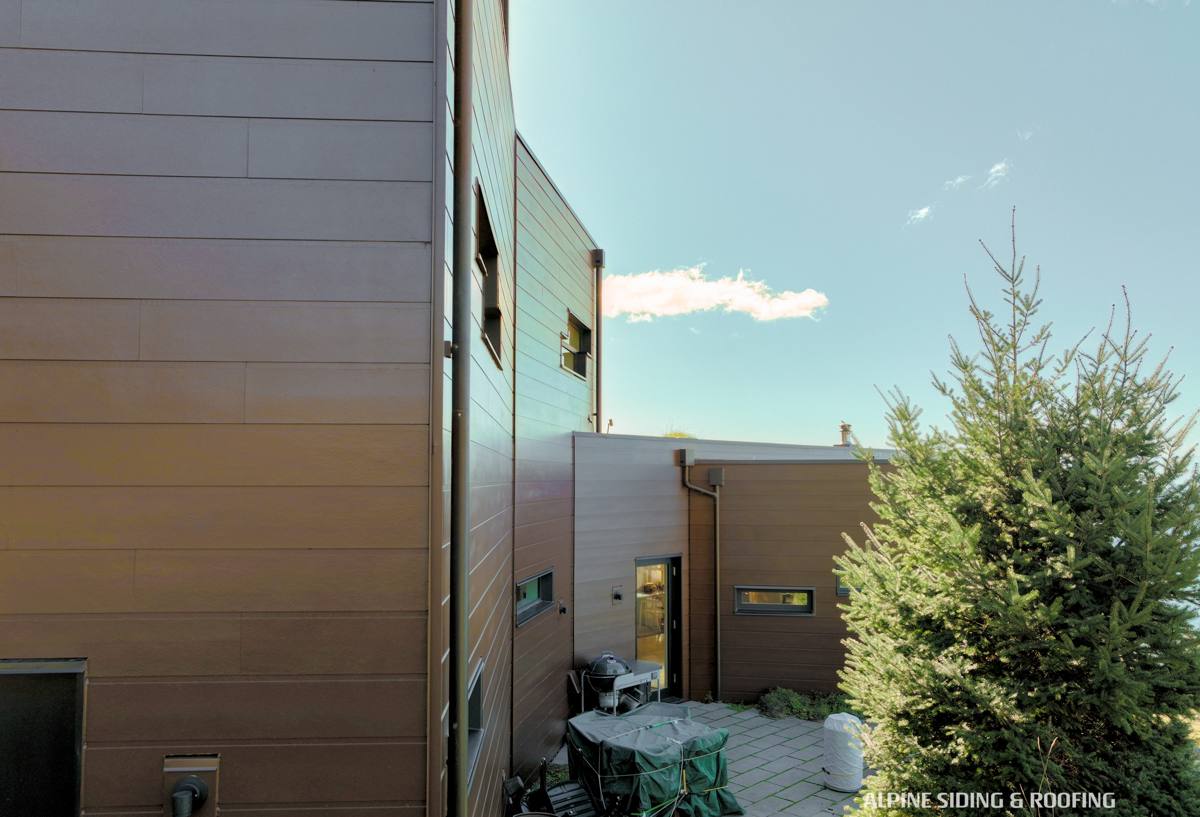
What "Energy-Efficient" Actually Means Here
"Energy-efficient" gets used loosely in this industry, so it's worth being specific about what actually matters for a Blanchard home.
U-Factor and Solar Heat Gain
U-factor measures how much heat escapes through the window — lower is better, and it's the number that matters most in a heating-dominated climate like ours. Solar Heat Gain Coefficient (SHGC) matters less here than it would in a sunnier climate, since most of the year is overcast, but it still affects comfort on the clear days we do get, especially on south- and west-facing walls.
Condensation Resistance
This one gets overlooked constantly, and it shouldn't. High humidity and big day-to-night temperature swings mean condensation resistance is a real, practical concern — not a spec sheet afterthought. A window with poor condensation resistance will sweat on the interior glass and frame all winter, which feeds mold growth on sills and trim.
Frame and Seal Durability
Efficiency isn't just about the glass. A window is only as efficient as its weakest seal, and salt air accelerates corrosion on hardware, weakens some sealant formulations faster than inland use would, and finds its way into any gap in the frame. The frame material and the quality of the weatherstripping matter as much as the glass package.
Signs Your Current Windows Are Costing You Money
Most homeowners don't replace windows because they woke up wanting new windows — they replace them because something started bothering them. Here's what we typically hear about, and what it usually means:
- Fogging or moisture between the panes — the seal on a double- or triple-pane unit has failed and the gas fill is gone; this can't be fixed, only replaced.
- Drafts you can feel near the frame — usually failed weatherstripping or a frame that's warped enough to break the seal.
- Condensation on the inside of the glass every morning — points to poor insulating performance or, sometimes, a ventilation problem in the home rather than the window itself.
- Soft or discolored wood around the frame or sill — moisture has been getting past the exterior seal for a while; the window and possibly the surrounding wall framing need attention.
- Moss or dark streaking building up on the sill and lower frame — a sign water is sitting there rather than shedding, which is common with aging sills that have lost their slope or finish.
- Windows that are hard to open, close, or lock — frame movement from moisture cycling, or hardware that's corroded from long-term salt exposure.
Choosing the Right Window for a Marine Climate
There's no single "best" window material — there's a best fit for your home, budget, and exposure. Here's how the common options actually compare for a Blanchard property, framed honestly:
| Material | Moisture & Salt Air Behavior | Maintenance | Typical Fit |
|---|---|---|---|
| Vinyl | Won't rot or corrode; performs consistently in wet, salty air | Low — occasional cleaning | Most homes; strong value and durability trade-off |
| Fiberglass | Excellent dimensional stability, resists moisture and expansion/contraction well | Low | Homes wanting a premium, long-life option with a narrower frame profile |
| Wood-clad | Interior wood warmth with an exterior shell, but the cladding seams need attention in wet climates | Higher — cladding joints and any exposed wood need monitoring | Homes prioritizing interior wood aesthetics over lowest-maintenance exterior |
| Aluminum | Conducts heat and cold readily, can corrode faster in salt-air exposure without a good finish | Moderate | Best reserved for specific architectural needs, not general replacement in this climate |
For most Blanchard homes, we steer people toward vinyl or fiberglass for the simple reason that both shed the moisture-and-salt combination this area throws at them without needing ongoing upkeep. Wood-clad units can absolutely work here too, but we're upfront that the cladding seams are a maintenance item you'll want to inspect periodically, not a "set it and forget it" surface. We'd rather tell you that honestly than sell you on the wrong material for your maintenance appetite.
What a Correct Installation Actually Involves
The window unit itself is maybe half the equation. The installation is the other half, and it's where most window problems actually originate — even with a good window.
Removal and Opening Assessment
Once the old window is out, we check the rough opening for hidden rot, soft sheathing, or old flashing that's already failed. This is often the first time anyone's actually seen the condition of that wall assembly in years, and in a climate that drives rain sideways, it's not unusual to find water has been getting in around an old window without it being obvious from inside.
Flashing and Weatherproofing
This is the step that determines whether the window stays dry for the next twenty years. Proper flashing — sill pan, side flashing, and head flashing integrated correctly with the house wrap or building paper — directs any water that gets past the window back out, rather than into the wall. In a driving-rain climate, sloppy flashing is the single most common cause of window-related rot we see, and it's invisible from the outside until it's a real problem.
Air Sealing and Insulation
The gap between the window frame and the rough opening gets sealed and insulated properly — not stuffed with excess fiberglass or oversprayed with foam that can bow the frame. Done right, this step is what actually delivers the energy-efficiency numbers on the spec sheet in real-world performance.
Finish Work
Interior and exterior trim gets sealed and finished so the whole assembly sheds water and looks right. We clean up fully before we consider the job done — no leftover caulk smears, no debris left in the beds below the window.
How Our Process Works
- On-site assessment — we look at your existing windows, note orientation and exposure (a window facing the prevailing wind and rain gets different attention than a sheltered one), and talk through what's actually bothering you about your current windows.
- Product selection — we recommend materials and glazing packages based on your home's exposure and your maintenance preferences, not a one-size push toward whatever's easiest to sell.
- Measurement and ordering — precise measurements matter more than people expect; an ill-fitting window undermines even the best flashing work.
- Installation — removal, opening assessment, flashing, insulation, and finish work, done in sequence with each step checked before moving to the next.
- Final walkthrough — we test operation, check seals, and walk the job with you before we call it finished.
What Drives Window Project Costs
We won't quote a number without seeing the job, but here's what actually moves the price up or down so you can budget realistically:
| Factor | Why It Matters |
|---|---|
| Window count and size | More or larger openings mean more material and labor, straightforwardly |
| Frame material | Vinyl is typically the most budget-friendly; fiberglass and wood-clad run higher |
| Glazing package | Upgraded low-E coatings and gas fills add cost but improve performance and condensation resistance |
| Condition of the existing opening | Hidden rot or old flashing failures found during removal add repair scope |
| Access and second-story work | Harder-to-reach windows take more time and equipment |
| Full-frame vs. insert replacement | Full-frame replaces flashing and the frame entirely; insert replacement reuses the existing frame and is faster but doesn't address underlying frame or flashing issues |
Why a Crew That Already Works Blanchard Matters
Window installation isn't exotic work, but window installation done correctly for this specific climate is a narrower skill set than a lot of installers bring. A crew that regularly works this stretch of Whatcom County has already seen what happens to flashing details, sealant choices, and frame materials that weren't suited to salt air and driving rain — and adjusts for it before problems start, rather than after a callback. That's the difference between a window that looks fine at handoff and one that's still performing correctly in fifteen years of Pacific Northwest weather.
We also know this area well enough to talk you through realistic trade-offs instead of a generic sales pitch — what actually needs a full-frame replacement versus what can be handled with an insert, which orientations on a Blanchard property take the worst of the weather, and where moss and moisture tend to concentrate on homes like yours.
Ready to Talk Windows?
If your windows are drafty, fogged, hard to operate, or just past their useful life, we're happy to take a look and give you an honest read on what's going on — no pressure, no upsell. Fill out the form below for a free estimate, and we'll walk your home's specific exposure with you before recommending anything.