 Chuckanut Exterior
 Asphalt Shingle Roofing Built for Columbia's Conditions
Homes in the Columbia area of Chuckanut sit close enough to the water and the tree line to catch the worst of both worlds: salt-laden air moving in off the bay and heavy shade from surrounding conifers that keeps roofs damp long after a storm has passed. Asphalt shingle roofing remains the most practical choice for most of these homes, but only when it's specified and installed with those two conditions in mind. A shingle system that would hold up fine in a drier inland neighborhood can underperform here if the underlayment, ventilation, and shingle grade aren't matched to what Columbia roofs actually deal with year-round.
This page covers what that means in practice — not asphalt shingle roofing in general, but the version of it that makes sense for this specific pocket of Whatcom County.
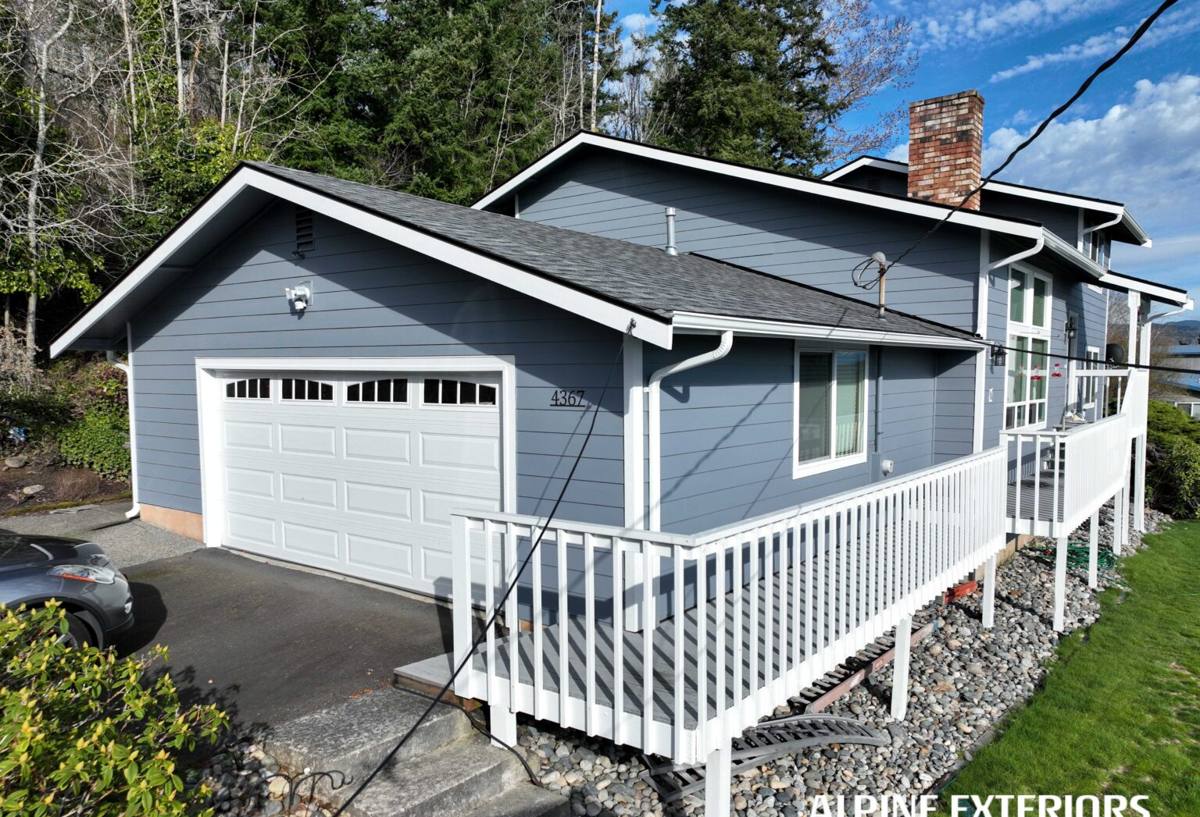
What Columbia's Climate Actually Does to a Roof
Three factors drive almost every roofing problem we see in this neighborhood:
Salt Air
Proximity to Chuckanut Bay means airborne salt settles on exposed metal and works into granule surfaces over time. Exposed fasteners, flashing, and vents corrode faster here than they would ten or fifteen miles inland. This doesn't rule out asphalt shingles, but it does change which flashing metals and fastener types we recommend.
Driving Rain
Storms coming off the water tend to arrive with wind, which pushes rain sideways instead of straight down. That matters at every edge, valley, and penetration on the roof, because wind-driven rain finds gaps that a calm, vertical rain never would. Underlayment coverage and shingle sealing at these transition points carry more of the waterproofing burden here than on a roof in a sheltered inland lot.
Moss Season
Whatcom County's long, wet, mild winters give moss a season that can stretch from fall through spring. Shaded, north-facing slopes and anything under overhanging trees are especially exposed. Moss holds moisture against the shingle surface, works into the granule layer, and can lift shingle edges over time if it's left unchecked. A roof design that ignores airflow and shade in Columbia is a roof that will grow moss faster than it should.
What a Correctly Installed Shingle Roof Includes Here
A shingle roof that's going to perform well in this specific environment isn't just "shingles nailed to plywood." It's a system, and every layer has a job:
- Ice-and-water shield at eaves, valleys, and around all penetrations — the areas most exposed to wind-driven rain and ice damming during cold snaps
- Synthetic underlayment across the full deck, which holds up better than older felt products under sustained coastal moisture
- Corrosion-resistant flashing at chimneys, walls, and roof-to-wall transitions, chosen with salt exposure in mind rather than standard inland-grade metal
- Balanced intake and exhaust ventilation so the attic and roof deck can actually dry out between rain events instead of staying damp
- A shingle product rated for the wind and moisture exposure this location sees, not just the cheapest option on the shelf
- Proper nailing pattern and sealing so wind-driven rain can't work its way under shingle tabs at edges and transitions
Skip any one of these and the roof will likely still look fine for a year or two. The failures that come from cutting corners on a coastal roof tend to show up as leaks, granule loss, or moss colonization on a longer timeline — which is exactly why it's worth getting right the first time.
Shingle Options and How They Hold Up in This Area
Not every asphalt shingle product is built the same way, and the differences matter more here than in a drier climate. The table below compares the common tiers of asphalt shingle in terms of how they actually perform against Columbia's conditions, not just their price point.
| Shingle Type | Wind/Rain Performance | Moss Resistance | Typical Lifespan Here |
|---|---|---|---|
| 3-tab (economy) | Lower wind rating; more prone to lifting in driving rain | No built-in resistance | Shorter end of the range given coastal exposure |
| Architectural / dimensional | Higher wind ratings, better sealing at edges | Available with algae/moss-resistant granules | Solid mid-to-long range performance |
| Premium/impact-rated architectural | Highest wind ratings, thicker mat construction | Algae-resistant granules standard on most product lines | Longest-performing option for this exposure |
For most Columbia homes, we steer people toward architectural shingles with algae-resistant (often copper-infused) granules as the practical baseline, reserving 3-tab for budget-driven decisions where the homeowner understands the trade-off. The moss-resistant granule technology doesn't make a roof moss-proof, but it meaningfully slows colonization on shaded slopes, which is worth the modest price difference in this specific climate.
Our Process for a Columbia Roofing Project
1. On-Site Assessment
We start by walking the roof and attic, not just looking from the ground. In a neighborhood like Columbia, that means checking for existing moss growth, evaluating tree canopy and shade patterns, inspecting current flashing condition for corrosion, and confirming attic ventilation is adequate. Wind and rain exposure vary block to block here depending on tree cover and how open a lot is to the water, so this assessment is specific to your property, not a generic checklist.
2. Honest Scope and Options
We explain what your roof actually needs — full replacement, targeted repair, or a maintenance plan to extend its life — along with the shingle tier and flashing approach that fits your home's exposure. We'd rather walk you through trade-offs than upsell a product you don't need.
3. Tear-Off and Deck Inspection
On replacement jobs, we remove the old roofing down to the deck and inspect the sheathing for rot or soft spots, which are more common on shaded, moisture-prone slopes. Any damaged decking gets replaced before anything new goes down — installing new shingles over a compromised deck just hides the problem.
4. System Installation
Ice-and-water shield, underlayment, flashing, ventilation components, and shingles go in as a coordinated system, in that order, with attention to the sealing details at every edge and penetration.
5. Final Walkthrough
We walk the finished roof with you, review what was done, and go over any maintenance recommendations specific to your lot — particularly around moss management if your roof has significant shade exposure.
Maintenance That Actually Matters Here
A well-installed shingle roof in Columbia still needs periodic attention because of the moss and salt factors already covered. The list below is what we consider genuinely worth doing, not a padded maintenance calendar:
- Visual moss check each fall and spring, especially on north-facing and shaded slopes
- Gentle moss removal (never pressure washing, which strips granules) when growth is caught early
- Gutter and downspout clearing before the wet season, so water isn't backing up under the shingle edge
- Flashing inspection every couple of years given the accelerated corrosion risk from salt air
- Prompt attention to any granule buildup in gutters, which signals accelerated shingle wear
Repair vs. Replacement: How We Decide
Not every issue means a new roof. Isolated leaks, a handful of wind-lifted shingles, or localized moss damage are often repairable if the roof is otherwise sound and reasonably young. We recommend full replacement when the shingles are widespread failing, granule loss is significant across multiple slopes, the deck has sustained rot, or the roof has simply reached the end of its practical service life for this climate. We'll tell you plainly which category your roof falls into and why.
Why Local Experience in Columbia Specifically Matters
A roofing crew that hasn't worked this stretch of Chuckanut before is guessing at things a local crew already knows: which slopes in this neighborhood hold moss longest, how far wind-driven rain travels up under an eave in a coastal storm, and which flashing metals actually hold up against this air rather than just meeting a generic spec sheet. That local pattern recognition shows up in fewer callbacks and a roof that's specified correctly the first time, instead of a one-size-fits-all installation that has to be corrected once problems appear.
We also know that Whatcom County's building requirements and typical wind exposure ratings apply consistently across this area, so permitting and code compliance aren't a guessing game on our end — it's part of every project we scope in this region.
Signs a Columbia Roof Needs Attention
A few warning signs are worth acting on quickly rather than waiting for the next scheduled inspection:
- Visible moss mats, especially on shaded slopes or near valleys
- Granules collecting in gutters or at downspout outlets
- Curling, cracked, or missing shingles after a windstorm
- Water stains on interior ceilings, particularly after driving rain
- Rusting or discolored flashing around chimneys and vents
- Daylight visible through the attic roof deck
Catching these early is almost always cheaper and simpler than dealing with the water damage that follows once they're ignored through another wet season.
Get a Straightforward Estimate
If you're dealing with an aging roof, visible moss, or just want an honest read on where your Columbia home's roof stands, we're glad to take a look. The estimate is free, there's no pressure attached to it, and you'll get a clear explanation of what we find and what your real options are — just fill out the form below to get started.