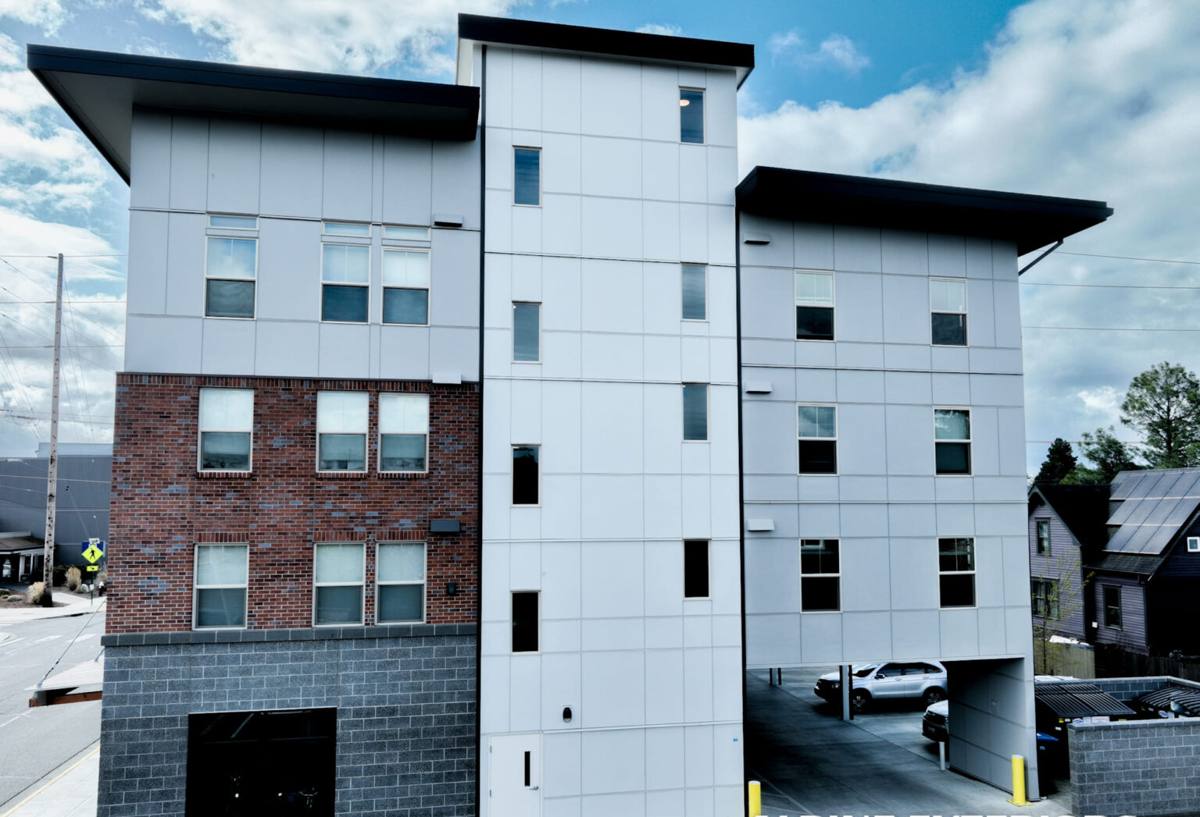
 Chuckanut Exterior
 Windows Built for the Alger Stretch of the Chuckanut Corridor
Homes along the Alger stretch near Chuckanut sit in one of the more demanding window environments in Whatcom County. You've got salt-laden air drifting in off the water, long stretches of driving rain that comes in sideways more often than straight down, and a moss and mildew season that can run most of the year in the shaded, tree-covered lots common to this area. Windows here don't fail because of one bad storm. They fail slowly, from years of moisture finding its way into places it shouldn't be, and from hardware and seals that were never rated for this kind of exposure in the first place.
This page is about one job in one area: replacing or installing windows on homes in and around Alger. We're not going to give you a generic rundown of window brands. We're going to walk through what actually matters when the house you're working on is a few miles from Chuckanut Bay, tucked under fir and cedar canopy, and exposed to wind-driven rain for months at a stretch.
What Salt Air, Driving Rain, and Moss Actually Do to a Window
Each of these three conditions attacks a window differently, and understanding that is the difference between a fix that lasts and one that fails again in a few years.
Salt Air
Airborne salt is corrosive to exposed metal hardware — hinges, cranks, balance systems, and screws. On vinyl and fiberglass frames the salt itself doesn't degrade the material much, but it does accelerate corrosion on any unprotected fasteners or metal components, and it leaves a film that holds moisture against the frame longer than it would otherwise sit.
Driving Rain
Wind-driven rain doesn't just hit a window head-on — it gets pushed sideways and upward into gaps that would stay dry in a calm rain. This is almost entirely a flashing and sealant problem. A window can be a good, well-rated product and still leak if the flashing behind the trim wasn't lapped correctly or the sill pan wasn't sloped to shed water back outside.
Moss and Sustained Damp
Shaded lots near Chuckanut hold moisture longer than open, sun-exposed sites. Moss and algae growth on sills, trim, and exterior cladding keeps wood and composite surfaces damp for extended periods, which is exactly the condition that leads to rot at window corners and sill returns if the original installation didn't seal those joints properly.
Signs an Alger Home Needs Window Attention
Most window problems in this area show up gradually. Some of the more common signs we see on service calls in and around Alger:
- Soft or discolored trim at the bottom corners of a window, often with moss growth right at the joint
- Fogging or a hazy film between the panes of a double-pane window — a sign the seal has failed
- Difficulty opening or locking a window that used to operate smoothly, often from corroded hardware
- A musty smell near a window during or after a hard rain, even with no visible water
- Visible daylight or a draft around the frame when the window is closed
- Paint or finish peeling on interior trim near the window, which usually means moisture is getting behind it
Any one of these on its own might be minor. Two or more on the same window, especially on a wall that takes the brunt of the weather off the water, usually means it's time to stop patching and look at replacement.
What a Correct Window Installation Involves
The window itself is maybe a third of the job. The other two-thirds is what happens around it, and it's the part that determines whether the installation holds up through the next twenty Chuckanut winters or starts failing in three.
Removal Without Collateral Damage
Old windows and their surrounding trim need to come out cleanly, without tearing the weather-resistive barrier (the house wrap or building paper) behind them any more than necessary. Whatever gets damaged has to be repaired before the new window goes in — skipping this step is one of the most common reasons a "new" window still leaks.
Inspecting the Rough Opening
Before anything new goes in, we check the framing and sheathing for soft spots or existing rot. On older homes near Alger, this is often where hidden damage from years of a marginal seal finally shows up. If there's rot, it gets cut out and replaced — never covered over.
Sill Pan Flashing
A sloped sill pan directs any water that gets past the window back outside instead of letting it pool at the bottom of the frame. This is one of the most important — and most commonly skipped — steps in a coastal or high-rain installation.
Proper Flashing Sequence
Flashing tape and the house wrap need to be layered so water sheds downward and outward at every layer, like shingles. Get this sequence backward and you've built a funnel instead of a barrier.
Air Sealing and Insulation
The gap between the window frame and the rough opening gets sealed with backer rod and sealant or low-expansion foam — enough to stop air and moisture movement without over-filling and bowing the frame, which can affect how the window operates.
Exterior Sealant and Finish
The final sealant bead at the trim and siding joint is the last line of defense and needs to be a product rated for exterior movement and UV exposure, applied to a clean, dry surface.
Frame Material Options for This Climate
There's no single "best" window material — the right choice depends on the home's exposure, budget, and how much upkeep you want to take on. Here's how the common options hold up specifically against salt air, driving rain, and a long damp season:
| Material | Salt Air / Corrosion | Moisture & Rot Resistance | Maintenance |
|---|---|---|---|
| Vinyl | Very good — won't corrode | Good — doesn't absorb water | Low; occasional cleaning |
| Fiberglass | Excellent — very stable, low expansion | Excellent | Low |
| Aluminum | Fair — needs a quality coating or clad finish | Good, but conducts cold and can condense | Moderate — watch coated surfaces over time |
| Wood (uncoated or minimally clad) | Poor without vigilant upkeep | Requires consistent sealing and paint maintenance | High — this is where we're most cautious |
| Wood-clad (vinyl or fiberglass exterior) | Good on the exterior face | Good if cladding and flashing are done right | Low exterior, interior wood still needs occasional care |
We're honest with homeowners about wood: it can look great, but on a home exposed to this much sustained moisture and salt, the maintenance burden is real and the margin for a small gap in the finish is smaller. If a homeowner wants a wood look, we'll talk through clad options rather than steer them into something that's going to need repainting and resealing every couple of years.
How We Approach a Job in Alger, Step by Step
- On-site assessment — we look at each window's exposure, the condition of the framing, and any existing rot or moisture signs before quoting anything.
- Product selection — we talk through material, glass package, and hardware options based on which walls take direct weather and which don't.
- Scheduling around weather — openings get sealed the same day they're cut, and we plan installation days around the forecast rather than pushing through a wet window opening.
- Removal and opening inspection — old units come out, framing gets checked and repaired as needed.
- Flashing, pan, and window set — sill pan, flashing sequence, and the window itself go in per manufacturer instructions and sound flashing practice.
- Air sealing, trim, and exterior sealant — interior and exterior finish work completed and sealed.
- Walkthrough — every window is opened, closed, and locked in front of the homeowner before we consider the job done.
What Affects the Cost of a Window Installation Here
Every home is different, but these are the main factors that move the price on an Alger-area window job:
| Factor | Why It Matters |
|---|---|
| Number and size of windows | More straightforward math, but larger units also mean more structural and glass-load considerations |
| Frame material | Vinyl, fiberglass, and clad options all sit at different price points |
| Existing rot or framing damage | Hidden damage found once old windows are removed adds repair scope |
| Exposure level | Walls facing direct wind and rain off the water often warrant a higher-performance glass or hardware package |
| Access and site conditions | Second-story work, tight lots, or heavy tree cover affect labor time |
| Retrofit vs. full-frame replacement | Full-frame replacement costs more up front but is often the right call when the existing frame or flashing is compromised |
We'd rather walk a homeowner through these factors honestly during an on-site look than quote a number over the phone that doesn't hold up once we see the actual condition of the windows.
Why a Crew That Already Works This Area Matters
Alger's homes aren't a uniform build type — you've got everything from older cabins to newer builds, many tucked under heavy tree cover with limited sun exposure and homes closer to the water dealing with more direct salt and wind. A crew that regularly works this stretch of Chuckanut has already seen how these specific conditions play out on real houses: which walls tend to take the worst of the weather, where rot tends to start first, and what level of flashing and sealant work actually holds up here versus what's adequate somewhere drier.
That familiarity matters more than it might seem. A correct installation in a dry inland climate can still fail here if it doesn't account for sustained damp and salt exposure. We'd rather set expectations honestly up front — including telling a homeowner if a full-frame replacement is the better long-term call over a cheaper retrofit — than hand back a job that looks fine on installation day and causes problems two winters later.
Simple Upkeep That Extends the Life of New Windows
Even a correctly installed window benefits from a little seasonal attention in this climate:
- Rinse salt film off exterior frames and glass a few times a year, especially on water-facing walls
- Clear moss and debris from sills and tracks before it holds moisture against the frame
- Check exterior sealant lines annually for cracking or separation and have any gaps re-sealed promptly
- Operate every window a few times through the year, even ones you don't use often, to keep hardware and weatherstripping in working condition
- Keep gutters and downspouts clear so overflow isn't running down the wall and pooling at window heads
If you're dealing with a drafty, foggy, or hard-to-operate window on an Alger-area home, or you're planning ahead for a full replacement, we're happy to come take a look. The estimate is free, there's no pressure, and you'll get a straight answer about what your windows actually need — just fill out the form below.