 Chuckanut Exterior
 Why South Hill Decks Wear Out Faster Than People Expect
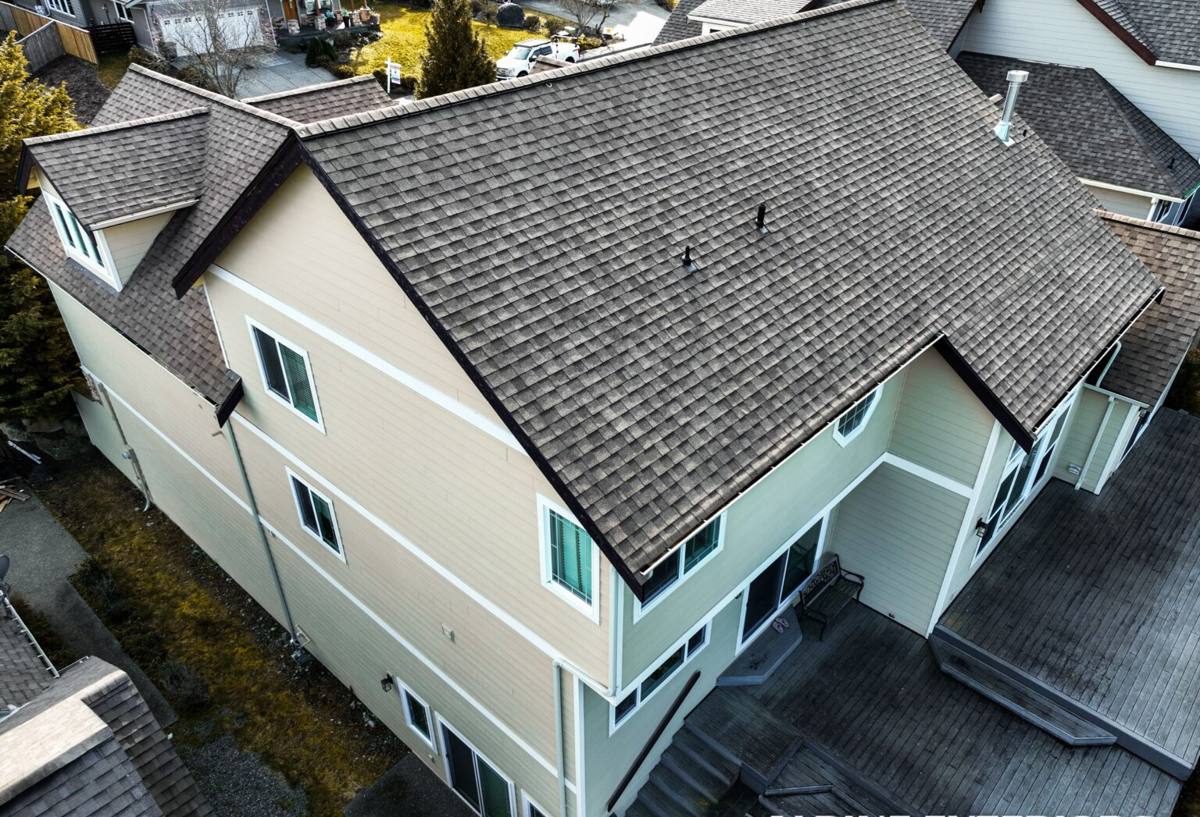
A deck in South Hill lives a harder life than the same deck would in a drier, inland climate. Between the salt-laden air coming off the water, the driving rain that Whatcom County sees for much of the year, and a moss season that seems to stretch longer every winter, the structure underneath your deck boards is under constant, quiet attack. Most homeowners don't notice a problem until it shows up as something visible — a soft spot underfoot, a wobbly railing, or dark streaking around the fasteners. By that point, the damage usually goes deeper than the surface.
Salt Air and Metal Fasteners
Coastal air carries fine salt particles that settle on exposed metal — screws, joist hangers, bolts, and flashing. Over time this accelerates corrosion, especially on fasteners that weren't rated for the exposure in the first place. A rusted screw head might look cosmetic, but a corroded joist hanger or a failing ledger bolt is a structural problem, and it's one of the most common things we find once we pull up a few boards on an older South Hill deck.
Driving Rain and Hidden Water Paths
Rain that falls straight down is relatively easy to shed. Rain that comes in sideways — which is common here — finds its way under flashing laps, behind ledger boards, and into any gap where two materials meet. Once water gets behind the decking and into the framing, it doesn't dry out quickly in our climate. That slow, repeated wetting is what causes rot in joists and ledger connections long before the surface boards look bad.
The Long Moss Season
South Hill's tree cover and shade patterns, combined with a wet season that runs long, give moss and algae plenty of time to establish themselves on deck surfaces. Beyond looking bad, moss holds moisture directly against the wood or composite surface and turns into a genuine slip hazard on stairs and landings, especially where the deck doesn't get much direct sun.
Signs Your Deck Needs Repair
Some warning signs are obvious. Others hide in plain sight until someone who knows what to look for checks them. Walk your deck and look for:
- Boards that feel spongy, springy, or noticeably softer than the boards around them
- Railings or posts that move or flex when you lean on them
- Rust streaks running down from screw heads or metal connectors
- Gaps opening up between the ledger board and the house
- Persistent moss, algae, or dark staining that comes back soon after cleaning
- Stairs that feel uneven, bouncy, or have visibly sagging stringers
- Standing water that doesn't drain within a few hours after rain
- Cracked, split, or checked boards near fastener locations
Any one of these on its own might be minor. Several together usually mean the deck has been absorbing moisture for a while and it's worth having someone look underneath, not just at the surface.
What a Proper Deck Repair Actually Involves
A repair that only replaces the boards you can see isn't really a repair — it's a cosmetic fix on top of a problem that's still there. A proper repair starts by understanding what's happening structurally, then addresses that before anything gets covered back up.
Ledger Board and Flashing
The ledger board — where the deck attaches to the house — is the single most important connection on most decks, and it's also the most common failure point in this climate. If flashing behind the ledger has failed or was never installed correctly, water has likely been getting into the rim joist and wall framing for some time. We check this connection closely on every repair, because a deck that looks solid can still have a compromised ledger.
Framing, Joists, and Posts
Once boards are pulled, we inspect joists, beams, and posts for soft spots, splitting, or rot, particularly near fastener points and anywhere water tends to collect. Localized damage can often be sistered or reinforced; more widespread rot means replacing the affected framing members rather than patching around them.
Footings and Structural Connections
Post bases and footings take on a different kind of stress — settling, frost movement, and moisture wicking up from the ground. We check that posts are still properly anchored and that footings haven't shifted or heaved, since a deck can look fine above and still be losing its footing below.
Railings and Stairs
Railings and stairs get the most direct daily wear and are also a safety issue, not just a comfort one. Loose railing posts, undersized connections, or stair stringers that have started to rot are all things we address as part of a full repair rather than leaving for "next time."
Repair or Replace? How We Make That Call
Not every deck problem calls for a full rebuild, and not every deck is worth patching indefinitely. We base the recommendation on where the damage is and how much of the structure is affected, not on what's easiest to sell.
| Factor | Usually points to repair | Usually points to replacement |
|---|---|---|
| Extent of rot | Isolated to a few boards or one framing member | Widespread across joists, ledger, or multiple posts |
| Age of structure | Framing is sound, only surface elements are worn | Original framing is at or past its useful life |
| Ledger condition | Flashing intact, connection solid | Ledger rot or long-term water intrusion behind the house wall |
| Code compliance | Meets current railing and connection standards | Undersized framing or outdated railing/guard details |
| Cost pattern | Repair cost is a modest fraction of a new deck | Repairs are piling up and approaching rebuild cost |
As a general guide, straightforward repairs — board replacement, fastener upgrades, railing tightening, localized framing repair — often run in the low thousands of dollars depending on scope. Once rot has spread through the ledger and multiple framing members, a full or partial rebuild frequently makes more financial sense than chasing repairs on a structure that keeps failing in new places.
Decking Materials We Work With in South Hill
Repairs sometimes mean matching existing material, and sometimes they're a chance to upgrade a section to something better suited to this climate. Here's how the common options compare for a deck exposed to salt air, driving rain, and shade-driven moss growth.
| Material | How it holds up here | Maintenance burden |
|---|---|---|
| Pressure-treated lumber | Solid structural choice; surface boards need regular sealing to resist moisture and moss | Higher — periodic cleaning and sealing |
| Cedar | Naturally moisture and insect resistant, but softer and more prone to surface wear | Moderate to high — sealing recommended |
| Composite decking | Resists moss growth and rot better than wood on the surface; framing underneath still needs wood-level protection | Low on the surface — occasional cleaning |
| Fasteners and hardware | Stainless steel or heavy hot-dip galvanized hold up far better against salt air than standard coated fasteners | Low if the right grade is used from the start |
We don't push one material as a blanket answer. The right call depends on your budget, how much shade the deck sits in, and whether we're patching an existing wood structure or opening up the opportunity to improve it while we're already in there.
Our Deck Repair Process
- On-site inspection — we walk the whole deck, check the ledger, probe suspect boards and framing, and look underneath wherever we can access it
- Honest assessment — we tell you what's cosmetic, what's structural, and what can wait, in plain language
- Written estimate — scope and price laid out before any work starts, no surprise add-ons
- Repair — framing and ledger issues are addressed first, then decking, railings, and stairs
- Fastener and flashing check — anything exposed to weather gets hardware rated for coastal, wet-climate conditions
- Final walkthrough — we show you what was done and what to keep an eye on going forward
Keeping Your Deck Sound After the Repair
A repaired deck still needs some seasonal attention, especially in a climate that gives moss and moisture every advantage. A few habits go a long way:
- Sweep leaves and debris off the deck regularly, especially in shaded corners where moisture sits longest
- Clean moss and algae off boards and stairs before it builds up into a slip hazard
- Check that gutters and downspouts near the deck are directing water away, not onto it
- Reseal or refinish wood decking on the schedule appropriate to the product used
- Look at the ledger connection and railing posts once a year for early signs of movement or staining
Why Hire a Crew That Already Works in South Hill
Deck problems in this part of Chuckanut tend to follow patterns — where flashing typically fails first, which framing details don't hold up to years of driving rain, which shaded spots grow moss no matter how often they're cleaned. A crew that repairs decks across Whatcom County regularly sees those patterns repeat from one South Hill property to the next, which means less time spent guessing and more time spent fixing the actual problem the first time. It also means we show up knowing what local weather does to a deck over five, ten, or twenty years, not just what a repair looks like on paper.
If your deck has soft spots, a shaky railing, or just doesn't feel as solid as it used to, we're happy to take a look and give you a straightforward read on what's going on. Reach out for a free, no-pressure estimate using the form below.