 Chuckanut Exterior
 Siding Built for What Sehome's Weather Actually Does
Homes in Sehome deal with a specific combination of punishment that a lot of siding products simply weren't built to handle long-term: salt-laden air moving in off the water, wind-driven rain that gets pushed sideways into wall assemblies, and a moss season that can stretch for months on shaded, north-facing walls and anything tucked under mature tree cover. None of these factors are dramatic on their own. The problem is that they're constant, year after year, and siding that looks fine after year one can be hiding real damage by year eight or nine. A correctly installed, climate-appropriate siding system is what stands between that slow accumulation of moisture and rot and a wall assembly that's still sound twenty years from now.
This page is specifically about siding installation for Sehome properties — not a general overview of siding options. If you're weighing a replacement or a first-time install on a home in this part of Whatcom County, this is what actually matters for your walls, your budget, and your timeline.
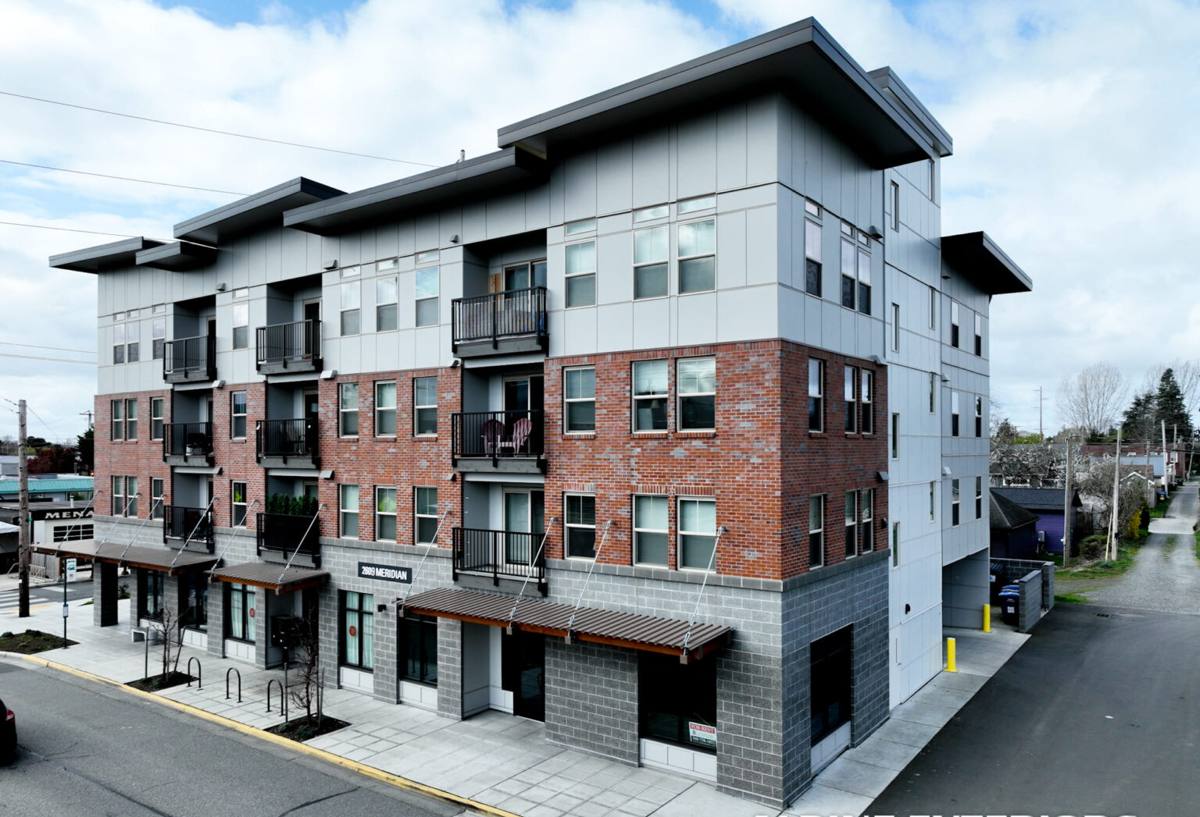
What Salt Air, Driving Rain, and Moss Season Do to a Wall Assembly
Each of these three conditions attacks siding in a different way, and understanding the mechanism is the difference between a repair that lasts and one that fails again in a few seasons.
Salt Air
Airborne salt is corrosive to exposed metal fasteners, flashing, and trim, and it also accelerates the breakdown of lower-grade paint finishes. Siding that relies on a field-applied paint job, rather than a factory-cured finish, tends to chalk and fade faster in this kind of marine-influenced air. Over time, a degraded finish stops shedding water the way it should, which opens the door to the next problem.
Driving Rain
Rain that falls straight down is manageable for almost any siding product. Rain that gets pushed horizontally by wind — which is common on exposed walls in this area — finds every gap, seam, and undersized overlap. Wall assemblies need a real drainage plane and correctly lapped seams to handle that kind of exposure; siding installed with tight, minimal overlaps or without a functioning water-resistive barrier behind it will eventually let moisture through, even if the surface looks fine.
Moss and Sustained Moisture
Shaded walls, especially those facing north or tucked behind trees, stay damp longer after every rain event. That extended dampness is exactly what moss, algae, and mildew need to establish. Beyond the cosmetic staining, sustained surface moisture on a wood-based product can slowly work its way into seams and fastener holes, which is where hidden rot usually starts — often well before it's visible from the ground.
Why We Install Only James Hardie Fiber Cement Siding
We made a deliberate decision to install one siding system: James Hardie fiber cement. We don't install vinyl, LP SmartSide, Cemplank, Allura, primed spruce, or cedar, and we think homeowners deserve an honest reason why, not just a brand preference.
Fiber cement doesn't feed moss the way wood-based products can, it's non-combustible, and it holds paint differently than most alternatives because Hardie's ColorPlus finish is baked on in a factory-controlled process rather than sprayed on-site. That matters directly in a climate like this one: a factory finish holds its color and its seal longer under UV exposure and salt air than most field-applied coatings, which means fewer repaint cycles and a longer stretch before the finish itself becomes the weak point. Hardie also engineers specific product lines for different climate zones (more on that below), which lets us match the actual product to the actual exposure a given wall faces — something a one-size-fits-all material can't do.
We're not going to tell you every other product is unusable — vinyl, wood, and engineered wood siding all have legitimate uses and plenty of installed examples that are performing fine. Our position is narrower: given what we've seen in wall assemblies in this climate, and given what we're willing to warranty and stand behind, fiber cement is the product we install. If a homeowner wants a different material, we're happy to point them toward contractors who specialize in that instead.
What a Correct Siding Installation Actually Involves
Siding failures are rarely caused by the material itself — they're caused by shortcuts taken during installation. This is the part of the job that doesn't show up in a driveway photo but determines whether the wall performs for twenty years or ten.
Tear-Off and Substrate Inspection
Removing the old siding is also the only real chance to inspect the sheathing underneath before it's covered again. Soft spots, water staining, or compromised sheathing need to be addressed before anything new goes on — covering a problem doesn't fix it, it just hides it for a few more years.
Weather-Resistive Barrier and Flashing
A correctly lapped weather-resistive barrier, paired with properly integrated flashing at windows, doors, and any wall penetration, is what actually keeps driving rain out of the wall cavity. This layer does more work than the siding itself when wind-driven rain is involved, and it's the step most likely to get rushed on a poorly run job.
Fastening and Clearances
James Hardie siding has specific fastening patterns, nailing zones, and clearance requirements — including gaps at grade, roof lines, and abutting trim — that are part of keeping the manufacturer's warranty intact. Fastening too tight, too loose, or in the wrong location isn't just a technical violation, it changes how the board handles moisture and movement over time.
Finish Work
Corners, seams, and trim details are where water intrusion most often starts if they're done poorly. Properly caulked and back-flashed transitions, especially around windows and roof-to-wall intersections, are what keep those vulnerable points sealed through years of the kind of driving rain this area sees regularly.
Matching the Product to the Exposure
Not every wall on a Sehome home faces the same conditions. A south-facing wall in full sun ages differently than a shaded, moss-prone north wall, and a wall exposed to prevailing wind and salt air needs different consideration than a sheltered one. Part of a correct installation is accounting for that variation rather than treating every elevation identically.
| Exposure Type | Primary Risk | What the Installation Should Address |
|---|---|---|
| Wind-facing walls | Driving rain intrusion at seams and penetrations | Extra attention to flashing laps and drainage plane continuity |
| Shaded / tree-covered walls | Moss, algae, and sustained surface moisture | Proper clearance at grade and vegetation for airflow and drying |
| South and west walls | UV and finish breakdown over time | Factory-cured finish rather than field-applied paint |
| Ground-level and low-clearance areas | Splash-back moisture and rot at the base | Correct clearance gap and durable, moisture-resistant board |
Our Process, Start to Finish
- On-site assessment — we walk the exterior, check current siding condition, and look for early signs of moisture damage before quoting anything.
- Scope and product selection — we recommend the appropriate Hardie product line and profile based on each wall's actual exposure, not a single blanket spec for the whole house.
- Tear-off and substrate check — old siding comes off, sheathing gets inspected, and any needed repairs are addressed and documented before covering it back up.
- Barrier and flashing installation — the weather-resistive barrier and flashing details go in correctly the first time, since this layer is largely invisible once the siding goes on.
- Siding installation — installed to manufacturer fastening and clearance specifications so the warranty stays valid.
- Finish and trim — corners, seams, and transitions sealed and finished cleanly.
- Final walkthrough — we go over the completed job with the homeowner before calling it done.
Signs a Sehome Home May Need New Siding Soon
- Visible moss or algae growth that returns shortly after cleaning
- Paint that's chalking, peeling, or fading unevenly, especially on wind- or sun-exposed walls
- Soft or spongy spots when pressing on the siding, particularly near the bottom courses
- Warping, buckling, or gaps opening up at seams and corners
- Rising energy bills that suggest the wall assembly isn't insulating or sealing the way it should
- Visible rot or staining at window sills, corner boards, or anywhere trim meets the wall
Why Hiring a Crew That Already Works in Sehome Matters
Installation quality depends heavily on whether a crew actually understands the conditions they're building for. A crew that's used to installing siding in a dry inland climate is going to make different assumptions about flashing, drainage, and clearance than one that installs regularly in a wet, salt-exposed, moss-prone environment like this part of Whatcom County. That local experience shows up in small decisions — how much lap to leave at a seam, where to prioritize extra flashing, which walls need closer attention to grade clearance — that don't appear on a spec sheet but matter enormously to how the wall performs in year twelve, not just at the final walkthrough.
It also matters for accountability. A contractor who works in the same neighborhoods repeatedly has a direct incentive to get the details right the first time, because callbacks and warranty issues are local and visible, not abstract.
Maintenance and What to Expect After Installation
Fiber cement siding is genuinely low-maintenance compared to wood-based alternatives, but "low-maintenance" doesn't mean "no maintenance." A periodic rinse to keep moss and organic buildup from establishing on shaded walls, an occasional visual check of caulked seams and trim transitions, and prompt attention to any landscaping that starts crowding the wall line will go a long way toward getting the full lifespan out of the installation. Because the ColorPlus finish is factory-applied, most homeowners won't need to repaint on the same schedule they'd expect with a field-painted product — but it's still worth a visual check after major storms, which are common enough in this area to be worth building into a normal seasonal routine.
What Affects the Cost of a Siding Installation
Every home is different, and we're not going to quote a number without seeing the property, but a few factors consistently drive cost up or down on jobs like this:
| Factor | Why It Matters |
|---|---|
| Substrate condition | Rot or moisture damage found during tear-off adds repair scope before new siding goes on |
| Wall complexity | Corners, dormers, and multiple roof lines increase flashing and trim work |
| Product line and profile | Different Hardie lines and board profiles carry different material costs |
| Access and site conditions | Tight lots, slopes, or mature landscaping can affect setup and labor time |
If you're weighing a siding replacement or a first-time installation on a home in Sehome, we're happy to walk the property, look at what your walls are actually dealing with, and put together a straightforward, no-pressure estimate — no obligation, just an honest look at what the job would involve.