 Chuckanut Exterior
 Siding Installation in Burlington: What the Local Climate Actually Demands
Homes around Burlington sit in a stretch of Washington where the weather doesn't do anything by halves. Salt-laden air drifts in off the water, driving rain comes sideways for days at a time in the fall and winter, and a long, damp moss season settles into anything that holds moisture against a wall. Siding here isn't just a cosmetic choice — it's the single biggest factor in whether a home stays dry, holds its paint, and avoids rot behind the wall assembly for the next thirty years.
A siding system that's fine in a dry inland climate can fail quietly in Burlington. Fastener corrosion from salt air, panel swelling from constant moisture cycling, and moss or algae growth on north-facing and shaded walls are the three problems we see most often on homes that were sided with the wrong product, or sided correctly with the wrong installer. Getting siding installation right in this part of Whatcom County means designing for water from the start, not just cladding the house and hoping the paint holds.
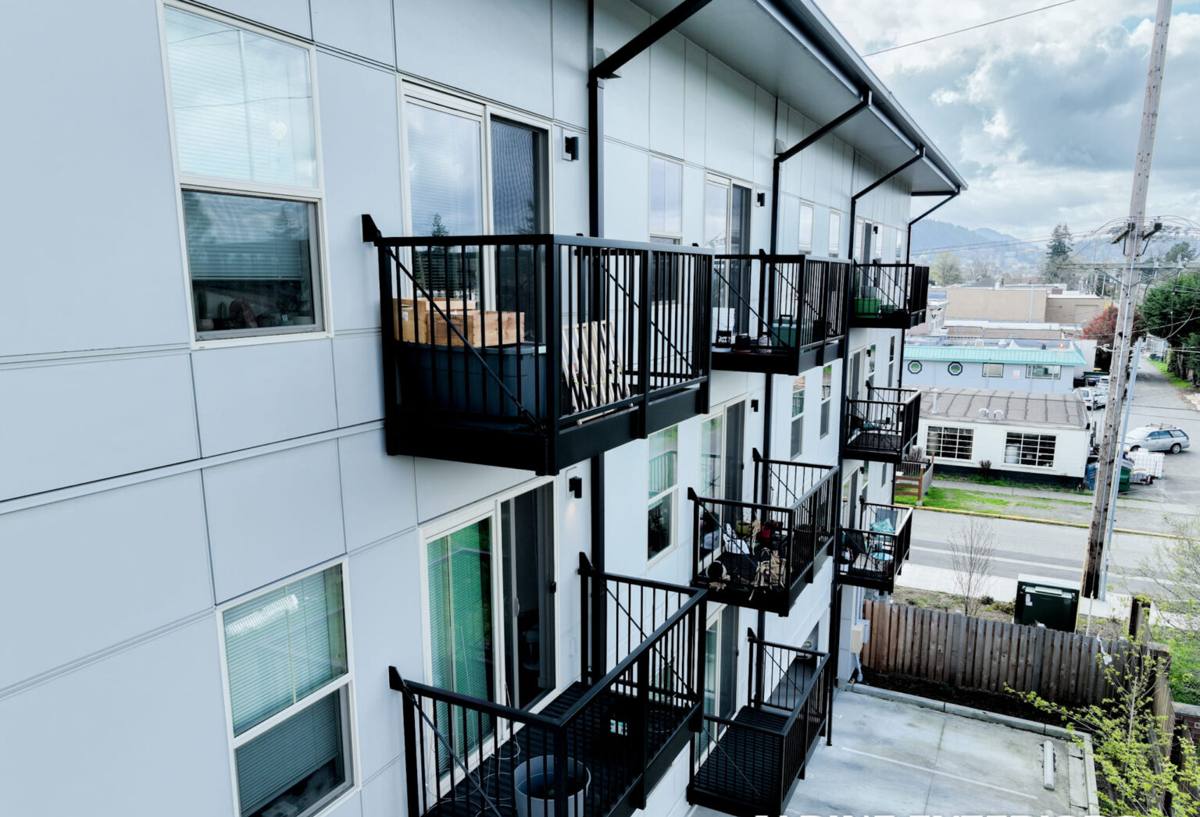
What Correct Siding Installation Actually Involves
"Installing siding" sounds simple, but the siding itself is only the visible layer of a system. Everything underneath it — the parts you never see once the job is done — is what actually determines whether the wall stays dry.
Water Management Behind the Cladding
Every wall needs a weather-resistive barrier (housewrap or building paper) installed shingle-style so water sheds downward and out, never inward. In a climate with as much driving rain as Burlington gets, we also pay close attention to drainage — a rainscreen gap or properly furred-out assembly lets any water that does get behind the siding drain and dry instead of sitting against the sheathing.
Flashing at Every Penetration
Windows, doors, hose bibs, vents, and deck ledgers are where siding jobs fail first. Correct installation means step flashing, head flashing, and properly lapped house wrap at every single penetration — not caulk used as a substitute for flashing. Caulk is a maintenance item; flashing is the actual water management.
Fastening and Clearances
Fiber cement siding has specific nailing patterns, fastener types, and clearance requirements — minimum gaps above roofing, decks, and grade, and gaps at butt joints to allow for seasonal movement. Skipping these clearances is one of the most common causes of moisture damage and premature paint failure we see on homes in this area, and it's invisible until the damage shows up years later.
Field Cuts and Sealed Edges
Any cut edge on fiber cement siding needs to be primed or sealed before installation, not after. An unsealed factory or field-cut edge left exposed to Burlington's rain and humidity is a slow entry point for moisture, even under a finished paint job.
Our Siding Installation Process
- On-site assessment — we walk the exterior, check the existing siding and sheathing condition, note problem areas (shaded walls, low clearances, past moisture damage), and measure for material.
- Written estimate and product selection — you get a clear scope of work, product line and color, and pricing before any work starts. No verbal-only quotes.
- Tear-off and sheathing check — old siding comes off and we inspect the sheathing underneath for rot or soft spots before anything new goes up. Problems found here get flagged and addressed, not covered over.
- Weather-resistive barrier and flashing — housewrap, window and door flashing, and drainage details are installed correctly the first time, since this layer is what actually keeps water out.
- Siding installation — James Hardie fiber cement installed to manufacturer specification: proper fastener type and spacing, correct clearances, sealed field cuts.
- Trim, caulking, and final detail work — corners, trim boards, and joints finished cleanly, with caulk used where it belongs, not as a stand-in for flashing.
- Walkthrough — we go over the finished job with you before calling it done.
Why We Install Only James Hardie Fiber Cement Siding
We made a decision as a company to install one product line — James Hardie fiber cement — instead of offering vinyl, engineered wood, or other fiber cement brands as cheaper alternatives. It's a narrower lineup than most siding contractors offer, and that's intentional.
Fiber cement is non-combustible, holds paint far longer than wood or engineered wood products, and doesn't expand and contract with moisture the way vinyl and wood-based sidings do — a real advantage in a climate that cycles between saturated and dry as often as Whatcom County does. James Hardie's HZ5 product line is specifically engineered for climates with freeze-thaw cycling and sustained moisture exposure, which matches conditions here better than a generic national spec. The ColorPlus factory finish also matters in a salt-air, high-moisture environment: a baked-on finish holds up to UV and moisture far longer than field-applied paint, which means fewer repaint cycles over the life of the siding.
We're not going to pretend other products don't have their place — vinyl and engineered wood siding are common, and plenty of homes have them without incident. But we've chosen to specialize in one system we can install to spec every time, back with a strong transferable warranty, and stand behind without hedging.
Siding Installation Cost Factors in Burlington
Every home is different, so we don't publish flat per-square-foot pricing — but these are the factors that actually move the number on a Burlington siding installation:
| Factor | Why It Matters |
|---|---|
| Home size and wall complexity | More corners, gables, and dormers mean more cutting, flashing, and labor time |
| Tear-off scope | Full removal of old siding down to sheathing costs more than installing over sound existing prep, but is often necessary to check for hidden rot |
| Sheathing repair | Moisture-damaged sheathing found during tear-off adds cost, but skipping the repair just buries the problem |
| Siding profile | Lap siding, panel siding, and shingle-style profiles differ in material and labor cost |
| Trim and accessory work | Trim boards, soffit, and fascia work done alongside siding adds scope but avoids a second mobilization later |
| Access and site conditions | Multi-story walls, tight lot lines, and landscaping obstacles affect labor time and equipment needs |
Signs Your Burlington Home May Need New Siding
Some warning signs are obvious; others hide in plain sight until they've been at work for years. Walk your exterior and check for:
- Paint that's peeling, bubbling, or chalking heavily, especially on shaded or north-facing walls
- Soft or spongy spots when you press on the siding, particularly near the bottom courses
- Visible warping, buckling, or gaps between siding boards
- Persistent moss, algae, or dark staining that keeps coming back after cleaning
- Cracked or missing caulk at trim, windows, and corners
- Rising utility bills or noticeably drafty rooms, which can point to a failing weather barrier
- Visible rot or discoloration at the bottom edge of the siding near grade or decks
Any one of these on its own might just need a repair. Several together, especially combined with a siding system that's already past its expected service life, usually means it's time to talk about full replacement rather than another round of patching.
Why Hiring a Crew That Already Works in Burlington Matters
Siding installation isn't a one-size-fits-all trade. A crew that primarily works drier, inland climates tends to under-detail water management because they can get away with it where they're used to working — the consequences show up years later, usually as someone else's problem. A crew that works this part of Whatcom County regularly builds habits around driving rain, salt air, and moss-prone shade patterns because those are the conditions that actually determine whether a job holds up here.
That local experience shows up in small decisions that add up: which walls need extra attention to drainage detailing, how clearances get handled near grade and decks in a climate that stays wet longer into the year, and which trim and flashing choices actually perform instead of just looking finished on installation day. It's the difference between a crew that installs siding and a crew that installs siding that's still doing its job in twenty years.
After Installation: Keeping Your New Siding Performing
Correctly installed James Hardie siding is low-maintenance, but "low-maintenance" isn't "no-maintenance," especially in this climate. A rinse-down once or twice a year clears salt residue and moss spores before they get established. Keep an eye on caulking at trim and penetrations and have any cracked or missing sections resealed promptly — caulk is a wear item, not a permanent fix. Trim back vegetation and keep gutters clear so water isn't sheeting down or pooling against the siding. None of this is complicated, but staying on top of it is what lets a well-installed system reach its full service life instead of an early one.
If your Burlington home's siding is showing its age, or you're planning ahead for a replacement, we're happy to take a look and give you a straightforward, no-pressure estimate — just fill out the form below.