 Chuckanut Exterior
 Why Decks in Sehome Wear Out Faster Than the Manufacturer's Brochure Suggests
Most decking is rated and marketed based on averages — average rainfall, average humidity, average sun exposure. Sehome doesn't get average weather. Between the salt-laden air moving in off the water, driving rain that comes in sideways during winter storms, and a moss season that can stretch from October through April, decks here take on moisture from angles most warranty documents never anticipated. Salt air accelerates corrosion on fasteners and hardware. Persistent dampness feeds moss and algae on any surface that doesn't drain and dry quickly. And driving rain doesn't just fall on a deck — it gets pushed under railings, into end grain, and behind ledger boards where it can sit for days.
None of this means a deck is doomed. It means a deck built or replaced without this climate in mind will fail years before it should, usually starting with the parts you can't see: the ledger connection, the joists, and the footings.
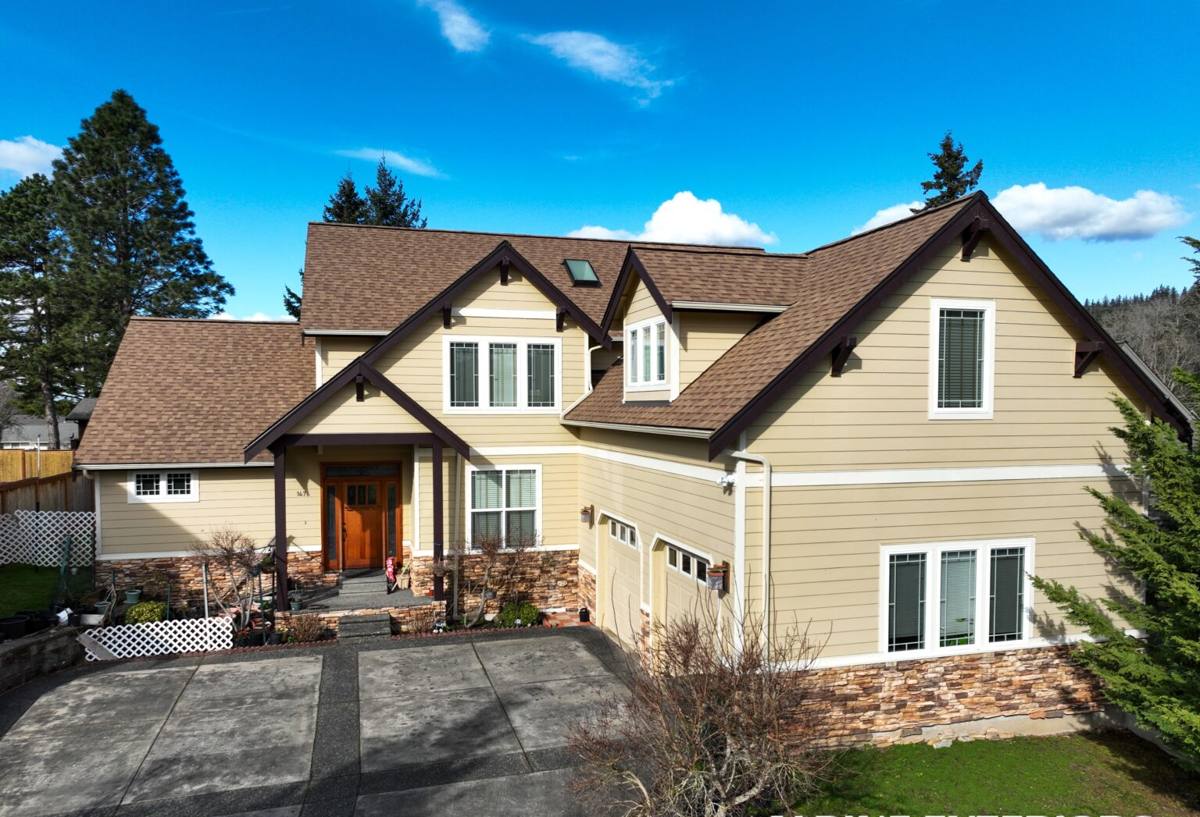
Repair or Replace? How to Tell the Difference
Not every tired-looking deck needs a full replacement, but a lot of decks that could be saved with a repair get replaced anyway — and a lot of decks that look fine on the surface are structurally past the point of patching. The difference matters because it changes the cost, the timeline, and what we're allowed to do under code.
Signs it's time for full replacement, not repair
- Soft or spongy spots in the decking, especially near the house or around posts
- Visible rot, splitting, or fastener pull-through in joists or the ledger board
- Rust staining or corrosion around structural connectors and bolts
- Persistent moss or algae growth that returns within weeks of cleaning
- A deck that visibly sways, bounces, or has separated from the house
- Railings or stair stringers that feel loose no matter how many times they've been tightened
If the problem is limited to a few boards or a railing section, and the framing underneath is sound, a repair is the honest answer and we'll say so. Replacement is warranted when the structure itself — ledger, joists, footings, or posts — has been compromised by moisture over time.
What a Correct Deck Replacement Actually Involves
A deck replacement isn't just swapping old boards for new ones. Done correctly, it's a rebuild of the whole system, and in this climate the parts below the decking matter more than the decking itself.
The ledger connection
Where the deck attaches to the house is the single most common failure point in wet climates. Proper flashing that directs water away from the house band board, correct fastener spacing, and a code-compliant connection method are non-negotiable — this is the joint that, if it fails, can mean water damage inside the wall, not just deck problems.
Framing and structure
Joists, beams, and posts need to be sized correctly for the deck's actual use (furniture, hot tubs, and gathering space all add real load) and installed with corrosion-resistant hardware rated for the fastener type and lumber treatment being used. Mixing incompatible metals is a quiet way to shorten a deck's life by a decade.
Footings
Footings need to reach frost depth and bear on stable soil, not just be poured to a convenient depth. This is also where local permitting and inspection come in — footing depth and post connections are typically what an inspector checks first.
Drainage and airflow
A deck that can't shed water and dry out underneath will grow moss and rot regardless of what's used on the surface. Proper board spacing, joist tape or flashing on the top of the joists, and keeping the area underneath clear of debris all matter more here than in drier climates.
Decking Material Options, Compared Honestly
There's no single right answer for every homeowner — it depends on budget, how much upkeep you want to do, and how long you plan to stay in the home. Here's how the common options actually perform in this climate, without the marketing spin.
| Material | Moisture Behavior | Maintenance | Typical Lifespan Here |
|---|---|---|---|
| Pressure-treated wood | Absorbs and releases moisture; prone to cupping and splitting if not sealed regularly | Annual cleaning and re-sealing recommended | 10–15 years |
| Cedar | Naturally rot-resistant but still needs sealing against driving rain and salt air | Sealing every 1–2 years | 15–20 years |
| Capped composite | Resists moisture absorption well; surface doesn't rot, but hidden fasteners and framing still need attention | Occasional washing, no sealing | 25+ years |
| PVC decking | Fully moisture-resistant surface; best resistance to moss and algae staining | Occasional washing | 25–30 years |
Composite and PVC cost more up front, but in a climate with this much sustained moisture and moss pressure, the maintenance savings over 15–20 years usually close that gap. Wood is a legitimate choice for homeowners who want a specific look or lower upfront cost and are willing to keep up with sealing — we're honest about that trade-off rather than steering everyone to the same product.
Our Deck Replacement Process
- On-site assessment. We inspect the existing deck, ledger connection, framing, and footings to confirm whether replacement is actually needed and identify any hidden moisture damage.
- Design and material selection. We walk through decking, railing, and fastener options based on your budget, maintenance preference, and how the deck gets used.
- Permitting. Deck replacements typically require a permit, especially when footings or structural framing are involved. We handle the application and coordinate inspections.
- Demolition. Full removal of the old deck, with a check of the house band board and framing behind it for water damage before anything new goes up.
- Rebuild. New footings (where needed), framing, ledger flashing, decking, and railings, installed to current code.
- Final inspection and walkthrough. We confirm the completed deck passes inspection and walk you through basic care for whatever material was chosen.
What Drives the Cost of a Deck Replacement
Every deck is different, so exact pricing depends on your specific project, but these are the factors that move the number most:
| Factor | Why It Matters |
|---|---|
| Deck size and shape | More square footage and more corners/angles both add material and labor |
| Decking material | Wood, cedar, composite, and PVC span a wide price range per square foot |
| Height and footing depth | Elevated decks and frost-depth footings require more structural work |
| Railing style | Cable, glass, and composite railings cost more than standard wood or metal baluster systems |
| Existing damage | Rot found in the ledger or framing during demolition can add repair scope |
| Permit and inspection requirements | Structural changes typically require permitting, which adds time and a modest fee |
We give a written estimate after the on-site assessment, not before — a number based on a phone description isn't reliable once we've seen the actual condition of the framing.
Living With Your New Deck: A Maintenance Checklist
Whatever material you choose, a small amount of seasonal upkeep goes a long way in this climate. This is especially true given how much of the year stays damp enough for moss to take hold.
- Sweep debris off the deck regularly, especially fallen leaves and needles that trap moisture
- Wash the surface at least once a year to remove early moss and algae growth before it spreads
- Check and clear the gaps between boards so water keeps draining freely underneath
- Inspect railings and stair connections annually for any looseness
- For wood or cedar decking, re-seal on the schedule recommended for that product — don't wait until it looks dry and gray
- Keep gutters and downspouts near the deck clear so runoff isn't dumping extra water onto or under it
Why a Crew That Already Works in Sehome Makes a Difference
Deck replacement isn't a one-size-fits-all job, and building for coastal Whatcom County conditions is genuinely different from building the same deck inland. A crew that regularly works in and around Sehome already knows how much flashing detail the ledger connection needs, how footing depths typically shake out for local soil and frost conditions, and which materials actually hold up against a Pacific Northwest wet season rather than just the ones that look good in a showroom. That local familiarity shows up in fewer surprises during the project and a deck that's built for the weather it will actually face, not generic average conditions.
If your deck is showing its age or you're not sure whether it needs repair or full replacement, we're happy to take a look. Reach out for a free, no-pressure estimate — use the form below to get started.