 Chuckanut Exterior
 Siding in Sedro-Woolley Faces a Specific Set of Challenges
Homes in Sedro-Woolley deal with a combination of conditions that most siding products simply weren't engineered around: salty, moisture-laden air moving in off the water, driving rain that hits walls sideways during winter storms, and long stretches of shaded, damp weather that keep moss and algae growing on exterior surfaces for much of the year. Any one of these on its own is manageable. Together, over years, they're what separates siding that lasts three decades from siding that starts failing in eight or ten.
Salt air accelerates corrosion on fasteners and metal trim, and it breaks down cheaper coatings faster than inland weather ever would. Driving rain doesn't just wet the surface of a wall — it gets pushed sideways and upward into seams, laps, and penetrations that vertical-only rain would never reach. And a long moss season means anything organic-based in a siding product, or any surface that holds moisture against wood fiber, becomes a slow-motion problem. We size up every siding job in Sedro-Woolley with these three factors in mind, because ignoring any one of them is how a "good enough" installation turns into a costly repair five years later.
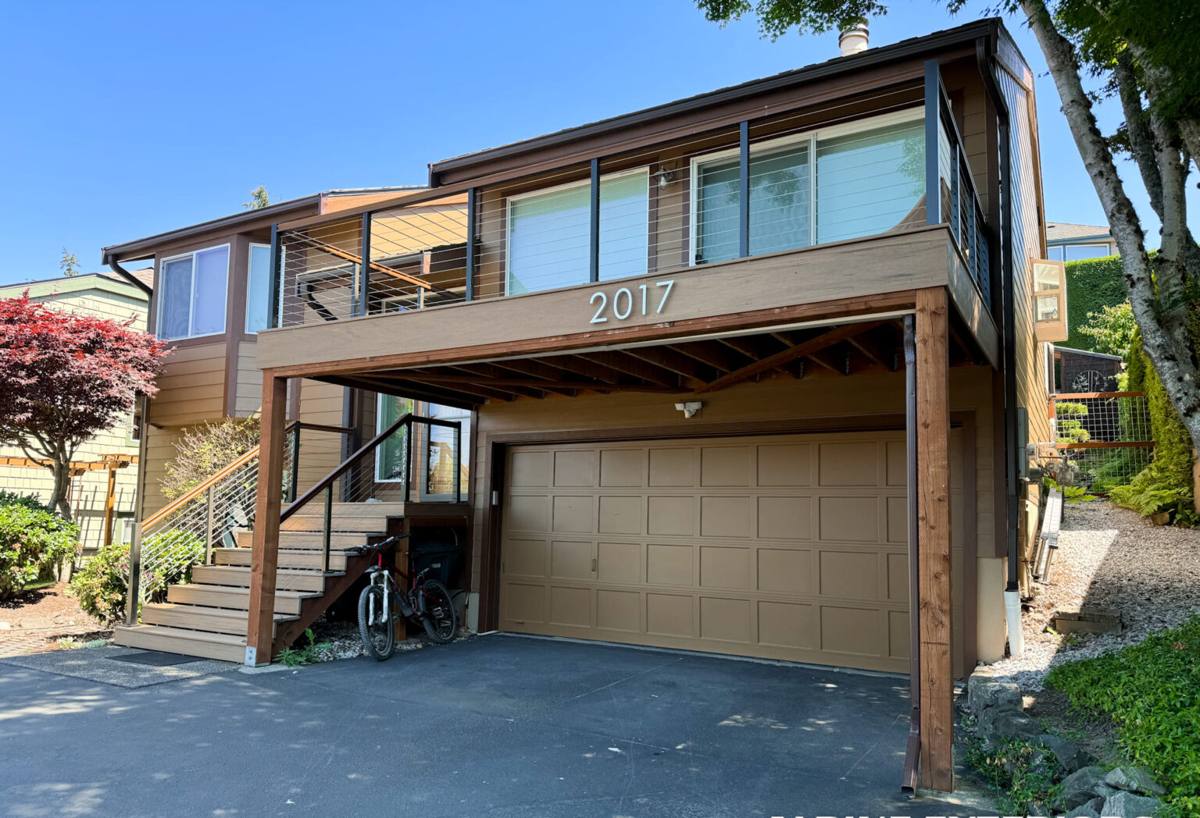
What Happens When Siding Isn't Suited to This Climate
We get called out to a lot of homes where the siding looks fine from the street but is failing underneath. The most common patterns we see in this area:
- Bottom edges of siding boards swelling, delaminating, or going soft where splash-back and standing moisture collect near grade
- Persistent moss and black algae streaking on north- and west-facing walls that never get direct sun to dry out
- Rust bleeding through paint at nail heads and metal trim, especially near the coast where salt exposure is higher
- Caulk joints that have cracked or pulled away, letting wind-driven rain track behind the siding at corners and window trim
- Paint that's failed years ahead of schedule because the substrate underneath was absorbing and releasing moisture with every weather swing
None of this is really about "bad siding" in the abstract — it's about materials and installation details that weren't matched to this climate. That's the lens we use for every Sedro-Woolley project.
Why We Install Only James Hardie Fiber Cement Siding
We made a decision as a company to install one siding system: James Hardie fiber cement, in the HZ product lines engineered for this region's weather. We don't offer LP SmartSide, vinyl, Cemplank, Allura, primed spruce, or cedar as alternatives, and that's a deliberate standard, not a lack of options.
Wood-based and engineered-wood sidings can perform well when detailing is flawless and maintenance never lapses, but they depend on an unbroken paint film and dry conditions to avoid moisture uptake at cut edges, laps, and fastener penetrations — exactly the vulnerabilities that driving rain and a long moss season exploit. Vinyl is low-maintenance but it's a thin, flexible material that can warp in temperature swings, doesn't take paint well if a color change is ever wanted, and its seams and channels can become collection points for the fine grit and organic debris that blow in off the water. Cedar is a beautiful, genuinely traditional material for this region, but it's combustible, it needs ongoing sealing or staining to hold up against constant moisture, and its cost and upkeep don't fit what most homeowners want from a long-term exterior today.
James Hardie fiber cement is cement, sand, and cellulose fiber — it doesn't rot, it isn't attractive to insects, and it's non-combustible. The ColorPlus factory finish is baked on under controlled conditions rather than field-applied, which matters a lot in a climate where wet weather limits the number of good painting days in a year. And Hardie backs the product with a strong, transferable warranty when it's installed to their specifications — which is a real reason installation quality matters as much as the material choice itself.
What a Correct Installation Actually Involves
Fiber cement siding is only as good as the assembly it's installed into. A lot of the "James Hardie problems" we hear about from other jobs trace back to installation shortcuts, not the product itself.
Moisture Management Behind the Cladding
Every wall gets a weather-resistant barrier installed correctly — lapped shingle-style, top over bottom, so any water that gets past the siding drains down and out rather than pooling behind it. Windows, doors, and any other wall penetration get flashed so water is directed out over the surface below, not into the wall cavity. This layer does the real waterproofing work; the siding itself is the first line of defense, not the only one.
Fastening, Clearances, and Caulking
Hardie specifies fastener type, spacing, and placement for a reason — get it wrong and you lose wind and impact performance, or create points where water can wick in. We hold proper clearance between the bottom of the siding and grade, roofing, decks, and patios so splash-back and standing moisture don't sit against the material. Caulking is used only where Hardie's specifications call for it, with a quality sealant rated for this kind of sustained wet-dry cycling — over-caulking a joint that's supposed to drain is as much of a mistake as leaving a joint open that should be sealed.
Trim, Corners, and Finish Details
Corner boards, trim, and joint details are where a lot of installations either look sharp for twenty years or start showing gaps and staining within five. We use compatible trim materials and finishing methods that match Hardie's system, keep reveal lines consistent, and make sure cut edges — which aren't factory-primed like the face of the board — get properly sealed before they're closed up.
Our Process, Start to Finish
- On-site assessment. We walk the exterior, check the current siding and any moisture-affected areas, and look at sheathing and framing condition where it's exposed during tear-off.
- Scope and product selection. We help you choose the right Hardie plank, panel, or shingle profile and ColorPlus color for the home, and put together a clear, itemized scope.
- Tear-off and substrate check. Old siding comes off, and we inspect sheathing for rot or damage before anything new goes on — this is the step that gets skipped on rushed jobs and causes problems years later.
- Weather barrier and flashing. The drainage plane goes in first, correctly lapped and flashed at every window, door, and penetration.
- Siding installation. Hardie product is installed to manufacturer fastening and clearance specifications, with attention to reveal consistency and corner detailing.
- Final walkthrough. We go over the finished job with you, confirm everything meets spec, and register the warranty where applicable.
What Siding Installation Costs Depend On
There's no single price that applies to every home, but the same factors move the number up or down on almost every Sedro-Woolley project we quote:
| Factor | How it affects the job |
|---|---|
| Home size and wall complexity | More square footage, dormers, and cut-ins mean more material and labor time |
| Tear-off scope | Removing and disposing of existing siding adds cost versus installing over new construction sheathing |
| Sheathing condition | Rot or moisture damage found during tear-off requires repair before new siding can go on |
| Siding profile chosen | Lap, shingle, and panel profiles differ in material and labor cost |
| Trim and detail work | Corner boards, window trim, and accent details add labor beyond flat wall installation |
| Access and site conditions | Height, tight lot lines, and landscaping near the home can affect staging and time |
We give a firm, written estimate after seeing the home in person — we don't quote sight-unseen numbers that change once the crew shows up.
Signs Your Sedro-Woolley Home May Need New Siding
- Boards that feel soft, spongy, or crumble slightly when pressed near the bottom edge
- Persistent moss, algae, or dark staining that comes back within months of cleaning
- Visible warping, buckling, or gaps opening up between boards or at corners
- Paint that's peeling, bubbling, or failing well before it should
- Rising energy bills with no other explanation, which can point to a compromised weather barrier behind the siding
- Interior wall staining, musty smell, or bubbling drywall near exterior walls
Why Hiring a Crew That Already Works in Sedro-Woolley Matters
A crew that installs siding across this region regularly knows which walls in Sedro-Woolley take the worst of the driving rain, where moss and algae tend to come back fastest, and how much clearance to hold given local grading and drainage patterns. That's knowledge you don't get from a general contractor who does one siding job a year alongside roofing, decks, and everything else. We also know Hardie's specifications well enough to install to the letter, which is what keeps the manufacturer's warranty intact if you ever need it.
If you're weighing a siding replacement or you've noticed any of the warning signs above, we're happy to take a look and give you a straight assessment — no pressure, no upsell to a product we don't stand behind. Reach out for a free estimate, and we'll walk your home's exterior with you and explain exactly what we see and what we'd recommend.