 Chuckanut Exterior
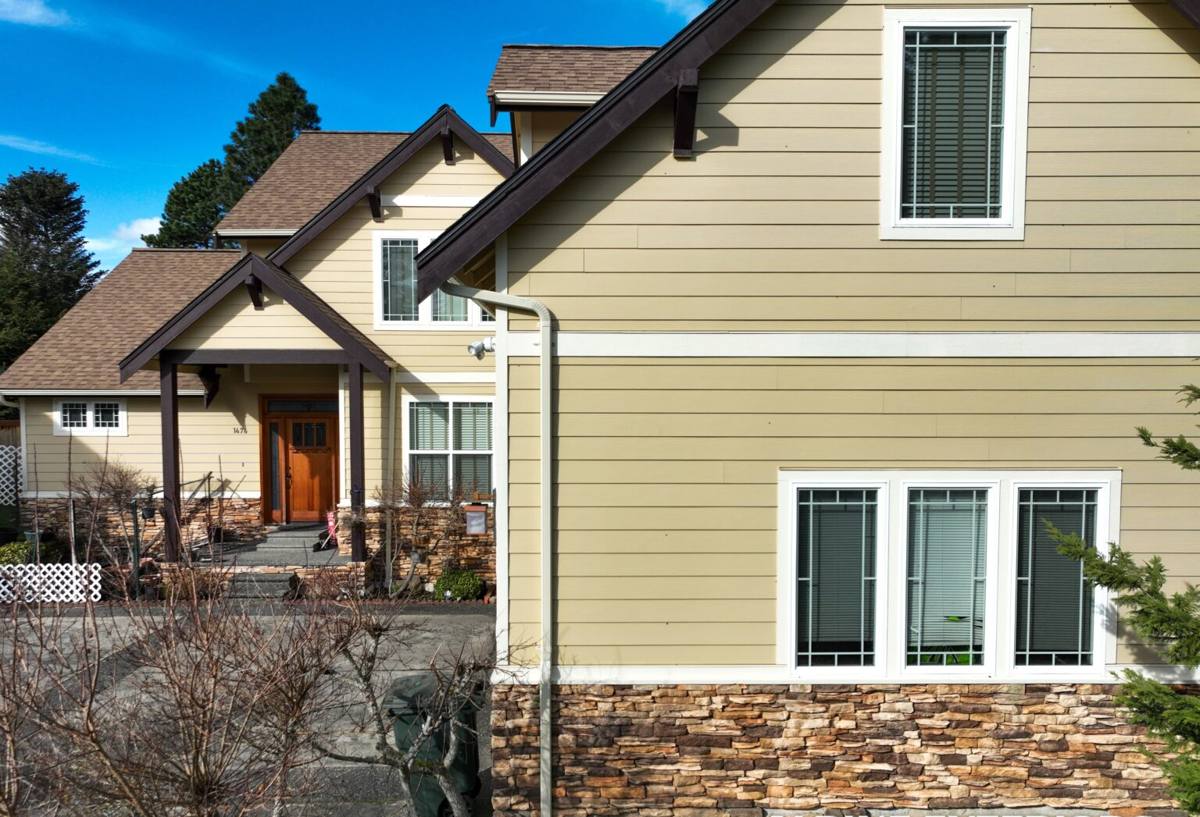
 Fiber Cement Siding Built for Sedro-Woolley Homes
Sedro-Woolley sits inland from the coast but still takes a beating from the same weather system that soaks the rest of the greater Chuckanut service area. Long wet winters, heavy tree cover along the valley, and a moss season that seems to start earlier every year all put real stress on exterior siding. Homeowners here don't need a siding product that looks good in a showroom — they need one that holds up through a Skagit Valley winter and still looks sharp come July.
We install James Hardie fiber cement siding exclusively. Not vinyl, not LP SmartSide, not primed wood. That's not a marketing angle — it's a standard we've held to because we've seen what this climate does to lesser products, and we'd rather turn down a job than install something we don't trust to last on a local roofline.
What the Local Climate Actually Does to Siding
Whatcom and Skagit County weather isn't dramatic — no hurricanes, no hailstorms most years — but it's relentless in a way that wears siding down slowly rather than all at once. That steady grind is what separates a siding job that looks good for two years from one that looks good for twenty.
Driving Rain and Moisture Cycling
The Pacific storm track pushes rain sideways through much of the fall and winter, driving water into seams, laps, and fastener points that a straight-down rain would never reach. Siding here doesn't just get wet — it gets wet at an angle, repeatedly, for months at a time. Any material that swells, wicks moisture, or delaminates when saturated is going to show it eventually.
Shade, Tree Cover, and Moss
Sedro-Woolley's tree-lined lots and valley humidity create long shaded stretches on north- and east-facing walls that rarely get direct sun to dry out between storms. That's prime moss and mildew territory. Moss holds moisture against the siding surface far longer than open rain exposure alone, which accelerates rot in wood-based products and staining on lower-grade finishes.
Salt Air on the Coastal Edge of Our Service Area
Closer to Chuckanut and the water, salt-laden air adds another layer of wear — corroding fasteners, breaking down cheap coatings, and accelerating fading. Sedro-Woolley sits far enough inland that salt exposure is lighter, but the crews who work both the coastal and inland parts of this territory see the pattern clearly: whatever handles the coast handles the valley with room to spare.
Why We Standardized on James Hardie
Fiber cement isn't a single product — quality and formulation vary by manufacturer, and we've made a deliberate call to install only James Hardie. A few reasons that decision matters specifically for a climate like this one:
- Non-combustible core. Hardie board won't ignite from embers or radiant heat the way wood-based sidings can, which matters as wildfire smoke and dry late-summer stretches become more common even in the wetter parts of the Northwest.
- Engineered for the Pacific Northwest. Hardie's HZ5 product line is formulated specifically for climates that cycle between wet and freezing, which describes a typical Skagit Valley winter almost exactly.
- Factory-applied ColorPlus finish. The finish is baked on at the factory rather than field-sprayed, which gives far more consistent coverage and a longer color life against constant damp and UV cycling than most job-site paint jobs achieve.
- A warranty that assumes correct installation. Hardie backs the product with a strong transferable warranty, but that warranty is only as good as the installation behind it — which is why our process matters as much as the material.
We won't install LP SmartSide, vinyl, primed spruce, or cedar on a home in this area — not because those products have no merit anywhere, but because we've chosen a standard and we hold every job to it.
What a Correct Fiber Cement Installation Involves
Fiber cement siding is only as good as the installation underneath it. A rushed or under-specified install can undercut even the best material — this is where most siding failures actually originate, not in the board itself.
Water Management Comes First
Before a single course of siding goes up, the wall needs a proper weather-resistive barrier, correctly lapped and taped, with flashing integrated at every window, door, and penetration. Given how much of this region's rain arrives sideways, flashing details at horizontal trim and window heads are where sloppy work shows up fastest — usually a year or two after the crew is long gone.
Clearances and Gaps Matter More Here
Hardie's install specs call for minimum clearances from grade, roofing, and decking, plus small gaps at butt joints and trim to allow for expansion. In a valley climate with heavy seasonal moisture swings, skipping these clearances is one of the most common causes of moisture intrusion and premature caulk failure we see on homes that were sided by out-of-area crews unfamiliar with local conditions.
Fastening and Fastener Selection
Fasteners need to be corrosion-resistant and set to the correct depth — overdriven nails crack the board's fiber cement edge and create a moisture entry point that isn't visible until it's already a problem. We fasten to Hardie spec, not to whatever's fastest.
Caulking and Sealant Practices
Butt joints and trim transitions get sealed with a high-quality, paintable, flexible sealant rated for exterior use — not a bargain caulk that shrinks and cracks after one wet season. This is a small line-item that has an outsized effect on long-term performance in a climate this wet.
Choosing the Right Hardie Product Line
James Hardie makes several distinct product lines, and the right choice depends on the home's style, sun exposure, and how much of the wall sits under tree cover.
| Product Line | Best For | Local Consideration |
|---|---|---|
| HardiePlank Lap Siding | Traditional and craftsman-style homes | Most common choice; wide color range works well against the region's green, wooded backdrop |
| HardiePanel Vertical Siding | Modern facades, accent walls, gable ends | Clean lines pair well with board-and-batten trim details common in newer valley builds |
| HardieShingle | Cottage and Craftsman-style homes | Adds texture without the moisture retention issues of real wood shingle |
| HardieTrim | Window casings, corner boards, fascia | Matched fiber cement trim avoids the mismatched wear you get pairing wood trim with fiber cement field siding |
Every one of these is available in Hardie's HZ5 formulation, which is the version engineered for climates with real freeze-thaw cycling and sustained moisture — exactly what a Sedro-Woolley winter delivers.
Our Process on a Sedro-Woolley Job
- On-site assessment. We walk the home, check for existing moisture damage behind the current siding, and identify shaded, high-moss walls that may need extra attention to flashing and drainage.
- Tear-off and sheathing check. Old siding comes off and we inspect the sheathing underneath — this is often the first time hidden rot or past water intrusion becomes visible, and it needs to be addressed before anything new goes on.
- Weather barrier and flashing. A new weather-resistive barrier goes on with properly lapped seams and integrated flashing at every opening.
- Hardie installation to spec. Boards are cut, fastened, and gapped per manufacturer specification, with corrosion-resistant fasteners throughout.
- Trim, caulking, and touch-up. Trim is installed, joints are sealed, and any factory-finish touch-up is done with Hardie-matched product.
- Final walkthrough. We go over the completed job with the homeowner before calling it done.
Cost Factors for a Sedro-Woolley Siding Project
Every home is different, but a few factors consistently move the price on jobs in this area:
| Factor | Why It Matters Here |
|---|---|
| Existing sheathing condition | Homes with prior moisture damage may need sheathing repair before new siding goes on |
| Home size and wall complexity | Gables, dormers, and multiple roof lines add cutting and flashing time |
| Product line and profile | Lap, panel, and shingle profiles carry different material and labor costs |
| Tear-off vs. new construction | Removing and disposing of old siding adds labor beyond a bare-wall install |
| Trim and accent detail | Matched HardieTrim on corners, windows, and fascia adds cost but improves long-term consistency |
We don't quote broad numbers without seeing the home — too many of these factors are specific to the individual house — but we're upfront about what's driving the estimate line by line.
Maintaining Fiber Cement Siding in This Climate
Fiber cement is low-maintenance compared to wood or vinyl, but "low-maintenance" isn't "no-maintenance" — especially with the moss and moisture load this area sees.
- Rinse siding annually to clear pollen, moss spores, and grime buildup, particularly on shaded north-facing walls
- Trim back tree branches and shrubs that keep siding shaded and damp longer than necessary
- Check caulking at trim joints and window transitions every couple of years and re-seal if it's cracking or pulling away
- Watch for moss buildup at the base of walls and in corners where debris collects — it holds moisture against the surface
- Repaint only if needed years down the road, using a product compatible with the ColorPlus finish, and only through a qualified applicator
Why a Crew That Already Works This Area Matters
A siding crew that only occasionally works Skagit and Whatcom County jobs doesn't build the same instinct for where moisture problems tend to originate on local homes — which walls stay shaded longest, which flashing details fail first under sideways rain, which lots hold enough humidity to grow moss on siding that would stay clean elsewhere. That local pattern recognition is the difference between a crew that installs siding correctly on paper and one that installs it correctly for this specific climate.
We work this territory continuously, from the coastal edge near Chuckanut inland through Sedro-Woolley, and we bring that same standard — Hardie only, installed to spec — to every job regardless of which side of the valley it's on.
If you're considering new siding for a Sedro-Woolley home, we're happy to take a look and walk you through what your specific house needs — no pressure, no obligation. Request a free estimate using the form below.