 Chuckanut Exterior
 Roof Replacement Built for Blanchard's Coastal Weather
Blanchard sits close enough to the water and the tree line that roofs here take a different kind of beating than roofs twenty miles inland. Homes in this part of Whatcom County deal with a steady mix of salt-laden air off the water, long stretches of driving rain, and shade patterns that keep moss growing for most of the year. None of that is dramatic on its own, but stacked together over a decade or two, it wears through roofing systems faster than most homeowners expect. A roof replacement out here isn't just about swapping old shingles for new ones — it's about choosing materials and details that actually hold up to this specific environment.
Chuckanut Exterior Companies works on homes throughout Blanchard and the surrounding Chuckanut area, and this page walks through what a correct roof replacement looks like when it's done for this climate specifically, not a generic weather zone.
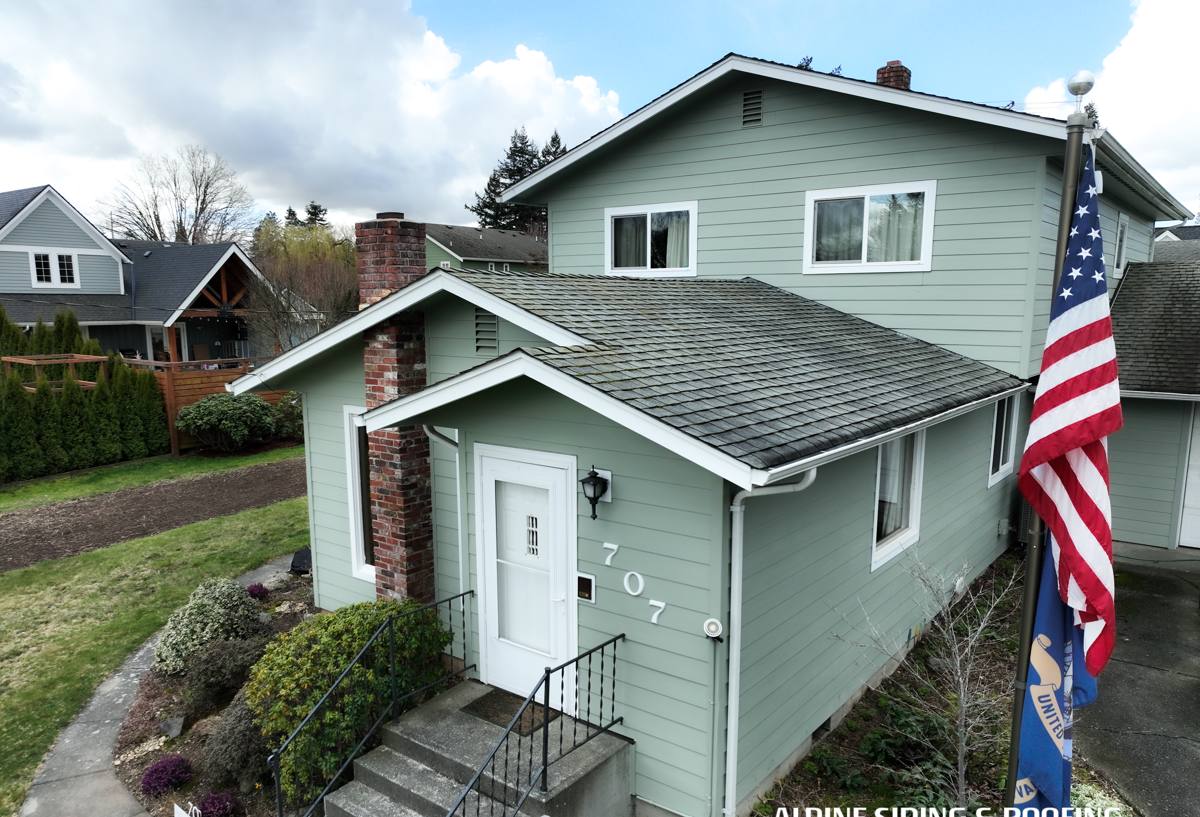
Why Blanchard Roofs Wear Differently
Salt Air and Metal Fasteners
Proximity to saltwater accelerates corrosion on exposed metal — nails, flashing, gutter hardware, and vent caps all age faster here than they would further inland. A roof replacement that uses standard-grade fasteners or bargain flashing metal may look fine for a few years before rust streaks and pinhole leaks start showing up at the exact points that are hardest to catch early: valleys, chimney flashing, and penetration boots.
Driving Rain and Wind-Driven Moisture
This region doesn't just get rain — it gets rain that comes in sideways during storms. That matters for roofing because wind-driven rain can work its way under shingles or shakes at laps and edges that would stay dry in a straight downpour. Underlayment quality, starter course installation, and edge detailing carry more weight here than they would in a calmer climate.
Moss and Shade
Tree cover and cloudy, damp stretches for much of the year create ideal conditions for moss and algae growth. Moss doesn't just look bad — it holds moisture against the roofing surface, lifts shingle edges as it grows, and can shorten the effective life of a roof by years if it's left unmanaged. A replacement roof should be specified and detailed with that reality in mind, not installed as if the roof sat in full sun.
Signs a Blanchard Roof Needs Replacing, Not Patching
- Granule loss heavy enough that shingles look patchy or bald in spots, especially on south- and west-facing slopes
- Moss buildup that keeps returning within a season or two of cleaning, even after treatment
- Soft spots or sagging in the roof deck when walked, which usually means moisture has reached the sheathing
- Multiple past repairs in different areas rather than one isolated issue
- Curling, cracking, or cupping shingles, particularly along ridges and edges exposed to wind
- Rust staining at flashing points, vents, or gutters
- Daylight visible through the roof deck from inside the attic, or damp insulation after storms
- A roof approaching or past the manufacturer's expected service life for this climate
One or two of these on their own might mean a targeted repair is enough. Several at once, especially combined with an aging roof, usually means repair costs start competing with replacement costs without buying much extra time.
What a Correct Roof Replacement Involves Here
Full Tear-Off and Deck Inspection
We don't install new roofing over old material. A full tear-off lets us see the actual condition of the roof deck, which is the part that matters most for how long the new roof will last. Rot, soft sheathing, or old water damage gets addressed before anything new goes down — covering that kind of damage instead of fixing it is how a new roof ends up with old problems underneath it.
Underlayment Suited to Wind-Driven Rain
Given how much sideways rain this area sees, we treat underlayment as a real line of defense, not a formality. Synthetic underlayment with properly lapped and sealed seams, along with ice-and-water-shield style membrane at eaves, valleys, and vulnerable transitions, gives the roof a backup layer if wind ever pushes moisture past the primary roofing surface.
Corrosion-Resistant Flashing and Fasteners
Because of the salt air, we favor flashing and fastener materials chosen for corrosion resistance rather than the cheapest option available. This applies to valley metal, chimney and skylight flashing, drip edge, and the fasteners holding it all together. It costs more up front than mild steel and saves callbacks for rust-related leaks later.
Ventilation That Accounts for Moisture and Moss
Proper intake and exhaust ventilation keeps the underside of the roof deck dry and reduces the damp, stagnant conditions that moss and algae thrive in. On shaded Blanchard lots especially, ventilation is one of the most underrated parts of a roof replacement — it affects both roof lifespan and how fast moss comes back.
Edge, Valley, and Penetration Detailing
Most roof leaks don't happen in the open field of the roof — they happen at edges, valleys, and penetrations like vents and chimneys. These are the areas where we spend the most attention during installation, because they're also the areas driving rain and moss exploit first.
Comparing Roofing Options for This Climate
| Material | How It Handles Salt Air & Rain | Moss Resistance | Maintenance Considerations |
|---|---|---|---|
| Architectural asphalt shingle | Good with proper flashing and fasteners; widely proven in coastal-influenced climates | Moderate; benefits from algae-resistant granules and periodic cleaning | Lowest maintenance burden; straightforward repairs if ever needed |
| Standing seam metal | Excellent water shedding on driving rain; needs corrosion-resistant fasteners and coatings near salt air | High; smooth surface discourages moss growth | Higher upfront cost; occasional fastener and sealant checks over time |
| Cedar shake | Traditional look but more sensitive to sustained moisture exposure | Low without diligent upkeep; shaded, damp roofs are the hardest environment for this material | Requires the most active maintenance in this specific climate; we're upfront that it's a harder fit for heavily shaded Blanchard lots |
We're honest that no single material is automatically "best" — the right choice depends on the home's shade exposure, the owner's tolerance for maintenance, and budget. What we won't do is recommend a product that fights the site conditions just because it's popular elsewhere.
Our Roof Replacement Process
- On-site inspection: We assess the current roof, deck condition, ventilation, and shade/moss exposure specific to the property.
- Written estimate: A clear scope covering materials, tear-off, deck repairs if needed, and timeline — no vague allowances.
- Material selection: We walk through the trade-offs in plain terms so the decision fits the home, not just the catalog.
- Tear-off and deck repair: Old roofing removed, deck inspected and repaired as needed before anything new is installed.
- Installation: Underlayment, flashing, ventilation components, and roofing material installed with attention to the edges and penetrations that matter most in this climate.
- Final walkthrough: We review the completed roof with the homeowner and confirm cleanup is complete.
Why a Crew That Already Works Blanchard Matters
A roof replacement done by a crew unfamiliar with this specific stretch of Whatcom County can still turn out fine — but it's more likely to miss the details that only show up after a season or two of local weather. Knowing which slopes on a shaded Blanchard lot will hold moss longest, how much flashing corrosion to expect near the water, and how driving rain typically hits a given roof orientation isn't guesswork we do once and move on from — it's pattern recognition built from working this area repeatedly. That's the difference between a roof that looks right at installation and one that's actually specified for where it sits.
Maintaining a New Roof After Installation
- Schedule periodic moss removal rather than waiting until growth is heavy and established
- Keep gutters clear so water isn't backing up under the roof edge during heavy rain
- Trim back overhanging branches where practical to reduce shade and debris buildup
- Have flashing and penetration points visually checked every few years, especially after major storms
- Address small issues — a lifted shingle, a loose vent boot — before the next rainy season rather than after
A well-installed roof still benefits from basic upkeep in a climate like this one. None of it is complicated, but skipping it tends to shorten the roof's effective life more than homeowners expect.
Get a Straightforward Estimate
If your roof in Blanchard is showing wear, growing moss faster than it used to, or is simply due for replacement, we're glad to take a look and give you an honest read on where it stands. Fill out the form below for a free, no-pressure estimate — we'll walk the roof, explain what we see, and give you options that actually fit your home and this climate.