 Chuckanut Exterior
 Roof Repair Built for South Hill's Terrain and Weather
South Hill sits above the rest of the Chuckanut area on sloped, often tree-shaded lots, which changes how a roof ages compared to a flat, open-lot home. Shade slows drying time after rain. Slope affects how water and debris move across the roof deck. And because many South Hill homes are older, their roofs were often built to codes and material standards that don't account for how much rain and moss pressure this part of Whatcom County actually sees. A repair here isn't just patching a leak — it's understanding how the specific roof, on that specific lot, is interacting with the weather it's exposed to.
We work on roofs throughout the Chuckanut area, but South Hill's mix of mature tree cover, hillside exposure, and older housing stock means we see certain repair issues here more often than in newer, more open neighborhoods. That local pattern-recognition is a big part of what makes a repair correct the first time instead of a temporary fix that fails again next winter.
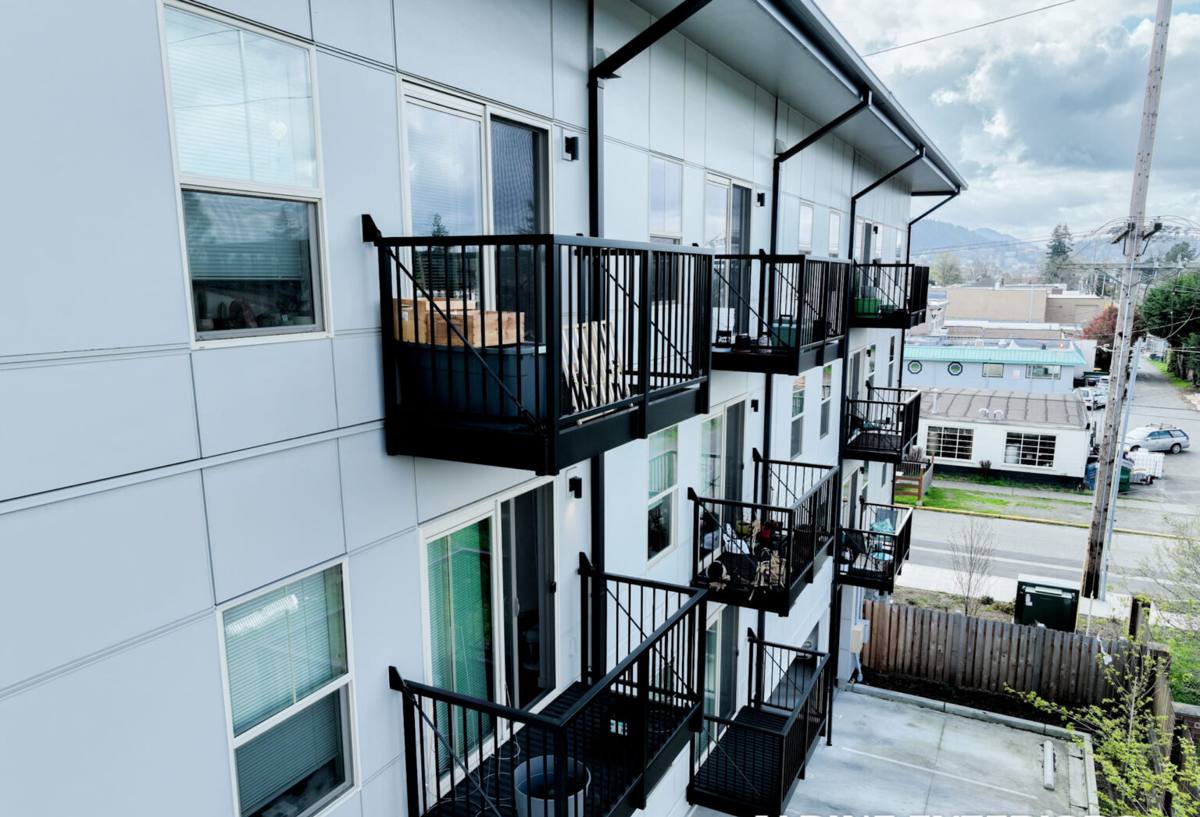
What Whatcom County Weather Does to a Roof Over Time
Three things drive most of the roof repair calls we get in this region, and South Hill gets a concentrated dose of all three:
Salt Air
Proximity to Bellingham Bay means airborne salt settles on roofing materials, flashing, and fasteners over time. Salt exposure speeds up corrosion on exposed metal — nail heads, flashing edges, gutter hardware — long before the shingles or roofing material themselves are due for replacement. A repair that ignores corroding metal components is a repair that will need to be redone.
Driving Rain
Wind-driven rain doesn't fall straight down — it gets pushed sideways and upward under laps, flashing edges, and ridge caps that would stay dry in a calmer climate. This is why leaks in this region so often show up at transitions (chimneys, walls, skylights, valleys) rather than in the open field of the roof. Standard installation tolerances that work fine in drier climates aren't tight enough here.
Moss Season
Whatcom County's moss season runs long — cool, damp conditions for much of the year give moss and algae plenty of time to establish. On shaded South Hill roofs, moss can take hold within a single season if it isn't kept in check. Moss holds moisture against the roofing surface, lifts shingle edges as it grows, and can work its way under laps and around fasteners, creating paths for water intrusion that aren't visible from the ground.
Common Roof Repair Issues We See in South Hill
- Moss-lifted shingles along shaded slopes and north-facing sections that stay damp longer
- Flashing leaks at chimneys, skylights, and where roof planes meet walls
- Valley wear where water volume concentrates and debris (needles, leaves) collects and holds moisture
- Corroded or loosened fasteners and metal flashing from long-term salt air exposure
- Gutter and downspout backups that force water back up under the roof edge during heavy rain
- Ridge cap separation from repeated wind-driven rain and freeze-thaw cycling
- Granule loss and surface wear on composition roofs from sustained moisture exposure
What a Correct Roof Repair Actually Involves
A roof repair that holds up in this climate goes beyond sealing the spot where water is currently showing up inside the house. Water rarely enters exactly where it appears on a ceiling — it travels along the underlayment or decking before dripping down, so an accurate repair starts with tracing the actual entry point, not just the visible symptom.
Diagnosis Before Repair
We inspect the roof surface, flashing, penetrations, and attic or roof-deck access (where available) to confirm where water is actually getting in. This matters because two leaks that look identical from inside a home can have completely different causes — one might be a failed pipe boot, the other a flashing gap two feet away.
Matching Materials, Not Just Covering Gaps
Repairs need to match the existing roofing material in type, profile, and where possible, age and color, so the repair blends in and performs the same way as the surrounding roof. Mismatched materials can create their own moisture problems — different expansion rates, different water-shedding behavior — that cause new issues down the line.
Addressing the Cause, Not Just the Symptom
If moss caused the shingle lift, we treat and clear the moss as part of the repair, not just replace the damaged section and leave the same conditions in place. If salt-air corrosion compromised the flashing, we replace the flashing with corrosion-resistant material, not just reseal the corroded piece. A repair that doesn't address why the damage happened is a repair that comes back.
Our Roof Repair Process
- Inspection and assessment — We evaluate the roof surface, flashing, valleys, penetrations, and drainage path, and where safely possible, check attic-side conditions for moisture staining or deck damage.
- Clear explanation of findings — We show you what we found and explain what's causing it in plain language, including whether it's an isolated repair or a sign of broader wear.
- Written estimate with options — You get a straightforward scope of work and price before anything happens, including alternatives if there's more than one reasonable way to address the issue.
- The repair itself — Damaged material is removed, the deck underneath is checked and repaired if needed, and new material is installed and properly flashed and sealed to shed water the way the rest of the roof does.
- Site cleanup — Old material, fasteners, and debris are removed from the property, including a magnetic sweep of the ground near the work area.
- Follow-up — We stand behind the work and want to know if anything doesn't perform as expected, particularly through the first heavy rain after the repair.
Repair vs. Replacement: How We Help You Decide
Not every roof problem needs a full replacement, and not every leak can be permanently fixed with a patch. The honest answer depends on the roof's age, how widespread the damage is, and what's driving it.
| Factor | Repair Usually Makes Sense | Replacement Should Be Considered |
|---|---|---|
| Extent of damage | Isolated to one section, flashing point, or penetration | Multiple areas failing, or damage spread across large sections |
| Roof age | Well within expected material lifespan | At or near the end of the material's typical service life |
| Underlying deck | Solid, dry decking under the damaged area | Soft, rotted, or repeatedly wet decking found during inspection |
| Moss or algae condition | Manageable with treatment and cleaning | Long-term unaddressed growth has degraded the surface broadly |
| Repair history | First or infrequent repair in that area | Same area has needed repeat repairs |
We'll tell you plainly which category your roof falls into. If a repair is the honest answer, we won't push a replacement — and if a roof is genuinely past the point where patching makes sense, we'll explain why rather than let you keep spending on a fix that won't hold.
Materials We Work With — and Our Standards for Using Them
South Hill roofs include a mix of composition shingle, metal, and some older or specialty materials depending on when the home was built. For repairs, we match what's already on the roof whenever it's a sound long-term option. For sections requiring more than a like-for-like patch, we favor materials with proven performance in high-moisture, salt-air, and moss-prone conditions — meaning corrosion-resistant flashing and fasteners, and shingle or metal products rated for sustained wet-climate exposure. We're upfront when a material choice comes with real maintenance trade-offs, like algae-resistant shingle coatings that reduce but don't eliminate the need for periodic moss treatment, so you know what ongoing care to expect rather than being surprised by it later.
Cost Factors in a Roof Repair
| Factor | Why It Affects Cost |
|---|---|
| Roof pitch and access | Steeper hillside roofs and limited access points require more setup and safety equipment |
| Extent of decking damage | Rotted or soft decking found under the roofing material adds repair scope |
| Material match availability | Older or discontinued roofing materials can be harder to match without a wider repair area |
| Number of penetrations involved | Chimneys, skylights, and vents each require their own flashing detail |
| Moss or debris removal needed | Heavier growth requires more prep time before the repair itself begins |
Why a Crew That Already Works South Hill Matters
Roof repair on hillside, tree-covered lots is different work than repair on an open, flat-lot home. Access is more constrained. Shade patterns affect where moss and moisture problems concentrate. And older homes in established neighborhoods sometimes have roof framing or venting quirks that a crew unfamiliar with the area's housing stock might miss. A crew that regularly works in South Hill and the broader Chuckanut area has already seen how these specific conditions play out on real roofs, which means less time spent diagnosing and more time spent fixing the actual problem correctly.
There's also a practical side: local crews know which repairs tend to resurface in this climate if they're done with shortcuts, and build the repair to avoid that outcome from the start — rather than learning it the hard way on your roof.
A Seasonal Roof Maintenance Checklist for South Hill Homeowners
Between full inspections, a few simple habits catch small problems before they become interior leaks:
- Clear leaves, needles, and debris from valleys and gutters at least twice a year, more often under heavy tree cover
- Check for visible moss growth after the wet season and address it before it spreads across shaded sections
- Look inside the attic (if accessible) after a heavy storm for any signs of new moisture staining
- Watch for granules collecting in gutters, which can signal accelerated shingle wear
- Have flashing around chimneys and skylights checked periodically, since these are the most common leak points in wind-driven rain
- Trim back overhanging branches that keep sections of the roof shaded and slow to dry
Get a Free, No-Pressure Estimate
If you're dealing with a leak, visible moss, or just want a roof checked before the next round of Whatcom County rain, we're happy to take a look. Use the form below to request a free estimate for roof repair in South Hill — no pressure, just an honest assessment of what your roof needs.