 Chuckanut Exterior
 Building New in Larrabee? Get the Windows Right the First Time
New construction is the one point in a home's life where windows can be installed exactly the way they should be — before siding closes in the rough opening, before drywall hides the flashing, before anyone has to guess what's behind the trim. For homes going up in and around Larrabee, that first-pass installation matters more than it does in most places. This stretch of Chuckanut sits close enough to the water that salt-laden air reaches the exterior of every building, and the surrounding forest and terrain keep humidity and shade lingering long after a storm has passed. Windows installed correctly here can go decades without a problem. Windows installed with shortcuts start showing it within a few wet seasons.
This page covers what we look at specifically for new-construction window installs on Larrabee-area builds — not a general window pitch, but the details that actually change outcomes in this microclimate.
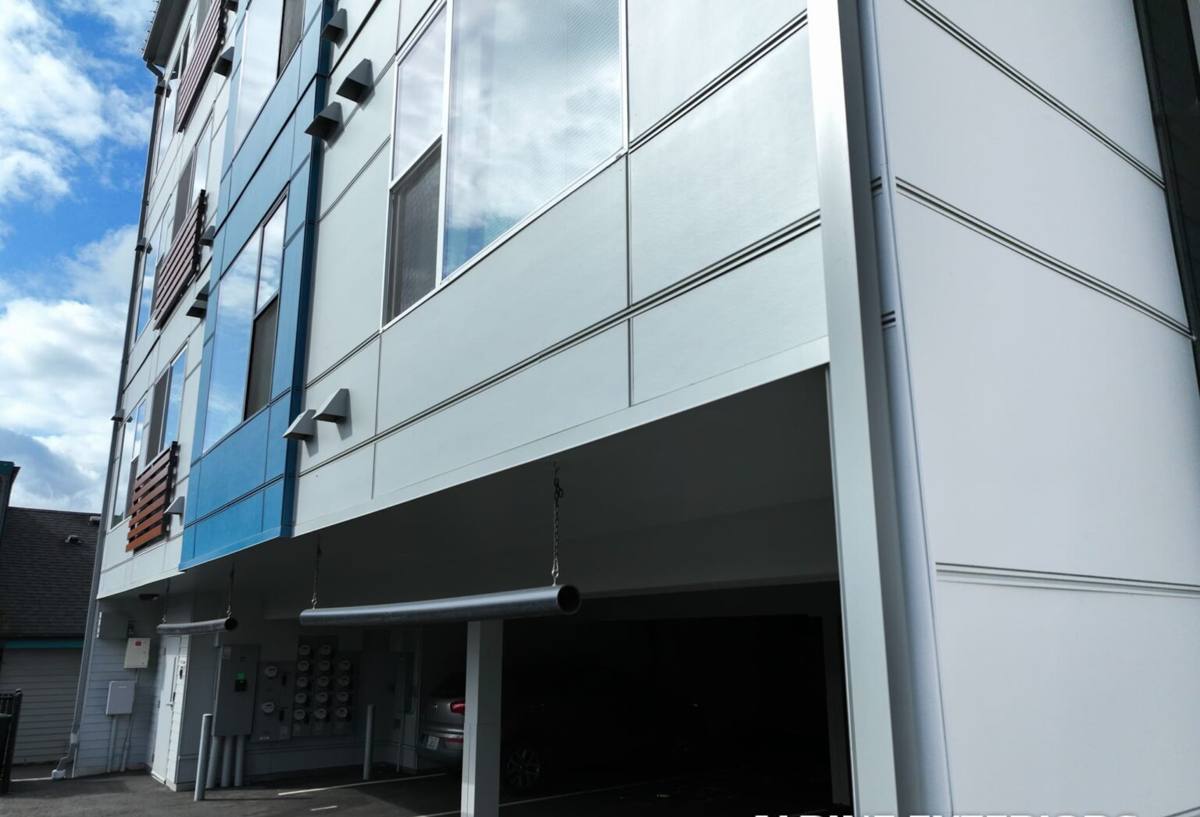
What Larrabee's Climate Actually Does to a Window Opening
Three conditions define this area, and each one puts a different kind of stress on a window assembly:
- Salt air: Proximity to the water means airborne salt settles on exterior surfaces year-round, not just during storms. Over time it accelerates corrosion on unprotected fasteners, hardware, and lower-grade cladding finishes.
- Driving rain: Storms coming off the water don't just fall straight down — wind pushes rain sideways into wall assemblies. A window that's only designed to shed water from above will let moisture in around the sides and sill during a real blow.
- Long moss season: Shade, moisture, and mild temperatures for much of the year create ideal conditions for moss and algae to colonize any surface that stays damp — including sills, sashes, and the wood or fiber-cement trim around a window opening.
None of these are dramatic on their own. Together, over years, they're what separates a window install that ages gracefully from one that needs sill repair and re-caulking every few seasons.
What a Correct New-Construction Install Involves
Flashing Sequence Before the Window Ever Goes In
New construction gives us access to the rough opening before it's covered by anything. That means we can build a proper flashing sequence in the right order — sill pan first, then the window unit, then jamb flashing, then head flashing lapped over everything below it — so water is always directed outward and down, never trapped behind the siding. This is the single biggest factor in long-term window performance, and it's far easier (and cheaper) to do right during new construction than to retrofit later.
Sill Pan Drainage
Given how much wind-driven rain this area sees, we treat the sill pan as non-negotiable, not optional. A sloped, sealed sill pan with a clear path for incidental water to drain back out to the exterior is what keeps a small amount of wind-driven moisture from becoming a rot problem five or ten years down the road.
Weather-Resistive Barrier Integration
The window flashing has to integrate with the house wrap or weather-resistive barrier in the correct shingle-lap order — each layer overlapping the one below it. Get this sequence backwards and you've created a shelf that collects water instead of shedding it, and you won't know it until there's damage inside the wall.
Fasteners and Hardware Rated for Coastal-Adjacent Exposure
Because of the salt air common to this part of Chuckanut, we favor corrosion-resistant fasteners and hardware rather than standard-grade options that are fine further inland. It's a small cost difference at install time and a meaningful difference in how the window operates and looks ten-plus years later.
Sealant Selection and Joint Design
Not every sealant handles sustained damp exposure the same way. We use products and joint designs suited to a wet, mossy environment — ones that stay flexible and adhered through repeated wet-dry cycles instead of cracking or losing adhesion after a couple of winters.
Choosing Frame Materials for This Specific Environment
Frame material matters more here than in a dry climate. The table below reflects the honest trade-offs we walk new-construction clients through in the Larrabee area.
| Frame Material | Moisture / Salt Air Behavior | Maintenance Burden | Where It Fits |
|---|---|---|---|
| Vinyl | Doesn't corrode or rot; performs well in salt air and rain exposure | Low — occasional cleaning | Strong value pick for most new builds in this area |
| Fiberglass | Excellent stability in moisture and temperature swings; resists salt exposure well | Low | Good fit where a stiffer, longer-lived frame is wanted |
| Aluminum-clad wood | Exterior clad face resists weather; wood interior needs the clad seal to stay intact | Moderate — depends on maintaining the seal at joints | Popular for interior wood look; needs correct install and periodic inspection |
| Bare wood | Vulnerable to sustained damp and moss colonization without diligent upkeep | High — regular repainting/resealing | Only where the owner is committed to ongoing maintenance |
We don't push one material on every job. The right call depends on how exposed the specific elevation is, the architectural style of the home, and how much upkeep the owner wants to take on. What we do insist on, regardless of material, is that whatever's chosen is genuinely rated for sustained wet exposure — not just labeled for general use.
Glass and Performance Choices Worth Discussing Up Front
New construction is the right time to decide on glazing, not something to revisit after the walls are closed. A few considerations specific to this area:
- Low-E coatings help manage heat loss through Whatcom County's long cool, damp season without meaningfully changing how much natural light gets through — useful in homes near tree cover that already get less direct sun.
- Argon-filled double or triple pane units improve insulation value, which matters when a home is heated through a long wet, cool stretch of the year rather than a short winter.
- Condensation resistance is worth asking about specifically — homes in consistently humid, shaded settings can see more interior condensation on glass than homes in drier climates, and some window packages handle that better than others.
Our Process for New-Construction Window Installs
- Plan review: We look at rough opening sizes, elevations, and exposure before the framing crew finishes so window selection and flashing details are settled early, not decided on the fly.
- Material and glazing selection: We walk through frame material and glass package options against the home's specific exposure and the owner's maintenance preferences.
- Rough opening prep and flashing: Sill pan, jamb flashing, and weather barrier integration are completed in the correct sequence before the window is set.
- Window setting and shimming: Units are set level, plumb, and square, with proper shim placement so the frame isn't stressed and hardware operates smoothly for years.
- Head flashing and exterior sealing: Final flashing and sealant work close out the exterior weather line.
- Interior and exterior trim: Trim is fitted after the weather-critical work is verified, not before.
- Final check: Operation, seal, and drainage are confirmed before we consider the install complete.
Quick Checklist for Homeowners and Builders Working With Us
- Confirm sill pan flashing is included in the install scope, not treated as optional
- Ask which frame material is being specified and why, given the home's specific exposure
- Confirm fastener and hardware corrosion ratings, especially on wind- or water-facing elevations
- Review the flashing lap sequence with the weather-resistive barrier before siding closes it in
- Ask about condensation resistance if the lot is heavily shaded or consistently damp
- Get the maintenance expectations in writing for whatever frame material is chosen
Why It Matters That We Already Work in Larrabee
A crew that mostly works drier, more sheltered areas can install a technically fine window and still get the details wrong for this environment — because those details only show up as problems after a few wet seasons of salt air and driving rain. Working regularly in and around Chuckanut and the Larrabee area means we're not guessing at how exposed a given lot is or what the moss and moisture pattern looks like on a north-facing wall shaded by trees for most of the day. We build the flashing, drainage, and material choices around what actually happens here, not around a generic installation spec.
New construction only gives you one real shot at getting a window opening built correctly before it's sealed up behind siding and trim. It's worth getting that one shot right.
Get a Straightforward Estimate
If you're planning new-construction windows for a home in the Larrabee area, we're happy to walk the plans or the site with you and give you a clear, honest estimate — no pressure, no upsell. Use the form below to get started.