 Chuckanut Exterior
 Larrabee sits in the wooded, bluff-side stretch of Chuckanut, and that setting shapes window work here more than almost anything else. Homes are tucked under heavy tree cover, built on sloped lots that were never graded flat, and many are older cottages and cabins with window openings that predate standardized manufacturer sizing entirely. "Custom windows" in this context usually isn't a design upgrade — it's simply what's required to fit an opening correctly, match a home's original character, or handle a daylight basement cut into a hillside. Add in Whatcom County's coastal climate — salt air, driving rain, and a moss season that can run most of the year under this much shade — and a Larrabee window project has to solve fit, character, and weather resistance all at once.
Why Larrabee Homes End Up Needing Custom Windows
A few things push window projects here out of stock-size territory more often than in a typical open subdivision. Many homes in this part of Chuckanut were built decades ago, before window manufacturers settled on the common sizes sold today, so a straight swap-in replacement often isn't possible without either a custom-built unit or reframing the opening. Older cottages and cabin-style homes frequently carry true divided-lite or multi-pane windows as part of their original character, and matching that grille pattern in a modern, better-performing unit takes custom ordering rather than a stock pull. Sloped, wooded lots also mean daylight basements and walkout additions are common, which brings in egress-sized openings cut to code minimums rather than whatever's convenient. None of this is unusual work for us — it's routine in Larrabee. But it means a project starts with careful field measurement and an honest conversation about lead time, not a same-week swap.
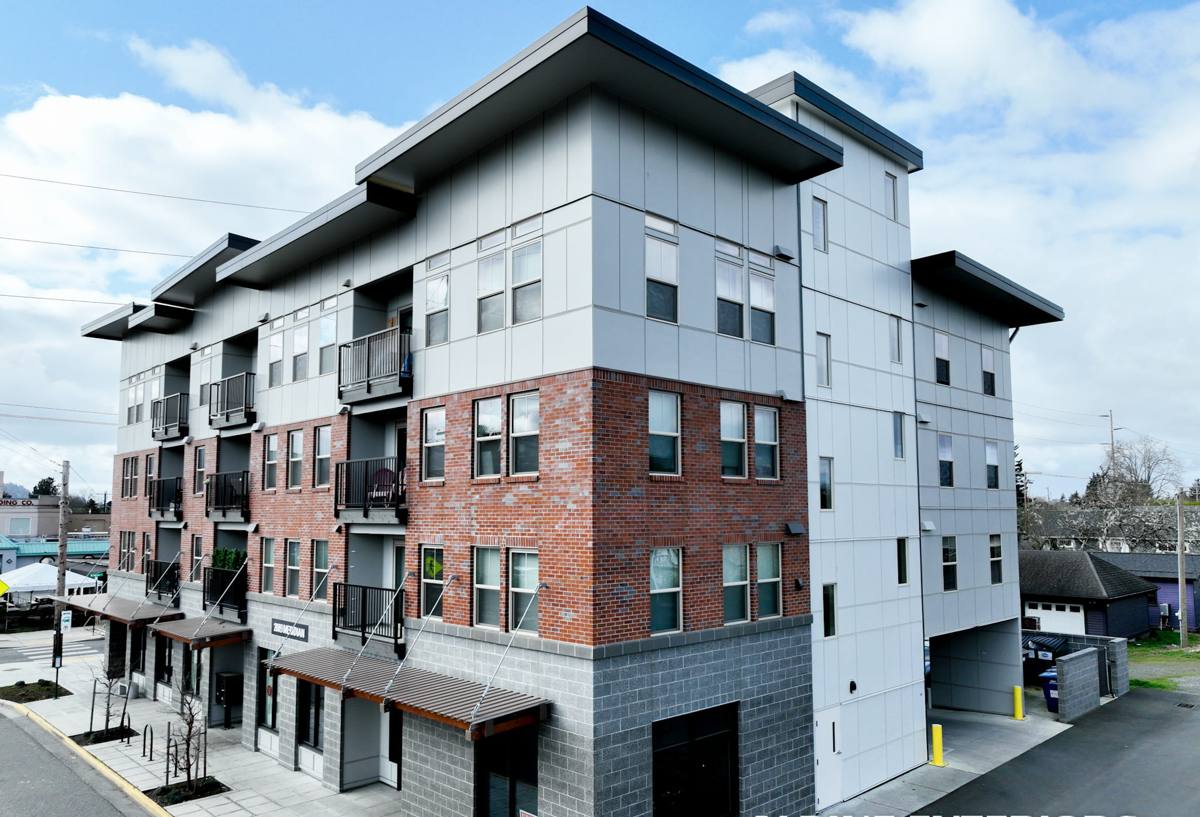
The Climate Factor Custom Windows Can't Ignore
Chuckanut's coastal exposure means every window installed here has to hold up to salt air moving in off the water and storms that drive rain sideways into walls rather than straight down, forcing water into any gap a rushed installation leaves behind. In Larrabee specifically, the tree canopy that gives these lots their character adds a third factor: shade. Walls and window sills under heavy cover stay damp far longer after a storm than they would on an open, sun-exposed lot, and that combination — persistent moisture plus reduced drying time — is exactly what feeds a moss season that can run most of the year on north-facing and heavily shaded elevations.
Custom units raise the stakes on all three. A larger fixed-light window built to bring filtered light into a shaded room has more perimeter to flash correctly. A divided-lite unit matched to an older home's original look has more joints and more painted or clad surface area for moisture to work against over time. And a below-grade or daylight basement opening on a sloped lot sits closer to grade and splash-back than a typical window, which means its flashing and drainage details matter even more than usual.
Where the Risk Actually Lives
It's rarely the glass itself that fails first on a custom window in this environment. It's the sill — especially on a shaded, north-facing wall where standing moisture doesn't get a chance to dry between storms — and the transition points where a wide or oddly shaped opening meets the surrounding wall assembly. Moss and organic growth in the tracks and weep channels of an operable window is also common on heavily shaded Larrabee lots, and if it's not cleared, it holds moisture against the frame and sill long after the surrounding wall has dried out.
Window Styles We Build For
Custom doesn't mean one thing — the right approach depends on what the house and the opening actually call for.
- True divided-lite and multi-pane windows — matching the original character of an older Larrabee cottage or cabin while upgrading to modern glazing and weatherstripping
- Non-standard replacement sizes — fitting an opening in a home built before manufacturers standardized window dimensions
- Daylight basement and egress windows — sized to code minimums for hillside walkouts and lower-level additions common on sloped lots
- Fixed and picture windows for filtered light — larger openings designed to pull in as much light as a wooded lot allows
- Matched sets for additions — new windows that need to sightline correctly with the original windows on the rest of the house
- Reframed openings — for cases where the existing rough opening has deteriorated too far for a direct replacement to make sense
What a Correct Custom Window Job Involves
Measuring and Ordering
Custom work starts with precise field measurement, not a catalog lookup or old set of plans. We measure the actual opening, note any out-of-square or out-of-level conditions common in older Larrabee homes, and account for the clearance the finished trim and flashing will need. Because custom units are built to order, this is also where we set honest expectations on lead time — custom windows take longer to arrive than stock sizes, and we'll tell you that upfront.
Opening Prep and Moisture Check
Before any new unit goes in, we check the existing opening for the kind of hidden moisture damage that's common on shaded Larrabee walls — softened sheathing, a sill that's stayed damp longer than it should, old flashing that's no longer doing its job. Finding and correcting that now is far cheaper than discovering it after a new window has been sealed over it.
Flashing and Weatherproofing
This is the step that matters most in this climate. Every custom shape changes how flashing has to be sequenced — a wide sill needs to shed water outward instead of letting it pool, a below-grade egress opening needs its own drainage plan separate from the wall flashing above it, and a divided-lite unit's additional joints all need to be sealed to the same standard as the main frame. We build the flashing plan around the specific opening in front of us, not a generic template.
Finish and Trim Integration
On an older character home, trim profile matters as much as the window itself — a modern flat trim board on a cottage with original detailed casing looks obviously wrong. We match trim and finish to the rest of the exterior so the new window looks like it belongs, not like it was dropped in afterward.
A Quick Checklist Before You Order
- Confirm the opening has been field-measured, not estimated from old plans or a rough guess
- Ask how the installer plans to check for hidden moisture or rot before the new unit goes in
- Get a straight answer on the flashing plan for your specific opening, especially anything below grade
- Get a realistic lead time in writing before you commit to a schedule
- If matching an original divided-lite look, confirm the grille pattern and glass options before ordering
- Confirm what's covered under warranty — the window unit and the installation labor are often separate
Our Process, Start to Finish
- On-site assessment — we measure the opening, check square and level, and evaluate moisture or flashing concerns specific to the site and its shade exposure
- Honest recommendation — custom order, modified stock size, or opening reframe, explained with the reasoning behind it
- Ordering and lead time — a realistic timeline for the custom unit to arrive, since this isn't a same-week job
- Removal and opening prep — the old unit comes out carefully, and any hidden rot or flashing failure is addressed before the new window goes in
- Installation and flashing — the new unit is set, shimmed, and flashed to a sequence built for its specific shape and exposure
- Trim and finish — exterior trim is matched to the surrounding siding and architecture
Costs and Trade-Offs: Custom vs. Stock
| Factor | Stock Window | Custom Window |
|---|---|---|
| Lead time | Often available quickly in common sizes | Built to order — expect weeks, depending on complexity |
| Fit | Standard sizes only — reframing needed if the opening doesn't match | Matched to the exact opening or original character |
| Grille and lite pattern | Limited to standard configurations | Can match an older home's original divided-lite look |
| Flashing complexity | Straightforward, well-documented rectangular details | Shape- and site-specific, especially below-grade or shaded openings |
| Cost | Lower, especially for common sizes | Higher, reflecting manufacturing and installation complexity |
| Best fit | Simple replacements in standard, code-conforming openings | Older homes, hillside additions, or character-driven designs |
What Drives Cost
We won't quote a number without seeing the opening in person, but the factors that move price on custom work in Larrabee are consistent from project to project.
| Factor | Why It Matters |
|---|---|
| Size and glass area | Larger units cost more to manufacture, ship, and install |
| Grille pattern complexity | True divided-lite and custom muntin patterns add manufacturing time and cost over a plain sash |
| Site access | Steep driveways and heavily wooded lots can add staging and setup time compared to a flat, open lot |
| Opening condition | Rot, old flashing failures, or out-of-square framing add repair work before the new unit goes in |
| Below-grade drainage | Daylight basement and egress openings near grade need added waterproofing detail |
| Number of units | A matched set for an addition typically has better per-unit economics than a single window |
Frame Materials for This Climate
Frame material matters as much as design on a shaded, moisture-prone lot. We'll walk through the honest trade-offs for your specific opening rather than defaulting to whatever's easiest to install. Vinyl and fiberglass frames generally hold up to sustained shade and moisture with less ongoing maintenance than an all-wood exterior, since they don't give moss and mildew an organic surface to take hold on the way bare or aging painted wood can. A wood-look interior with a low-maintenance exterior cladding can still be the right call on a character home where the interior appearance matters and the exterior is properly protected — that trade-off is worth discussing before you order, not after.
Keeping Custom Windows Performing Through Moss Season
A correctly installed window still needs a little seasonal attention on a shaded Larrabee lot, particularly through the wetter months when moss and mildew growth peaks.
- Clear debris and moss from window tracks and weep holes so water can drain instead of pooling
- Check caulk at joints and trim annually, since a cracked bead gives wind-driven rain a direct path inward
- Look at sills on north-facing and heavily shaded elevations for early signs of softening or discoloration
- Keep nearby branches and vegetation trimmed back to let more light and airflow reach the wall
- Flag any interior condensation on glass or frames early — it's often the first sign a seal or insulation gap needs attention
Why Local Experience Matters for This Kind of Work
Manufacturer installation guides are written for average, open-lot conditions in a moderate climate. Larrabee rarely matches that description — the shade, the slope, and Whatcom County's salt air and driving rain all stack the deck against a shortcut installation more than they would somewhere drier and more open. A crew that has actually matched divided-lite windows on older Chuckanut cottages, flashed below-grade egress openings on hillside lots, and dealt with moss-fed moisture at shaded sills knows which details in the manufacturer's guidance are non-negotiable here, and where extra time on flashing or drainage is worth it even when it isn't strictly required elsewhere. That experience shows up in decisions that never make it into a sales conversation — how much slope a sill needs to actually shed water under a tree canopy, when a below-grade opening needs additional drainage beyond the standard flashing kit, how to detail a custom grille pattern so it still meets today's energy code. Those are the details that decide whether a custom window is still performing cleanly after a decade of Chuckanut winters, or showing rot and drafts within a few years.
Ready When You Are
If you're matching windows to an older Larrabee home's original character, finishing out a daylight basement, or replacing units that have been fighting shade and moisture for years, it's worth having someone look at the specific opening before you start pricing units. We offer free, no-pressure estimates for custom window projects in Larrabee and throughout Chuckanut — use the form below to get a time on the schedule.