 Chuckanut Exterior
 Roof Repair Built for Fairhaven's Waterfront Conditions
Fairhaven sits close enough to the water that its roofs live a different life than roofs a few miles inland. Salt-laden air off the bay, driving rain that comes in sideways during winter storms, and a moss season that can stretch for most of the year all add up to faster wear on shingles, flashing, and fasteners. A roof repair here isn't just patching a leak — it's understanding why that leak happened in this specific environment and fixing the actual cause, not just the symptom.
We work on homes throughout Chuckanut and the surrounding Whatcom County area, and Fairhaven's roofs consistently show the same patterns: corrosion at metal flashing points, moss-driven granule loss on shingles, and water intrusion at valleys and penetrations that were never properly sealed for this climate to begin with. A correct repair addresses all three, not just whichever one is visibly dripping into the attic.
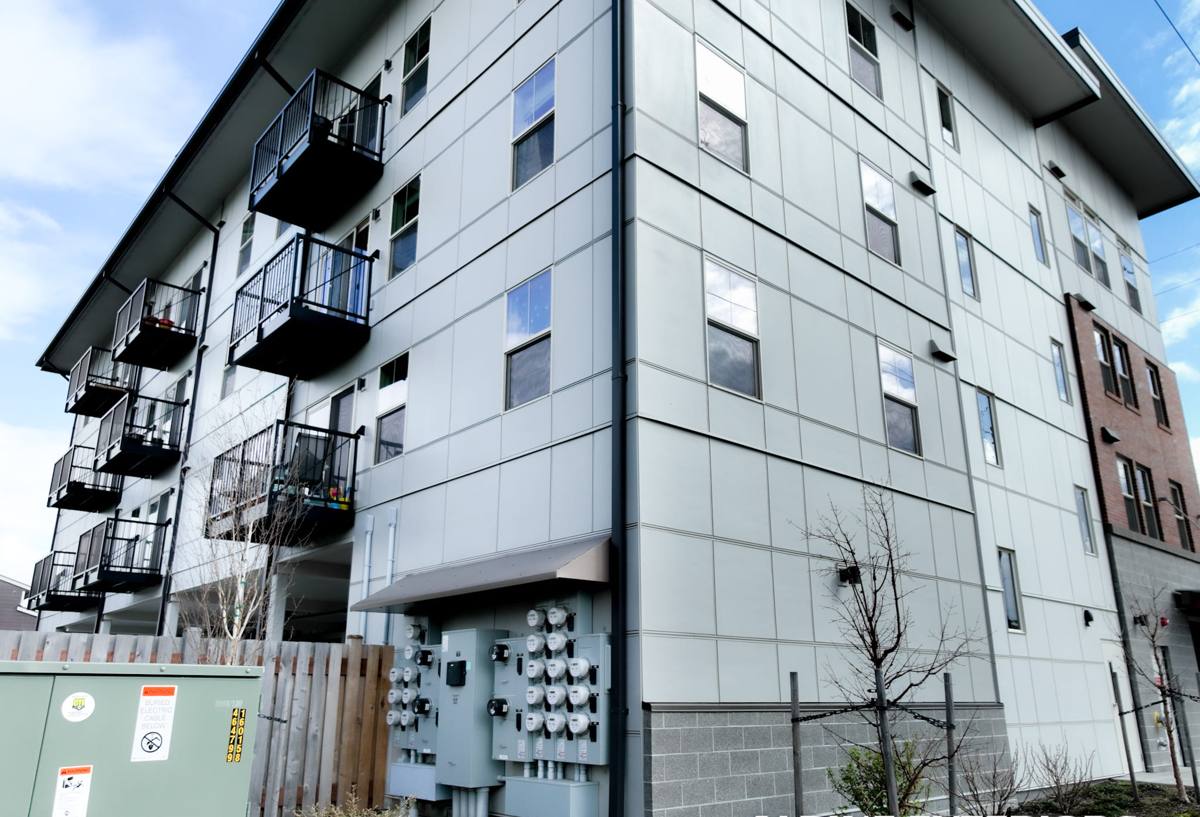
What Fairhaven Roofs Are Up Against
Salt Air and Metal Fatigue
Homes near the water deal with airborne salt that settles on roofing metal — flashing, drip edge, nail heads, and any exposed fasteners. Over time this accelerates corrosion, especially where two dissimilar metals meet or where a fastener's protective coating has worn through. A rusted nail head or a corroded flashing seam is rarely the whole story; it's usually a sign that the metal in that area needs to be evaluated more broadly, not just spot-treated.
Driving Rain and Wind-Driven Water
Rain that falls straight down is relatively easy for a roof to shed. Rain that's being pushed sideways by wind off the bay behaves differently — it can work its way under shingle tabs, around vent boots, and into valleys that would otherwise stay dry. This is why so many Fairhaven roof leaks show up during winter storms specifically, even on roofs that seem fine the rest of the year. The repair has to account for wind-driven water, not just gravity.
Moss Season and Roof Longevity
Chuckanut's damp, shaded, mild winters are close to ideal growing conditions for moss, and Fairhaven's tree cover and marine humidity make it worse. Moss doesn't just look bad — it holds moisture directly against the roofing material, lifts shingle edges as it grows, and works its way under flashing over time. A roof with heavy moss buildup is almost always losing granules and shedding water less effectively than it should, even before any visible leak appears.
Signs Your Fairhaven Roof Needs Repair
Most roof problems give warning signs well before there's a leak inside the house. Homeowners who catch these early save money, because a small repair now is almost always cheaper than the water damage a delayed one causes later.
- Moss or dark streaking concentrated in shaded or north-facing sections of the roof
- Granules collecting in gutters or at the base of downspouts
- Shingle edges that look curled, lifted, or cupped, especially after a windy storm
- Rust staining below metal flashing, vents, or chimney counterflashing
- Soft or discolored ceiling patches, especially near valleys or exterior walls
- Daylight visible through the roof deck from inside the attic
- Missing or displaced shingles after a wind event
- Sealant around penetrations (vents, skylights, chimneys) that's cracked or shrunk away from the surface
What a Correct Roof Repair Actually Involves
Diagnosing the Real Problem, Not Just the Symptom
A leak that shows up on a ceiling is almost never directly below the point where water is actually entering the roof — water travels along the underlayment or framing before it finds a way through. A correct repair starts on the roof itself, tracing the path back to the actual entry point, whether that's a cracked pipe boot, a failed valley, lifted shingles from moss, or corroded flashing. Patching drywall without finding and fixing the source just hides the problem until it resurfaces.
Matching Materials and Flashing Details
Repairs need to use compatible materials and proper technique, not just "close enough" shingles laid over the damaged area. That means correct flashing at valleys, step flashing that's actually tucked under the siding or counterflashing rather than caulked over the top, and fasteners rated for coastal exposure. Caulk and roofing cement have their place, but they're not a substitute for proper flashing — used as the primary fix, they fail faster in this climate than almost anywhere else, because they're constantly wet, salted, and moving with temperature swings.
Common Roof Repair Types We Handle in Fairhaven
| Repair Type | Typical Cause Locally | What the Fix Involves |
|---|---|---|
| Flashing repair or replacement | Salt-driven corrosion, poor original installation | Remove and replace corroded metal, re-integrate with underlayment and shingles |
| Valley repair | Wind-driven rain, debris buildup, moss | Clear debris, replace underlayment, reset valley metal or shingles correctly |
| Moss-damaged shingle sections | Long moss season, shaded roof areas | Remove moss safely, replace granule-stripped or lifted shingles, treat surface |
| Vent and pipe boot replacement | UV and weather-cracked rubber boots | Swap boot, reseal properly, check surrounding shingles for damage |
| Wind-lifted or missing shingles | Winter storm exposure off the bay | Replace shingles, re-secure adjacent tabs, check deck for water entry |
Cost for any of these varies a lot based on roof pitch, access, how much of the underlying deck needs attention once we open things up, and material availability for older roofs. As a rough guide, a single flashing or vent boot repair is often a few hundred dollars, while a valley rebuild or a section of moss-damaged shingles can run into the low thousands. We give a firm number after we've actually looked at the roof, not before.
Our Process for Fairhaven Roof Repairs
- On-site inspection of the roof surface, flashing points, valleys, and attic (where accessible) to trace the leak or damage back to its actual source
- Clear explanation of what we found, what's causing it, and what a correct fix requires — in plain terms, before any work starts
- A written estimate that separates the repair itself from any related items we noticed (moss treatment, gutter issues, ventilation) so you can decide what to address now versus later
- The repair itself, using flashing and materials suited to salt air and wind-driven rain, not just the cheapest match
- A final check of surrounding areas — adjacent shingles, nearby flashing, gutter flow — to confirm the fix holds up under real weather, not just on a dry day
Repair vs. Replacement: Making the Right Call
Not every roof problem needs a full replacement, and not every roof problem should be patched forever, either. The honest answer depends on the roof's age, how widespread the damage is, and whether the underlying deck is still sound. A roof with one bad valley and otherwise healthy shingles is a repair. A roof with moss damage in multiple sections, granule loss across most of the surface, and a deck that's showing soft spots when you walk it is usually past the point where repair makes financial sense.
We'll tell you straight if a repair is a reasonable near-term fix or if it's a temporary patch on a roof that's nearing the end of its service life. Given how hard Fairhaven's combination of salt air, storms, and moss is on a roof, that honest assessment matters more here than in a drier, more sheltered part of the county.
Why Local Experience in Fairhaven Matters
A repair crew that mostly works inland doesn't necessarily know how differently coastal exposure ages a roof. Fasteners, flashing metals, and even the pace of moss growth all behave differently near the water than they do a few miles east. Working roofs in Chuckanut and the surrounding Whatcom County coastline regularly means we're not guessing about how a given fix will hold up against the next winter storm off the bay — we've seen what lasts here and what doesn't.
That local pattern recognition shows up in small decisions that matter: which fastener coating to use, how much extra flashing overlap to build in against wind-driven rain, and when a moss-covered section needs more than a surface treatment. Those are the details that separate a repair that lasts through several wet seasons from one that reopens the following winter.
Maintenance That Extends the Life of Your Repair
A good repair is only half the equation — how the roof is maintained afterward determines how long it lasts. In a moss-prone, salt-air environment like Fairhaven, that maintenance matters more than it would in a milder climate.
- Keep gutters and valleys clear of debris so water has a clear path off the roof
- Remove moss buildup before it lifts shingles or holds moisture against the surface long-term
- Check flashing and pipe boots periodically for early corrosion or cracking, especially after big storms
- Trim back overhanging branches that keep sections of the roof shaded and damp
- Have the roof looked at after any major windstorm, even if nothing looks obviously wrong from the ground
If you're dealing with a leak, missing shingles, or moss damage on a Fairhaven roof, we're happy to take a look and give you a straight assessment — no pressure, no upsell, just what we actually find and what it would take to fix it right. Fill out the form below for a free estimate.