 Chuckanut Exterior
 Fairhaven's Waterfront Climate Asks More of Your Siding
Fairhaven sits close enough to the water that homes here deal with a combination most inland Whatcom County neighborhoods don't: salt-laden air off Bellingham Bay, wind-driven rain that hits walls sideways instead of falling straight down, and a wet season that stretches long enough for moss and algae to get a real foothold on north- and west-facing walls. Any one of those factors is manageable. Together, over years, they expose the weak points in siding that wasn't built or installed for this environment.
Salt air accelerates corrosion on fasteners and trim metal. Driving rain finds gaps in flashing and caulk that would never be tested by a calm rain in a more sheltered spot. And moss doesn't just look bad — it holds moisture against the wall surface long after the rain stops, which is exactly the condition that rots wood-based products and stresses paint film. A siding system for a Fairhaven home needs to handle all three at once, season after season.
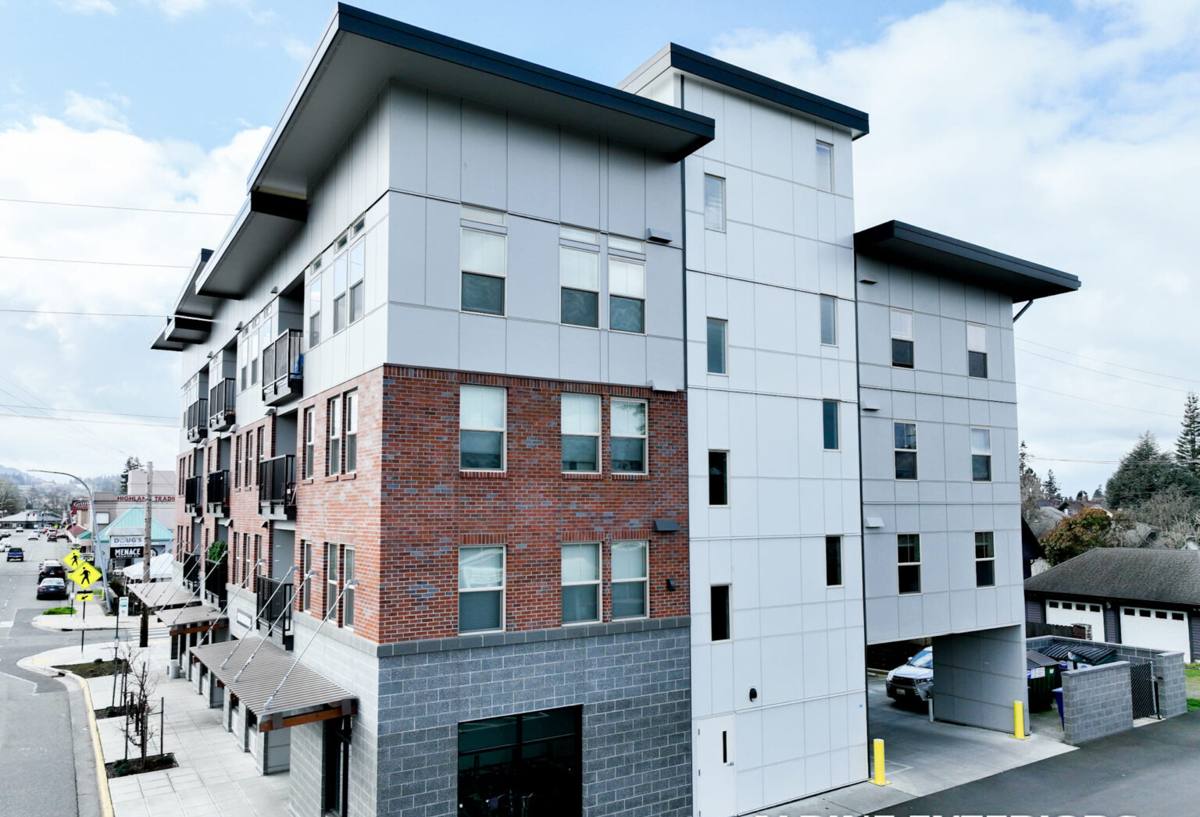
Why We Only Install James Hardie Fiber Cement
We install James Hardie fiber cement siding exclusively. We don't install vinyl, LP SmartSide, primed spruce, cedar, or other fiber cement brands like Cemplank or Allura. That's not a marketing position — it's a standard we hold because of what we've seen hold up on waterfront and near-waterfront properties in this county and what hasn't.
Fiber cement is non-combustible and dimensionally stable, meaning it doesn't expand and contract with moisture the way wood-based products do. James Hardie's ColorPlus factory finish is baked on under controlled conditions rather than field-applied, which matters in a climate where a painter only gets so many dry, low-humidity days to work with. And Hardie's HZ5 product line is specifically engineered for climate zones like ours, with formulation adjustments for high-moisture, freeze-cycle-prone regions of the Pacific Northwest.
What This Means for a Fairhaven Home Specifically
A home a few blocks from the bay is getting more direct salt exposure and more wind-driven rain than a home tucked further inland in Chuckanut. That doesn't change the product — HZ5 is HZ5 wherever it's installed in this region — but it raises the stakes on installation quality: flashing details, fastener choice, and joint treatment all matter more when the wall is taking a harder hit from the weather.
Local Advantage
Because we work regularly in this area, we know which walls on a typical Fairhaven property face the weather hardest — usually the water-facing side and any wall that sits in shade long enough to stay damp — and we plan the installation sequence and detailing around that, rather than treating every elevation the same.
What a Correct Fiber Cement Installation Involves
Fiber cement siding is only as good as the water management system underneath it. The board itself is durable, but nearly every siding failure we get called out to inspect traces back to what's behind the boards, not the boards themselves.
- A drainage plane (weather-resistant barrier) installed correctly, lapped shingle-style so water sheds outward and down, not behind the barrier
- Rainscreen or furring where conditions call for it, so any moisture that gets past the siding can drain and the wall can dry
- Correctly flashed windows, doors, and any wall penetrations — this is the single most common point of failure we find on older installations
- Hardie-specified fastener spacing and type, chosen for corrosion resistance given the salt air exposure
- Proper gaps and sealant at butt joints and trim, sized to Hardie's published installation specs rather than "tight is better"
- Bottom clearance from grade, decks, and roof lines so board edges aren't sitting in standing water or splash-back
Skipping or rushing any one of these doesn't show up as a problem in year one. It shows up in year five or six, usually as staining, soft spots at trim, or paint failure at the joints — right where a homeowner would least expect it, since the siding still looks fine everywhere else.
Our Process on a Fairhaven Project
1. Walk and Assess
We start by walking the exterior with you, looking at which elevations show the most weather wear, checking existing flashing and trim condition, and noting anything — a failed window seal, a rotted band board — that needs attention before new siding goes up. Covering a problem with new siding doesn't fix it.
2. Plan the Water Management System
Before a single board is ordered, we plan the drainage plane and rainscreen approach for your specific walls, factoring in sun exposure, prevailing wind and rain direction, and any shaded or damp areas prone to moss.
3. Remove and Prep
Old siding comes off, sheathing gets inspected for hidden damage, and any repairs happen before house wrap and flashing go on. This is the stage where problems that have been hidden for years get found and fixed properly.
4. Install to Spec
Hardie boards go up per manufacturer installation guidelines — correct fastener pattern, correct gaps, correct flashing integration at every window, door, and penetration.
5. Final Detail and Walkthrough
Trim, caulking, and touch-up happen last, followed by a walkthrough so you understand what was done and what the warranty covers going forward.
Signs Existing Siding Is Losing the Fight
If your home already has siding and you're not sure whether it's due for replacement, a few signs are worth checking for, especially on walls that face the water or stay shaded:
- Persistent moss or algae growth that returns within a season of cleaning
- Soft or spongy spots when you press on the siding, especially near the bottom edge or around trim
- Paint that's peeling or bubbling in patches rather than fading evenly
- Visible gaps, warping, or cupping at board joints
- Staining below window sills or at butt joints, which usually points to a flashing issue rather than a siding issue
Any of these can be isolated repairs rather than a full replacement, depending on the extent. We'll tell you honestly which situation you're in rather than defaulting to "replace everything."
Cost Factors for a Fairhaven Siding Project
Every home is different, but the following factors tend to move the price of a fiber cement siding project more than any others. We can give you a firm number after seeing the home in person.
| Factor | Why It Matters |
|---|---|
| Wall complexity (dormers, gables, cutouts) | More corners and transitions mean more cutting, flashing, and labor time |
| Existing wall condition | Rot or sheathing damage found during tear-off adds repair scope |
| Siding profile chosen | Lap width, shingle-style panels, and board-and-batten differ in material and install time |
| Water management upgrades | Adding a rainscreen system on exposed elevations adds labor but improves long-term durability |
| Height and access | Multi-story or steep-lot homes require more staging and equipment time |
| Trim and finish detail | Custom trim work around windows, corners, and fascia adds material and labor |
Living With Fiber Cement in a Moss-Prone Environment
One advantage of fiber cement over wood-based siding in a climate like this is that moss and algae growing on the surface aren't feeding on the material itself — they're just sitting on top of a ColorPlus finish that isn't a food source and isn't degraded by the growth the way bare wood or some coatings can be. That means routine cleaning (a soft wash, not pressure-washing directly into joints) keeps the surface looking right without the material underneath deteriorating. Keeping gutters clear and trimming back vegetation that shades a wall also goes a long way toward slowing regrowth on the sides of the house that stay damp longest.
Why Hiring a Crew That Already Works This Area Matters
Fairhaven's exposure to Bellingham Bay isn't the same as siding a home on the other side of Chuckanut, and it's different again from a sheltered lot further inland in Whatcom County. A crew that installs siding across a wide range of conditions without adjusting for a specific site's wind, rain direction, and moisture load is more likely to apply a generic approach — and generic approaches are exactly what fail first on a demanding wall.
Working in this area regularly means we already know where the moss tends to establish first, which elevations catch the worst of the driving rain, and how to sequence a tear-off around Whatcom County's wetter stretches of the year so sheathing doesn't sit exposed longer than it should. That local pattern recognition doesn't replace a careful, spec-correct installation — it informs it.
What to Look for When Choosing a Siding Contractor
- Ask specifically what drainage plane and rainscreen approach they plan to use, not just what siding brand
- Ask how they handle flashing at windows and penetrations, and have them explain it in plain terms
- Confirm they're installing to the manufacturer's published specifications, not a shortcut version
- Ask what warranty coverage applies to both the product and the labor, and get it in writing
- Ask whether they've worked on homes in your specific area and what they watch for here
If you're weighing a siding replacement or repair for a home in Fairhaven, we're happy to walk the exterior with you, look at what's actually going on with your current siding, and give you a straightforward, no-pressure estimate. Use the form below to get started.