 Chuckanut Exterior
 Building a Deck That Actually Holds Up in Sehome
A deck in Sehome has to do more than look good on a dry afternoon. It has to shed water that comes in sideways off the water, resist the slow creep of moss that never really stops growing here, and hold its fasteners tight through a climate that's harder on metal and wood than most homeowners realize until something starts to fail. We build custom decks for this specific area, which means every material choice and structural detail gets picked with Chuckanut's weather in mind, not just a catalog spec sheet.
This page is about one thing: custom deck construction for homes in and around Sehome. Not a general overview of decks everywhere — what actually matters for a deck built here, in Whatcom County, near the Salish Sea, where the air carries salt and the rain doesn't let up for months at a time.
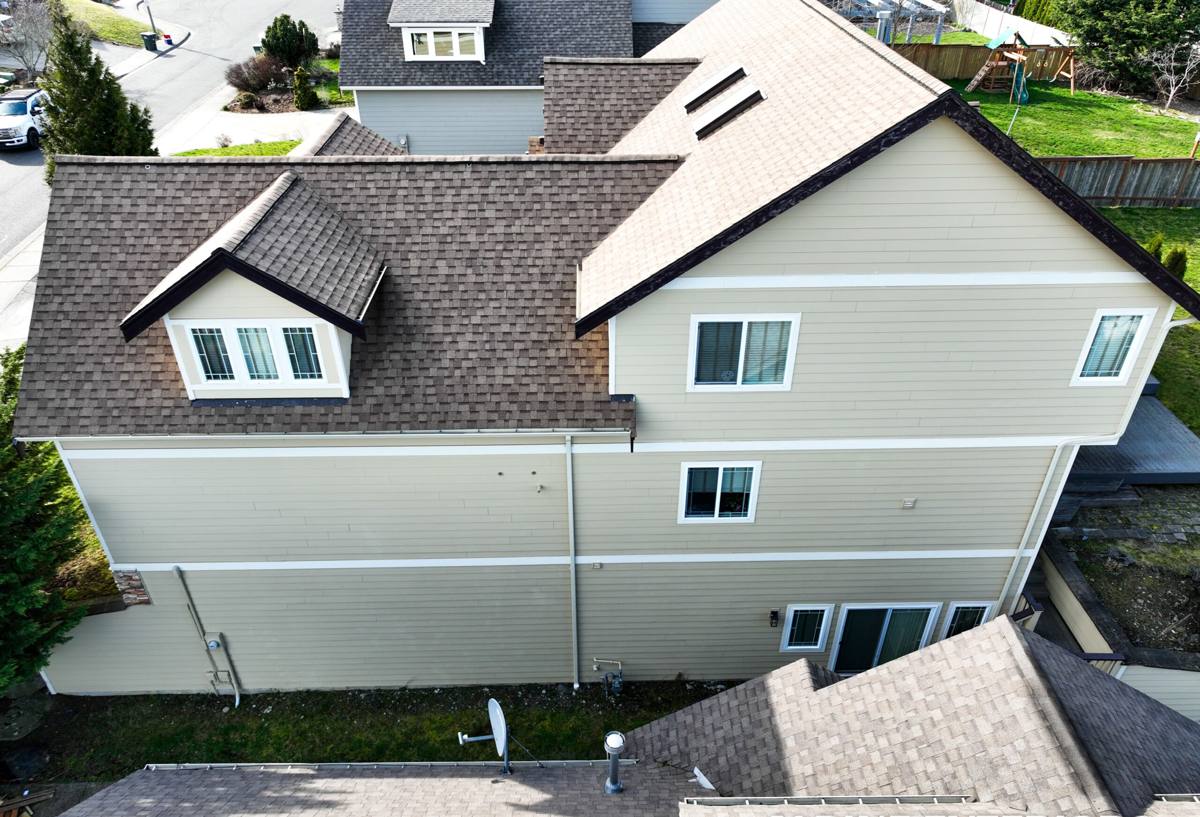
What Chuckanut's Climate Does to an Outdoor Deck
Before we talk about materials or design, it helps to understand what a deck in this area is actually up against year-round. This isn't abstract — it shows up as specific, predictable problems on decks that weren't built with this climate in mind.
Salt Air and Metal Fasteners
Proximity to the water means a steady low-level exposure to salt in the air, even for homes set back a few blocks from the shoreline. Salt air accelerates corrosion on any fastener, bracket, or connector that isn't rated for it. A deck built with standard interior-grade screws or unrated joist hangers will show rust streaks and weakened connections years before a deck built with coated or stainless hardware. This is one of the most common shortcuts we see on older or budget-built decks in this area, and it's almost always invisible until the fasteners start failing structurally.
Driving Rain and Water Management
Rain here doesn't just fall straight down — wind off the water pushes it sideways, which means water gets driven up under railings, behind ledger boards, and into any gap that a drier climate's construction standards wouldn't worry about. Flashing details that would be optional in a low-rain region are not optional here. Where a deck meets the house, where posts meet footings, and where boards meet each other all need to be built assuming water will find its way in and needs somewhere to go.
The Long Moss Season
Whatcom County's combination of shade, moisture, and mild temperatures means moss and algae have a long growing window on any deck surface that doesn't drain and dry quickly. Moss isn't just cosmetic — on wood decking it holds moisture against the board and accelerates rot; on any decking surface it makes footing slick and dangerous. Deck orientation, board spacing, and surrounding tree cover all affect how bad this gets, and it's something we plan for at the design stage rather than leaving homeowners to fight with a pressure washer every spring.
Choosing the Right Decking Material for This Climate
There's no single "best" decking material — there's a best material for this specific site, this specific home, and this specific budget. Here's how the common options actually perform under Chuckanut conditions.
| Material | How It Handles This Climate | Maintenance Burden | Typical Lifespan Here |
|---|---|---|---|
| Pressure-treated wood | Good if properly sealed and re-sealed; moss and mildew form faster in shaded, damp spots | Annual cleaning and periodic sealing | 15-20 years with upkeep |
| Cedar | Naturally rot-resistant, ages well with the region's look; still needs sealing to resist moisture and moss | Regular cleaning, periodic oil or sealant | 20-25 years with upkeep |
| Composite decking | Doesn't absorb water or rot, but can still grow surface moss/algae in shaded, damp spots and needs washing | Occasional washing, no sealing or staining | 25-30+ years, manufacturer-warrantied |
| PVC decking | Fully water-resistant, best resistance to moss staining and moisture damage of the common options | Lowest — periodic washing only | Long service life, manufacturer-warrantied |
We install all of the above, and we'll tell you honestly which one fits your project. A shaded, north-facing deck under tree cover is a poor candidate for a low-maintenance wood promise — no amount of sealant beats a damp, sun-starved location forever. A composite or PVC board earns its higher upfront cost back in years of not fighting moss and rot. Where wood is the right call — often for matching an existing structure or a homeowner's clear preference — we build in extra drainage and airflow to offset the climate rather than pretending the material alone will handle it.
The Structural Details That Matter Most
The parts of a deck nobody sees are the parts that determine whether it's still solid in fifteen years. These are the details we don't shortcut, regardless of which decking material sits on top.
- Ledger board flashing: where the deck attaches to the house, proper flashing and a water-resistant barrier keep driving rain from getting behind the siding — this is the single most common source of hidden rot on older decks in this area.
- Joist tape: a self-adhering membrane over every joist top keeps water from sitting in the wood under the decking boards, which matters far more here than in a dry climate.
- Corrosion-rated hardware: stainless steel or coated connectors, screws, and joist hangers rated for coastal exposure, not interior-grade fasteners.
- Footings below frost depth and set for drainage: footings that pond water around the post base invite rot from the ground up.
- Board spacing for drainage and airflow: gaps sized to let water through and air move underneath, which slows moss growth and speeds drying between rain events.
- Railing post attachment: a common failure point if not through-bolted and blocked correctly — this is a safety issue, not just a durability one.
Our Process, From Design to Final Walkthrough
We keep the process straightforward and communicate at each stage, since a deck is a significant investment and you should know what's happening and why.
- Site visit and consultation: we look at your home's layout, sun and shade patterns, drainage, and how you actually plan to use the space, then talk through material and design options honestly.
- Design and estimate: a clear plan and a written estimate before any work begins — no vague verbal quotes.
- Permitting: we handle the permit application and coordinate any required inspections so you don't have to navigate the county process yourself.
- Site prep and footings: excavation, footings set below frost depth, and structural layout confirmed before framing starts.
- Framing with climate-appropriate hardware: ledger flashing, joist tape, and corrosion-rated connectors installed as standard, not as an upsell.
- Decking, railing, and finish work: installed to the spacing and fastening standards that hold up under this area's rain and moss conditions.
- Final walkthrough: we go over the finished deck with you, including what maintenance it needs and when.
Permits and Local Requirements
Most custom decks in Whatcom County require a building permit, and setback requirements can vary depending on your lot and its distance from property lines or environmentally sensitive areas — this is especially relevant for homes near the water around Chuckanut. Rather than guessing at what applies to your property, we pull the permit and work through the specifics with the county on your behalf as part of the build, so the deck you get is one that's actually signed off and won't cause problems if you sell the home later.
Deck Maintenance Checklist for Sehome Homeowners
A well-built deck in this climate still needs some seasonal attention. Here's what we recommend to homeowners after every install, regardless of material:
- Sweep debris and standing leaves off the deck surface regularly, especially in fall — trapped organic matter is what feeds moss and mildew.
- Rinse or lightly wash the surface once or twice a year to remove early moss and algae growth before it takes hold.
- Check railing posts and stair connections annually for any looseness.
- For wood decking, plan on resealing every 1-3 years depending on sun exposure and how much direct rain the surface takes.
- Keep gutters and downspouts near the deck clear so runoff isn't dumping extra water onto or under the structure.
- Trim back overhanging branches where possible to cut down on shade and debris that keep the deck damp longer after rain.
Why Hire a Crew That Already Works in Sehome
A deck built to a generic national standard will often underperform here, not because the crew did bad work, but because they didn't build in the margin this climate demands. A contractor who already works in Sehome and the surrounding Chuckanut area knows which details are non-negotiable — corrosion-rated hardware, proper ledger flashing, drainage that accounts for driving rain — because we've seen what happens on decks where those details were skipped. That local experience shows up in fewer callbacks, fewer surprises, and a deck that's still solid well past the point where a cut-corner build would already be showing problems.
If you're planning a new deck or replacing one that's showing its age, we're happy to take a look and give you an honest read on what your home and site actually need. Reach out for a free, no-pressure estimate using the form below.