 Chuckanut Exterior
 Board & Batten Siding Built for Blanchard's Climate
Blanchard sits close enough to Chuckanut Bay and the water-facing bluffs that homes here take a different kind of weather beating than siding twenty miles inland. Salt-laden air works into every seam and fastener head. Driving rain off Puget Sound hits walls sideways, not straight down, which matters more than most homeowners realize when it comes to siding profiles with exposed vertical seams. And the shaded, damp stretches of the year — especially under tree cover along the Chuckanut foothills — grow moss and algae on anything that stays wet too long. Board and batten siding, with its bold vertical lines and deep shadow reveals, is a great look for this area. But it's also a profile that punishes sloppy installation faster than lap siding does, because every batten seam is a potential water path if it isn't detailed correctly.
This page is about doing board and batten siding correctly on a Blanchard home — not a generic rundown of the style, but what it actually takes to make it perform in this specific stretch of Whatcom County.
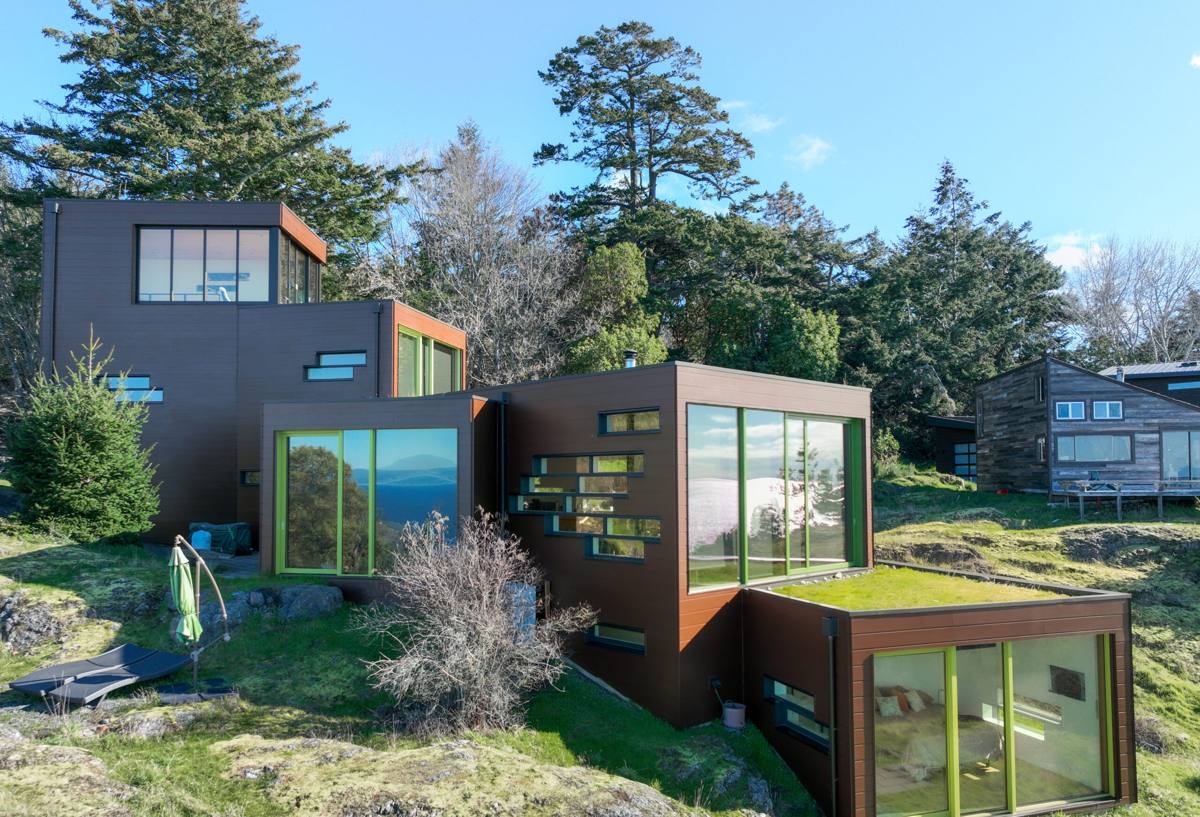
What Board and Batten Siding Actually Is
Board and batten is a vertical siding pattern: wide flat panels or boards installed side by side, with narrower strips (battens) covering the vertical seams between them. It's one of the oldest siding styles in American building, originally developed to cover gaps in vertical wood plank walls. Today it's popular for its clean, modern-farmhouse look, and it pairs well with the mixed architecture common around Chuckanut — craftsman homes, newer builds, and everything in between.
Why the Seams Matter More Than the Look
The visual appeal of board and batten comes from those vertical reveals and shadow lines. But every one of those seams is a joint, and every joint is a place water can find its way behind the cladding if it isn't flashed, gapped, and fastened correctly. On a lap-sided home, water sheds down and off. On a board and batten wall facing driving rain off the water, wind-driven moisture can push up and sideways into those seams if there isn't a drainage plane behind the siding doing the real work. This is the single biggest reason board and batten installations fail in coastal Whatcom County — not the material, the detailing.
Why We Install This Only in James Hardie Fiber Cement
We don't install board and batten in vinyl, LP SmartSide, cedar, or primed spruce. That's a standard we hold across every job, not just this one. For a vertical profile that depends on dimensional stability to keep those seams tight over time, fiber cement is the material that holds up:
- Cedar board and batten looks excellent on day one, but real wood moves with humidity — swelling, shrinking, and cupping — which opens up the batten seams over a few seasons of Chuckanut's wet winters and drier summers. It also needs ongoing refinishing to keep water out of end grain.
- Vinyl board and batten is dimensionally stable but relies on overlapping panel systems that can rattle, gap, or bow, and it doesn't hold paint if a homeowner ever wants to change the color.
- LP SmartSide is an engineered wood product — better than raw cedar in some ways, but it's still wood-based, meaning cut edges and seams need diligent sealing to keep moisture out, which is a maintenance burden we don't think is worth it in a salt-air, high-rainfall environment.
James Hardie fiber cement is cement, sand, and cellulose fiber — it doesn't rot, it doesn't feed moss the way wood fiber can, and it holds its dimensions in wet and dry cycles far better than wood-based products. For a profile where seam stability is the whole game, that matters.
What a Correct Board and Batten Install Involves
The Drainage Plane Behind the Siding
Correct installation starts before a single board goes up. A weather-resistant barrier goes over the sheathing, and on a home facing driving rain, we install a rainscreen gap — vertical furring strips that create a small air space between the back of the siding and the wall. That gap lets any moisture that does get past the cladding drain and dry out instead of sitting against the sheathing. On board and batten specifically, this is not optional in our approach — it's the difference between siding that lasts and siding that traps water behind those vertical seams.
Flashing at Every Penetration
Windows, doors, hose bibs, light fixtures, vents — every penetration through a board and batten wall needs proper flashing integrated with the water-resistant barrier, not just caulk. Caulk is a maintenance item, not a waterproofing strategy. It's the first thing that fails, and it fails quietly, behind the wall, long before a homeowner sees a stain appear.
Fastening and Board Layout
James Hardie's board and batten systems (often installed as vertical HardiePanel with battens, or engineered board profiles) have specific fastener spacing, edge distance, and gap requirements published by the manufacturer. Following that spec isn't just about compliance — it's what keeps the warranty valid and keeps the boards from cracking at fastener points during freeze-thaw cycles, which does happen on the colder nights we get around Chuckanut in winter.
Caulking and Sealant Choice
Where sealant is used — at trim boundaries and select transitions — the product matters. A high-quality, paintable, flexible sealant rated for exterior use holds up; a bargain caulk chalks and cracks within a couple of seasons, especially with the freeze-thaw swings and UV exposure this area sees.
Our Process on a Blanchard Job
- Site walk and assessment. We look at wall orientation relative to prevailing wind and rain, existing moisture damage, tree cover and shade (a factor in moss growth), and the condition of the sheathing underneath any existing siding.
- Tear-off and sheathing check. We don't cover over rot. If sheathing is compromised, that gets addressed before any new siding goes on — no shortcuts, no surprises later.
- Weather barrier and rainscreen installation. This is where the actual water management of the wall gets built, before anything visible goes up.
- Flashing at all penetrations and transitions. Done to manufacturer spec, not "close enough."
- Board and batten installation to Hardie's fastening and layout specifications. This keeps the manufacturer's transferable warranty intact.
- Final caulking, trim, and cleanup. Including a walk-through so the homeowner understands what was done and why.
Comparing Siding Options for a Blanchard Board and Batten Project
| Material | Dimensional Stability | Moss/Algae Resistance | Salt Air Durability | Maintenance Burden |
|---|---|---|---|---|
| James Hardie Fiber Cement | High — minimal swelling/shrinking | High — non-organic surface, factory finish | High — engineered for coastal/marine climates | Low — periodic wash, repaint on ColorPlus timeline is decades out |
| Cedar | Low — moves with moisture | Low — organic material feeds growth | Moderate — needs frequent refinishing near salt air | High — refinish/reseal every few years |
| Vinyl Board and Batten | Moderate — can warp in heat, brittle in cold | Moderate | Moderate — can fade and become brittle | Low, but not paintable if look changes |
| LP SmartSide | Moderate — better than raw wood, still wood-based | Moderate — needs sealed edges | Moderate | Moderate — edge sealing and repainting over time |
Living With Board and Batten Siding in a Moss-Prone Climate
Even the right material benefits from some homeowner attention. Blanchard's shaded lots and long damp season mean moss and algae can develop on any exterior surface that stays wet, siding included. James Hardie's factory ColorPlus finish resists staining and organic growth far better than raw wood, but no siding is entirely immune to buildup in deep shade. A simple annual rinse — garden hose pressure, not a harsh pressure washer aimed directly at seams — keeps board and batten siding looking sharp and keeps debris from accumulating in the reveals where battens meet boards.
What to Watch For
- Green or black streaking concentrated on north-facing or heavily shaded walls
- Any soft spots or discoloration near the base of battens, which can indicate moisture intrusion behind the siding
- Caulk lines that have cracked, pulled away, or gone brittle at trim and penetration points
- Gaps opening up between boards and battens that weren't there at installation
- Fastener heads showing through the finish, which can be an early sign of movement or incorrect fastening
Why a Crew That Already Works Blanchard Matters
Board and batten siding done wrong doesn't usually fail in year one — it fails in year four or five, quietly, behind the wall, after the crew that installed it is long gone. A crew that already works this stretch of Whatcom County knows how the wind and rain hit walls facing the water versus walls tucked back from it, knows which details actually need a rainscreen gap versus which don't, and shows up prepared for the moss and moisture realities of this specific area rather than treating every job like it's in a dry inland subdivision. That local pattern recognition is worth more than a lower bid from a crew unfamiliar with Chuckanut's particular mix of salt air, rain, and shade.
Get a Straight Answer on Your Board and Batten Project
If you're weighing board and batten siding for a Blanchard home, we're happy to walk the exterior with you, look at wall orientation and existing moisture history, and give you a straight, no-pressure estimate for a correctly detailed James Hardie installation. Use the form below to request a free estimate.