 Chuckanut Exterior
 Board & Batten Siding in Bellingham: Built for This Corner of Whatcom County
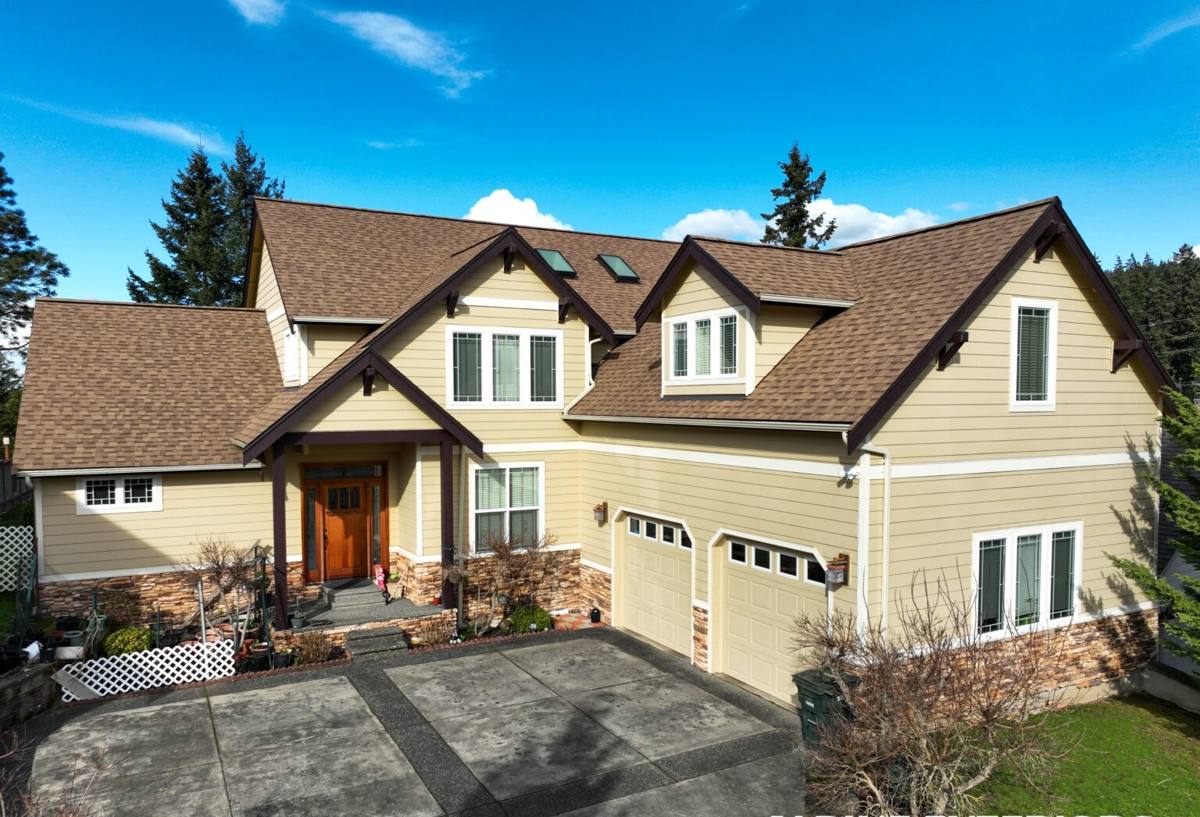
Board and batten has become one of the most requested siding profiles in Bellingham, and it's not hard to see why. The vertical lines suit the craftsman bungalows, farmhouse remodels, and newer coastal-modern builds that make up so much of the housing stock around Chuckanut and the rest of Whatcom County. It's a clean, confident look that reads as intentional rather than trendy, and it holds up visually on both a full front elevation and as an accent over an entryway or gable.
But board and batten is a profile, not a guarantee of performance. The way it's built and installed matters more here than in a lot of the country, because this stretch of coastline throws a specific combination of punishment at a home's exterior: salty air rolling off the water, sideways rain driven by wind off the Sound, and long stretches of the year where north-facing and shaded walls barely dry out at all. A board and batten job that looks right on installation day but wasn't detailed for that reality will show problems within a few winters — usually right at the battens.
Why the Profile Itself Is Higher-Risk If It's Done Wrong
Every vertical seam in a board and batten wall is a place water can find its way behind the cladding if the batten isn't fastened, flashed, and spaced correctly. Horizontal lap siding sheds water down and off by design. Board and batten relies on the installer getting the water management right at every batten, every window return, and every transition — there's no forgiving overlap doing the work for you. That's the trade-off homeowners should understand going in: it's a striking look, and it's less tolerant of shortcuts.
What Bellingham's Climate Actually Does to Exterior Siding
We don't need to exaggerate the conditions here — the real ones are demanding enough.
- Salt air: Proximity to Chuckanut Bay and the greater Salish Sea means airborne salt is a constant, low-level presence on exterior surfaces. Over years, it accelerates corrosion on unprotected fasteners and metal trim, and it degrades paint and finish faster than it would inland.
- Driving rain: Storms here don't just fall straight down — wind pushes rain sideways into wall assemblies, which is exactly the condition vertical seams are most vulnerable to if they aren't properly lapped, caulked, and flashed.
- Long moss season: Whatcom County's wet season stretches long, and shaded, north-facing, or tree-covered walls can stay damp for weeks at a time. That's the environment moss, algae, and mildew thrive in, and it's hard on any siding material that can't tolerate sustained moisture contact.
None of these conditions are unusual for the area — they're just the baseline every exterior product and every installation detail has to be judged against.
What a Correct Board & Batten Installation Involves
A board and batten wall that's going to hold up in this climate isn't complicated, but it does require getting a short list of details right, every time.
Behind the Cladding
A drainable gap (a rainscreen) between the siding and the water-resistive barrier lets any moisture that does get past the cladding drain and dry out instead of sitting against the sheathing. This matters more on a coastal, high-rainfall wall than almost anywhere else in the state.
At Every Seam and Batten
Battens need consistent, correct fastener spacing into structural framing — not just into the panel below. Cut panel edges have to be sealed before the batten goes over them, because a factory finish only protects the surface that was factory-finished. Skipping that step is one of the most common corners cut on board and batten jobs, and it's invisible until the siding starts failing from the inside out.
At Windows, Corners, and the Base
Flashing above windows and at wall-to-roof transitions has to be sequenced correctly so water is directed out and away, not trapped behind the cladding. The base of the wall needs a way to drain and ventilate, especially with the amount of driving rain this area sees during a normal winter.
Why We Only Install This in James Hardie Fiber Cement
Board and batten shows up in a lot of materials — vinyl, engineered wood, primed spruce, various fiber cement brands. We made the decision to install James Hardie exclusively, and for a vertical profile in this climate, that decision matters even more than it does with standard lap siding.
James Hardie's HZ10 product line is engineered specifically for the wetter, more humid climate zone that includes western Washington — it's formulated to resist moisture-related damage better than fiber cement built for drier regions. The ColorPlus factory finish is baked on rather than field-applied, which gives it stronger, more consistent resistance to fading and to the kind of finish breakdown that salt air accelerates on site-painted products. And because it's non-combustible fiber cement, it doesn't carry the moisture-swelling risk of wood-based sidings or the UV brittleness that shows up in vinyl over time.
We're not going to tell you every other product on the market is bad — plenty of them have a place. But for a vertical board and batten wall facing salt air, driving rain, and a long damp season, we don't think the trade-offs of the alternatives are worth it, and we'd rather turn down a job than install something we don't believe will hold up here.
Board & Batten vs. Traditional Lap Siding: How They Compare Locally
| Factor | Board & Batten (Hardie) | Traditional Lap Siding (Hardie) |
|---|---|---|
| Water management | Depends entirely on correct flashing/sealing at every seam | Overlap design sheds water more forgivingly |
| Best style fit | Craftsman, farmhouse, modern coastal, accent gables | Traditional, cottage, most classic Bellingham homes |
| Install sensitivity | Higher — fastener/seam detail is critical | Moderate — still requires correct lap and flashing |
| Typical use | Full elevations or accent features | Full-home cladding |
| Moss/algae resistance in shaded areas | Good, if rainscreen and drainage are correct | Good, standard drainage plane applies |
Neither profile is objectively "better" — they solve different design goals. The point of the table is that board and batten simply demands more precision at installation, which is exactly why the crew you hire for it matters more than the crew you'd hire for a standard lap job.
Our Process for a Bellingham Board & Batten Project
- On-site assessment: We look at wall orientation, shade patterns, existing moisture or moss issues, and how exposed the home is to wind-driven rain off the water.
- Moisture and sheathing check: Before any new siding goes up, we confirm what's underneath is dry and sound — installing new cladding over a hidden moisture problem just seals it in.
- Rainscreen and flashing plan: We plan drainage, flashing sequencing, and batten layout before the first panel is cut, not as an afterthought.
- Installation to manufacturer spec: Fastener spacing, sealed cut edges, and correct flashing at every window, corner, and transition.
- Final walkthrough: We go over the finished wall with you, including basic care specific to your home's exposure.
Living With Board & Batten Through a Long Moss Season
Correctly installed Hardie board and batten is low-maintenance, but "low" isn't "none." On walls that stay shaded for long stretches of the wet season, a periodic gentle rinse keeps moss and algae from taking hold, and it's worth checking caulking at seams and trim every couple of years — caulk is a maintenance item on any siding, not a one-time install detail. Homes closer to the water should also expect to see any exposed metal trim or fasteners age faster than they would further inland, which is part of why we pay attention to corrosion-resistant fasteners and trim details at installation.
What to Ask Before Hiring a Board & Batten Crew in Bellingham
- Do they install a rainscreen/drainage gap behind vertical siding, or nail directly to the barrier?
- Do they seal cut panel edges before installing battens over them?
- Can they explain their flashing sequence at windows and roof transitions in plain terms?
- Do they have experience with board and batten specifically, not just standard lap siding?
- Are they familiar with how local wind and rain exposure affects installation choices on your specific wall orientation?
If a contractor can't answer these clearly, that's worth knowing before they're on your roofline.
Why a Bellingham-Based Crew Matters for This Job
Board and batten installed correctly in a dry inland climate can still fail here if the crew doesn't understand what Chuckanut's rain and salt air will do to it over time. Working in this specific area day in and day out means we already know which walls take the worst of the driving rain, which orientations stay damp longest into moss season, and which installation details actually matter versus which ones are just extra steps. That local pattern recognition is hard to replace with a general specification sheet.
If you're considering board and batten siding for a home in Bellingham or the surrounding Chuckanut area, we're happy to take a look and walk you through what your specific home would need. Use the form below to request a free, no-pressure estimate.