 Chuckanut Exterior
 Bellingham's Roofs Work Harder Than Most
A roof in Bellingham isn't just shedding rain — it's living through a combination of conditions that don't all show up together in most parts of the country. You've got salt-laden air moving in off the Salish Sea, long stretches of driving rain that comes in sideways as often as it falls straight down, and shaded, damp conditions that keep moss and moisture active on the roof deck for most of the year. Individually, none of these are unusual. Together, over years, they wear down an asphalt shingle roof faster than a textbook installation in a dry climate would ever predict.
We work on roofs in and around Bellingham and the Chuckanut area regularly, which means we're not guessing at how these conditions interact with shingle roofing — we see the results every week, on ridge caps, valleys, flashing, and fastener lines. This page is about what that actually means for an asphalt shingle roof here, and what a correctly installed and maintained one looks like.
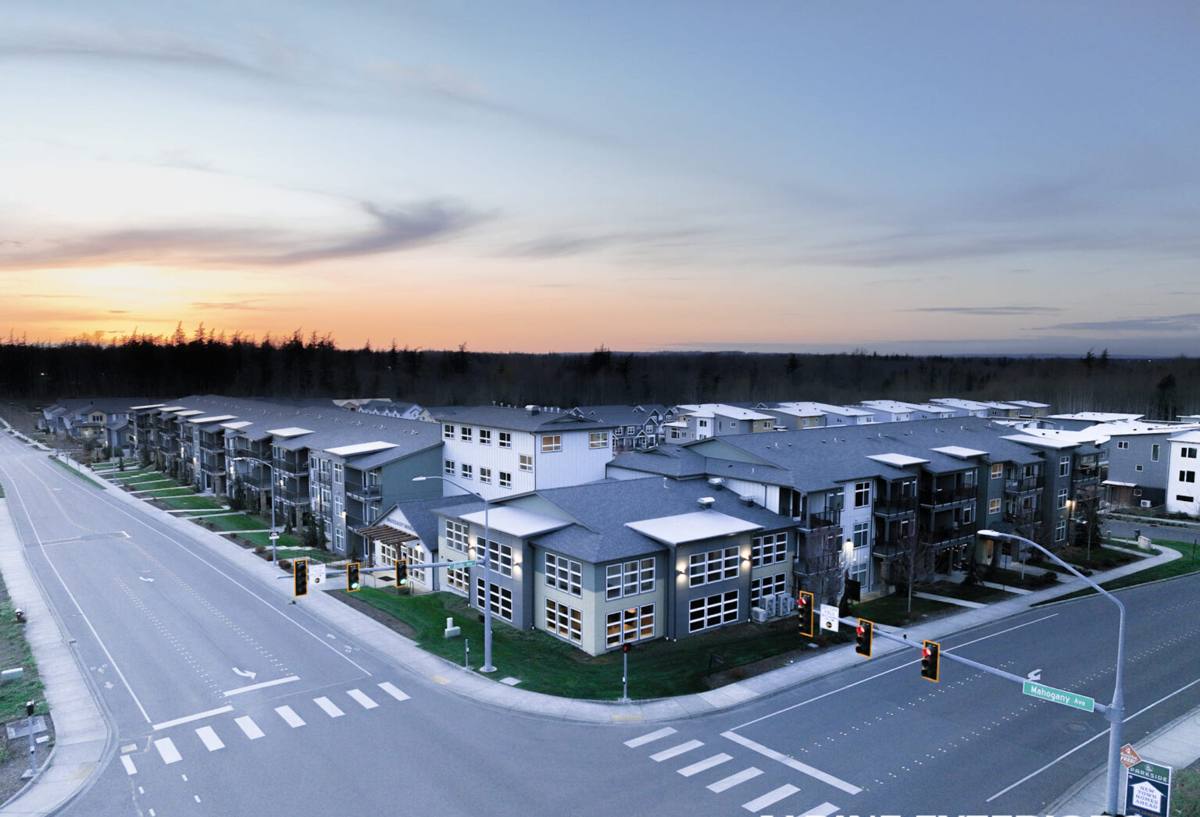
What the Local Climate Does to a Shingle Roof
Salt Air and Metal Components
Asphalt shingles themselves tolerate salt air reasonably well, but the metal that holds a roof system together — nails, flashing, valley metal, drip edge — doesn't get the same pass. Airborne salt accelerates corrosion on lower-grade or poorly coated fasteners and flashing, and once a fastener starts to corrode, its grip on the shingle weakens. That's a slow process you won't notice from the ground, which is exactly why the metal and fastener choices made during installation matter more here than they would fifty miles inland.
Driving Rain and Wind-Driven Water
Whatcom County storms don't always drop rain straight down. Wind-driven rain pushes water sideways and upward under shingle edges, into valleys, and around any penetration in the roof — vent pipes, chimneys, skylights. A shingle roof designed for calmer weather can get away with minimal underlayment and looser flashing details. A roof here can't. The difference between a roof that stays dry for twenty-plus years and one that develops slow leaks in year six almost always comes down to underlayment coverage and flashing work that most homeowners never see and most low-bid installers skip.
Moss, Shade, and Roof Deck Moisture
Bellingham's tree cover and marine humidity are good for a lot of things and bad for asphalt shingles left unchecked. Moss doesn't just look bad — its root structure holds moisture against the shingle surface and, over time, lifts shingle edges and granules. A roof with persistent moss growth is a roof that's staying wet longer than it should between rain events, which shortens its service life regardless of how good the shingle brand is.
What a Correct Installation Involves Here
"Correct" for a Bellingham roof isn't fundamentally different from correct anywhere else — it's the same fundamentals, applied without shortcuts, with a few details given extra attention because of what this climate does over time.
Underlayment
We use synthetic underlayment across the full roof deck and self-adhering ice-and-water membrane at the eaves, valleys, and any roof-to-wall transition — the places wind-driven rain is most likely to find a gap. This isn't optional upgrade territory in our book; it's baseline for the weather this area sees.
Flashing
Step flashing at walls, properly lapped valley metal, and correctly sized drip edge at eaves and rakes are where most roof leaks actually originate — not the shingle field itself. We replace flashing rather than reuse old pieces during a re-roof, because flashing that's already corroding from years of salt exposure isn't going to hold up for another twenty years just because it's tucked under new shingles.
Ventilation
Balanced intake and exhaust ventilation keeps the underside of the roof deck dry and temperature-stable. In a humid coastal climate, poor ventilation traps moisture in the attic space, which can lead to deck rot and shortened shingle life from underneath — a failure mode that has nothing to do with the shingles themselves and everything to do with what's happening below them.
Fasteners
We use corrosion-resistant roofing nails and flashing hardware rated for coastal exposure. It costs a little more up front than standard hardware. It's not a place we cut corners, because fastener failure is one of the more common causes of shingle blow-off in wind events, and replacing it later means tearing into a roof that shouldn't have needed it.
Choosing a Shingle for This Climate
Not every asphalt shingle product is a good fit for a shaded, damp, salt-air environment. Here's how the common options compare for a Bellingham-area home:
| Shingle Type | Moss/Algae Resistance | Wind Rating | Typical Lifespan Here |
|---|---|---|---|
| Standard 3-tab | Low unless treated | Lower | 15-20 years |
| Architectural (laminate) | Moderate, better with algae-resistant granules | Higher | 25-30 years |
| Algae-resistant architectural | Higher — copper/zinc granules resist moss and algae growth | Higher | 25-30+ years |
| Premium/designer laminate | Highest available in asphalt | Highest | 30+ years |
For most Bellingham homes we're steering toward algae-resistant architectural shingles at minimum. The upcharge over standard architectural shingles is modest, and given how much shade and moisture this area sees, it's one of the better dollar-for-dollar upgrades available on a re-roof.
Our Process
We keep the process straightforward and don't add steps just to pad a proposal:
- On-site inspection. We look at the shingle field, flashing, ventilation, and any visible deck issues, and check the attic side when accessible.
- Honest scope. We tell you whether you're looking at a repair, a partial re-roof, or a full replacement — and why. We don't upsell a full tear-off when a repair will genuinely hold.
- Written estimate. Materials, labor, flashing and underlayment specifics, and timeline, laid out clearly before any work starts.
- Tear-off and deck check. Old material comes off down to the deck so we can actually see what condition it's in — soft or rotted decking gets replaced, not covered over.
- Underlayment, flashing, and shingle installation per the details above.
- Final walkthrough. We go over the finished roof with you before we consider the job done.
Moss and Maintenance — What Actually Helps
A well-installed roof still needs some upkeep in this climate. Most of it is simple and doesn't require a professional every time:
- Keep overhanging branches trimmed back to reduce shade and debris buildup on the roof.
- Clear gutters and valleys of needles and leaf debris at least twice a year — clogged valleys are where wind-driven rain finds its way under shingles.
- Have visible moss addressed early with a proper roof-safe treatment rather than left to spread — don't pressure wash shingles, which strips granules and shortens shingle life.
- Watch for granule buildup in gutters and downspouts, which can signal shingles are wearing faster than they should.
- Have the roof looked at after any major wind event, even if nothing looks obviously wrong from the ground.
Signs You Need Repair vs. Full Replacement
Homeowners often wait too long to call because a roof "still looks fine" from the driveway. A few signs worth acting on sooner rather than later:
- Shingles that are curling, cracking, or missing granules in patches, especially on slopes that get the most rain and wind exposure.
- Dark streaking or heavy moss growth concentrated in shaded valleys or north-facing slopes.
- Soft spots or sagging visible from the attic, which usually points to deck moisture, not just shingle wear.
- Repeated small leaks around the same penetration or valley — a sign flashing has failed rather than the shingle field.
Isolated issues on an otherwise sound roof are usually a repair. Widespread granule loss, deck damage, or a roof approaching the end of its rated lifespan is where replacement starts making more financial sense than chasing repairs year after year.
Why Local Experience Matters for This Job
Asphalt shingle roofing isn't exotic work, but doing it well in Bellingham's climate means understanding how salt air, driving rain, and moss season actually behave here over years, not just what a manufacturer's install guide says in general terms. A crew that works this area regularly knows which details — underlayment coverage, flashing quality, fastener choice, ventilation balance — are worth insisting on, because we've seen what happens on roofs where they were skipped. We also know how conditions can vary block to block depending on tree cover and exposure to wind off the water, which affects how we scope a job.
We're a Whatcom County crew, not a traveling outfit passing through on a storm-chasing schedule. That matters for warranty follow-up, for maintenance advice that actually applies to your property, and for accountability if something needs a second look down the road.
Get a Straight Answer on Your Roof
If you're dealing with moss buildup, a roof that's getting up in years, or you just want an honest read on what condition your roof is actually in, we're glad to take a look. Fill out the form below for a free, no-pressure estimate — we'll tell you what we see, what it needs, and why, in plain terms.