 Chuckanut Exterior
 Fiber Cement Siding Built for Alger's Coastal Climate
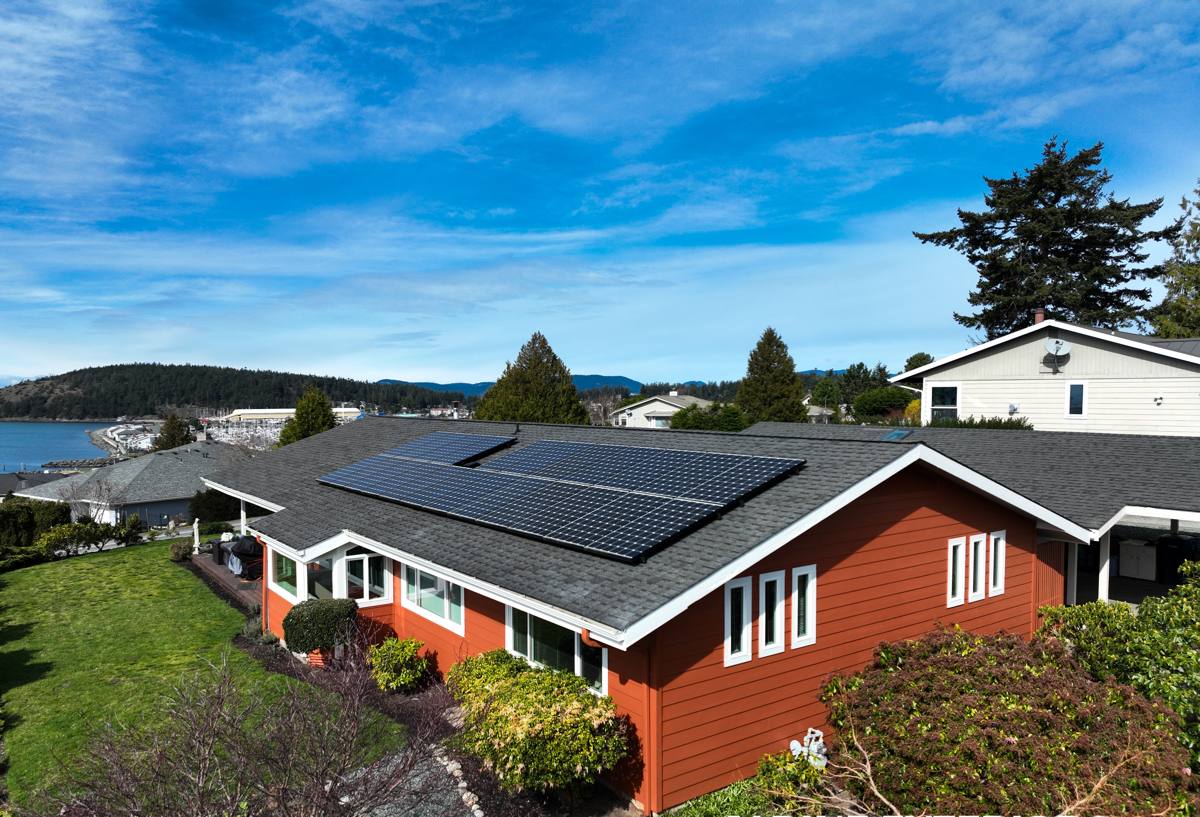
Alger sits close enough to Samish Bay and the Chuckanut hillside that homes here take a steady beating from three directions at once: salt-laden air drifting off the water, driving rain pushed sideways by wind off the bay, and a long, damp moss season that can run from October well into May. Siding that works fine in a drier inland climate often struggles here, and we see the results on a lot of the homes we're called out to inspect — cupped boards, soft trim, paint that's failed years ahead of schedule, and moss creeping up from the bottom courses. Fiber cement siding, specifically James Hardie's engineered products, is built to handle exactly this combination of moisture and salt exposure, which is why it's the only siding system we install.
This page focuses specifically on fiber cement siding installation for homes in and around Alger. We'll cover what the local climate actually demands from a siding system, what a correct installation looks like, how our process works from first look to final walk-through, and why hiring a crew that already works this stretch of Whatcom County matters more than it might seem.
What Alger's Climate Actually Does to Siding
Every siding material has a failure mode, and in this part of Whatcom County, the failure mode is almost always moisture-related. Understanding the specific mechanisms helps explain why some products hold up here and others don't.
Salt Air and Coastal Exposure
Homes closer to Samish Bay and the surrounding waterways are exposed to airborne salt that accelerates corrosion on fasteners, flashing, and metal trim, and that also degrades certain paint and coating systems faster than inland exposure would. Siding finishes need to be formulated to resist this, not just look good on day one.
Driving Rain
Wind off the bay doesn't just bring rain straight down — it pushes it sideways into wall assemblies, which puts real stress on laps, seams, and butt joints. Any gap in the water-resistive barrier, any short flashing detail, or any siding material that absorbs and holds moisture becomes a slow leak point over years, not weeks, which is part of why problems often aren't visible until real damage has already been done.
Moss and Prolonged Dampness
Western Washington's long wet season means siding stays damp for extended stretches, especially on north-facing walls and anywhere tree cover blocks sun and airflow. Materials that can absorb moisture are vulnerable to swelling, delamination, and rot; materials that stay damp on the surface are prone to moss and algae growth that traps even more moisture against the wall.
Why We Install Only James Hardie Fiber Cement
We standardized on James Hardie products for a simple reason: fiber cement is dimensionally stable, non-combustible, and doesn't absorb water the way wood-based or engineered-wood sidings can. Hardie's ColorPlus factory-applied finish is baked on and cured under controlled conditions, which gives it better long-term color retention and adhesion than field-applied paint, especially in a climate that doesn't give paint much of a chance to dry between rain events.
Hardie also engineers specific product lines for different climate zones — the HZ5 line used in this region is formulated for wetter, colder conditions, which matters more here than in drier parts of the state. We don't install vinyl siding, LP SmartSide, Cemplank, Allura, or untreated wood products like primed spruce or cedar. Each of those has legitimate uses elsewhere, but for the specific combination of salt air, wind-driven rain, and sustained dampness that Alger homes deal with, we've made a professional judgment that Hardie's fiber cement system is the more reliable long-term choice, and it's the only system we stand behind with our installation.
What a Correct Fiber Cement Installation Involves
Fiber cement siding is only as good as the installation behind it. A lot of the water problems we get called to fix on other contractors' work trace back to shortcuts in the details that don't show up until years later.
Water-Resistive Barrier and Flashing First
Before any siding goes up, the wall needs a properly lapped weather-resistive barrier, correctly integrated window and door flashing, and rainscreen or drainage gap material where conditions call for it. This is the layer that actually keeps water out — the siding is the second line of defense, not the only one.
Fastening and Clearances
Hardie has specific fastener spacing, penetration depth, and clearance requirements — including keeping the bottom edge of siding a set distance above grade, decks, and roof lines. Skipping these clearances is one of the most common causes of moisture wicking and premature rot at the base of a wall.
Joints, Caulking, and Trim
Butt joints, corners, and trim transitions need to be treated correctly, whether that's factory-mitered corners, proper joint flashing, or the right sealant used at the right spots (and not as a substitute for proper flashing). Overuse of caulk to "solve" a flashing problem is a shortcut that fails within a few years.
Cutting and Sealing Cut Edges
Every cut edge on a fiber cement board needs to be sealed per manufacturer spec. An unsealed cut edge is a point where the board can wick moisture, which undermines the material's moisture resistance right at the seams where it matters most.
Our Process for an Alger Siding Project
We run the same disciplined process on every home, adjusted for site conditions and exposure level.
- On-site assessment — we look at existing siding condition, wall assembly, moisture damage, moss patterns, and exposure to wind and salt air specific to the property's location.
- Scope and product selection — we determine the right Hardie panel or lap profile, HZ5 climate designation, and ColorPlus color, and identify any sheathing or trim repair needed underneath.
- Tear-off and inspection — removing old siding lets us actually see the sheathing and framing condition, which is often where hidden moisture damage is found.
- Barrier and flashing installation — water-resistive barrier, flashing, and drainage details are installed and inspected before any siding goes up.
- Siding installation — installed to Hardie's fastening, clearance, and joint specifications.
- Final inspection and walk-through — we review the completed work with the homeowner and confirm every detail meets spec.
Comparing Siding Options for Alger Conditions
| Material | Moisture Behavior | Salt Air Durability | Long-Term Finish |
|---|---|---|---|
| James Hardie Fiber Cement (HZ5) | Does not absorb water like wood-based products; dimensionally stable | Engineered for wetter, harsher climates | Factory-cured ColorPlus finish |
| Vinyl Siding | Doesn't absorb water but can warp and gap under seasonal temperature swings | Generally acceptable, but fasteners and trim are more exposed | Color molded in, but can fade and become brittle over time |
| Engineered Wood (LP SmartSide) | Wood-based core is more vulnerable to swelling if moisture reaches cut edges or seams | Requires diligent maintenance in coastal exposure | Field or factory finish, needs consistent upkeep |
| Cedar / Primed Spruce | Natural wood absorbs moisture readily; needs ongoing sealing and maintenance | High maintenance burden in salt air and sustained dampness | Requires regular refinishing to hold up |
Maintenance and Moss Prevention for Alger Homes
Even the right siding material benefits from a little ongoing attention in this climate. A few habits go a long way toward keeping a fiber cement exterior performing the way it's designed to:
- Keep gutters clear so overflow doesn't run down the wall face and stay wet longer than it should
- Trim back vegetation and tree limbs that shade walls and block airflow, since shaded, still air is where moss and algae take hold fastest
- Rinse siding periodically, especially on north-facing and shaded walls, to knock down early moss and algae growth before it establishes
- Watch for caulking or sealant that's cracked or pulling away at joints and trim, and have it addressed before water gets behind it
- Keep an eye on soil, mulch, or landscaping that's crept up over the recommended clearance at the base of the siding
Why Hiring a Crew That Already Works Alger Matters
A siding crew that regularly works the Chuckanut and Alger area already understands the exposure patterns specific to this stretch of Whatcom County — which walls take the worst of the wind-driven rain, how much additional attention salt air exposure warrants near the water, and how long moss season really runs here compared to drier parts of the state. That local knowledge shapes real decisions: where extra flashing attention matters most, which walls need closer moisture inspection during tear-off, and how to set expectations for maintenance based on a home's specific exposure. A crew unfamiliar with the area is more likely to apply a generic approach that doesn't account for the specific pressures a Samish Bay-adjacent home actually faces.
Cost Factors for Alger Siding Projects
Every home is different, but a few factors consistently drive cost on fiber cement siding projects in this area:
| Factor | Why It Matters |
|---|---|
| Existing siding removal and disposal | Tear-off complexity depends on layers, material, and condition of what's being removed |
| Sheathing or framing repair | Moisture damage found during tear-off needs to be addressed before new siding goes on |
| Home size and wall complexity | More corners, trim details, and stories increase labor time |
| Panel vs. lap profile and color | Product selection affects material cost and installation approach |
| Flashing and drainage upgrades | Bringing older wall assemblies up to current water-management standards adds scope but reduces future risk |
If you're weighing a siding replacement for a home in Alger, we're happy to walk the property, point out what we're seeing, and put together a clear, no-pressure estimate — no obligation, just a straight assessment of what your home actually needs.